Posted on
April 17, 2023 by
The VRG Blog Editor
April 1, 2023
The Vegetarian Resource Group (VRG) welcomes the opportunity to comment on the proposed revisions to Child Nutrition Programs. We appreciate USDA’s commitment to the health of children. Access to high-quality, nutritious meals in schools and childcare settings is very important since these meals often represent a significant portion of children’s food intake. The continued improvement of nutrition standards for Child Nutrition Programs can lead to a reduction in children’s risk for diet-related diseases. We also appreciate USDA’s acknowledgement of cultural food preferences.
VRG is an independent non-profit organization dedicated to educating the public on vegetarianism and the interrelated issues of health, nutrition, environment, ethics, and world hunger. Our health professionals, activists, and educators work with businesses and individuals to bring about healthy changes in schools, workplaces, and the community. Registered dietitians and physicians aid in the development of nutrition-related publications and answer questions about the vegetarian and vegan diet. For the past 29 years, we have commissioned polls exploring vegetarian-related issues, results of which are often used by researchers, the food industry, and the media. Financial support comes primarily from memberships, contributions, and book sales.
As the number of young vegans and other vegetarians in the United States increases (1,2), the inclusion of foods acceptable to vegans and other vegetarians in Child Nutrition Programs becomes even more important. Our most recent survey of 8 to 17-year olds in the U.S. found that 5% were vegetarian (including vegans) and never ate meat, fish, seafood, or poultry (1). The same survey found that 2% of this age group were vegan (never ate meat, fish, poultry, dairy, or eggs) (1). In addition, 21% of children and adolescents in the U.S. sometimes or always eat vegan meals when eating out; 53% sometimes or always eat vegetarian (including vegan) meals when eating out (1). Child Nutrition Programs should be able to meet the needs of vegan and vegetarian children and adolescents.
We believe that the proposed changes, with modifications as noted below, when implemented, will strengthen Child Nutrition Programs and increase their ability to meet the needs of participants.
Milk
The requirements of the current fluid milk substitutes process are burdensome to families and to students who do not want to or cannot drink dairy milk. We acknowledge that some of these are statutory requirements and that USDA cannot alter these requirements. We urge the USDA to consider creative solutions that would allow plant-based milks to be available to more children. These products allow vegans and others who avoid dairy products for reasons including milk allergy, lactose intolerance, and cultural preference to have access to acceptable products that provide nutritional benefits. Perhaps parents and guardians could be permitted to petition their children’s school district for greater access to plant-based milks. If a specified percentage of parents or guardians (say 5%) sign this petition, a plant-based milk that meets nutrient requirements would be offered as a choice to all children.
We question the need for a written request by a medical authority or the student’s parent or legal guardian for a fluid milk substitute. This additional step is unnecessary since plant-based milks used to replace dairy milk are required to be fortified with nutrients in amounts similar to dairy milk and are, for practical purposes, nutritionally similar. Requiring medical documentation adds an unnecessary expense and may potentially deter those who would benefit from access to non-dairy products from choosing this option. This could lead to their missing out on important nutrients.
In addition, not all parents or guardians are knowledgeable about nutrition. . Requiring a parent or guardian’s request for children avoiding dairy products could mean that some children would not have access to a nutritious alternative to dairy milk because the children would not consume the dairy product and would be unable to have access to the non-dairy alternative without their parent’s or guardian’s permission
We support the use of an added sugar limit for fluid milk substitutes. This would be consistent with the public health message to limit added sugars. Since flavored plant milks are available which contain little or no added sugar, we support the continued inclusion of both flavored and unflavored plant milk provided the proposed requirements for added sugars for dairy milk are met.
Nuts and seeds crediting
We support USDA’s proposal to allow nuts and seeds to credit for the full meat/meat alternate (or protein source) component in all child nutrition programs and meals. This change will make the requirements consistent among programs and will eliminate the inconsistent crediting of nuts and seeds compared to nut butters and seed butters. Allowing nuts and seeds to credit for the full protein source component in all child nutrition programs and meals will allow program operators to have greater flexibility in menu planning.
Hummus
Hummus is a versatile food that can be used in sandwiches, salads, and as a dip for vegetables and crackers. Thus, having hummus available can encourage consumption of fresh vegetables and whole grain products. Hummus is widely available in supermarkets today; this is evidence of its popularity. Hummus is an especially healthy and easy snack for busy youth. We support the proposal to add hummus to the list of foods exempt from the total fat standard in the competitive food, or Smart Snack, regulations. Allowing hummus to be included as a Smart Snack increases options for vegans, vegetarians, several ethnic groups, and a large section of the general population and adds greater flexibility to this program.
We were uncertain whether all of the ingredients listed in the definition for hummus [a spread made from ground pulses (beans, peas, and lentils), and ground nut/seed butter (such as tahini [ground sesame], peanut butter, etc.) mixed with a vegetable oil (such as olive oil, canola oil, soybean oil, etc.), seasoning (such as salt, citric acid, etc.), vegetables and juice for flavor (such as olives, roasted pepper, garlic, lemon juice, etc.)] were required. Hummus can be made without vegetable oil or vegetables and juice. We propose indicating that these are not required ingredients.
Beans and peas
There are many reasons to promote the consumption of cooked dry beans, peas, and lentils. They have a high nutrient content and are good sources of protein, fiber, iron, zinc, thiamin, folate, and other vitamins and minerals. Greater consumption of legumes is associated with a lower risk of heart disease (3), lower blood pressure (4), reduced LDL-cholesterol levels (5), and lower risk of type 2 diabetes (6). Promotion of dry beans, peas, and lentils in childhood may increase the likelihood that these foods will continue to be eaten in adulthood and thereby will reduce the risk of several chronic diet-related diseases.
In order to promote greater use of dry beans, peas, and lentils, we propose that the requirement that cooked dry beans, peas, and lentils may be counted as either a vegetable or as a protein source but not as both in the same meal be removed. This will allow for greater flexibility in menu planning and allow programs that want to offer dry beans, peas, and lentils daily as a protein source to do so without also having to have a dried bean vegetable dish once a week at those meals. We suggest that schools be encouraged to use more dry beans, peas, and lentils as a protein source, because of the nutritional benefits of this food group and because of its use in traditional dishes from cuisines ranging from Latin American, to African, Middle Eastern, and Asian.
Guidance documents have been issued that indicate that tofu and other soy products as well as dry beans, peas, and lentils cannot be served in forms that are not visually recognizable such as being incorporated into drinks, such as smoothies, or baked desserts (7,8). This is problematic because this guidance limits the use of these nutritious products. Requirements have been eased so that pasta made of vegetable flour(s) can be credited as a vegetable, even if the pasta is not served with another recognizable vegetable (9). It only seems logical that pureed tofu in a smoothie or sauce or baked good made with cooked dry beans should be able to be credited as protein sources. Signage could be used to indicate that products contain tofu/other soy products/dry beans, peas, or lentils.
Currently, protein-dense foods including seitan and quinoa are not included as allowed protein sources in Child Nutrition Programs. The addition of these products would allow for greater variety and flexibility in menu planning as well as introducing children to additional healthy alternatives to meat.
Infant meal pattern
We question the limited options for infants age 6-11 months in the Infant Lunch Meal Pattern (Table 8). The addition of tofu and soy products would be consistent with the inclusion of tofu and soy products in the protein sources component for older age groups, would provide more variety for vegan/vegetarian infants, and would increase flexibility in meal planning. In addition, infants would be introduced to these products which are approved for use by toddlers and older children, thus potentially improving acceptance.
Vegan options
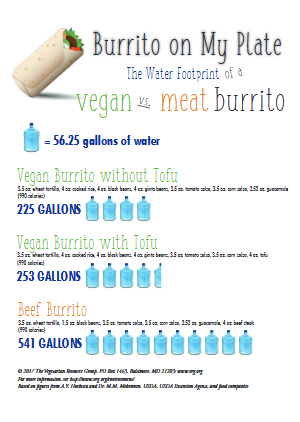
Vegan meals are becoming increasingly popular among children and adolescents. They are often less expensive to produce, offer significant health benefits, and are more environmentally sustainable than non-vegan meals (10-12). We encourage Child Nutrition Programs to increase the availability of vegan meals, to provide training that allows facilities to prepare more vegan meals, and to educate staff, families and children about the benefits of these meals.
Thank you for the opportunity to comment on the proposed changes.
References
- Stahler C, Mangels R. How many youth in the U.S are vegan? How many teens eat vegetarian when eating out? The Vegetarian Resource Group. https://www.vrg.org/nutshell/Yougov2021youthteenwriteup.pdf. 2021.
- Vegetarian Resource Group conducts Roper Poll on eating habits of youths. The Vegetarian Resource Group. https://www.vrg.org/journal/95nov.htm#kids. 1995.
- Bazzano LA, He J, Ogden LG, et al. Legume consumption and risk of coronary heart disease in US men and women: NHANES I Epidemiologic Follow-up Study. Arch Intern Med. 2001;161:2573-2578.
- Jayalath VH, de Souza RJ, Sievenpiper JL, et al. Effect of dietary pulses on blood pressure: a systematic review and meta-analysis of controlled feeding trials. Am J Hypertens. 2014;27:56-64.
- Mullins AP, Arjmandi BH. Health benefits of plant-based nutrition: Focus on beans in cardiometabolic diseases. Nutrients. 2021;13:519.
- Becerra-Tomás N, Díaz-López A, Rosique-Esteban N, et al. Legume consumption is inversely associated with type 2 diabetes incidence in adults: A prospective assessment from the PREDIMED study. Clin Nutr. 2018;37:906-913.
- SP53 CACFP21-2016. Policy memo. Crediting tofu and soy yogurt products in the School Meal Programs and the Child and Adult Care Food Program. USDA. https://www.fns.usda.gov/cn/crediting-tofu-and-soy-yogurt-products-school-meal-programs-and-cacfp. 2016.
- SP 05-2022. Meal Requirements Under the National School Lunch Center and School Breakfast Program: Questions and Answers for Program Operators Updated to Support the Transitional Standards
for Milk, Whole Grains, and Sodium Effective July 1, 2022. USDA. https://fns-prod.azureedge.us/sites/default/files/resource-files/SP05-2022os.pdf#page=5. 2022.
- SP26 CACFP13 SFSP12-2019. Crediting Pasta Products Made of Vegetable Flour in the Child Nutrition Programs. USDA. https://www.fns.usda.gov/cn/crediting-pasta-products-made-vegetable-flour-child-nutrition-programs. 2019.
- Jennings R, Henderson AD, Phelps A, Janda KM, van den Berg AE. Five U.S. dietary patterns and their relationship to land use, water use, and greenhouse gas emissions: Implications for future food security. Nutrients. 2023;15(1):215. Published 2023 Jan 1. doi:10.3390/nu15010215
- Springmann M, Wiebe K, Mason-D’Croz D, Sulser TB, Rayner M, Scarborough P. Health and nutritional aspects of sustainable diet strategies and their association with environmental impacts: a global modelling analysis with country-level detail. Lancet Planet Health. 2018;2(10):e451-e461. doi:10.1016/S2542-5196(18)30206-7
- Watts N, Amann M, Arnell N, et al. The 2020 report of The Lancet Countdown on health and climate change: responding to converging crises. Lancet. 2021;397(10269):129-170. doi:10.1016/S0140-6736(20)32290-X
 Support The Vegetarian Resource Group by subscribing to our magazine Vegan Journal! To subscribe in the USA, go to: https://www.vrg.org/member/2013sv.php