The Vegetarian Resource Group Blog

Kellogg’s Working on Non-dairy Insta-bowl Option

Posted on September 29, 2022 by The VRG Blog Editor

According to CNN, Kellogg’s is testing an Insta-bowl cereal where you add water to a dry cereal and milk mixture, so you don’t need to have cow’s milk available. According to Kellogg’s, they are working on a plant-based non-dairy option. For more information, see https://www.cnn.com/2022/09/08/business-food/kelloggs-new-cereal/index.html

The contents of this posting, our website and our other publications, Including Vegetarian Journal and Vegan Journal, are not intended to provide personal medical advice. Medical advice should be obtained from a qualified health professional. We often depend on product and ingredient information from company statements. It is impossible to be 100% sure about a statement, info can change, people have different views, and mistakes can be made. Please use your best judgment about whether a product is suitable for you. To be sure, do further research or confirmation on your own.

Physical Activity Guidelines for Americans

Posted on September 29, 2022 by The VRG Blog Editor

By Reed Mangels, PhD, RD

Did you ever wonder how much exercise you should get? The U.S. government has an answer for you. Similar to the Dietary Guidelines for Americans, the U.S. Department of Health and Human Services produces Physical Activity Guidelines for Americans. This useful publication was last updated in 2018 and offers specific recommendations for physical activity for those age 3 years and older.

Regular physical activity, in adults, is associated with a lower risk of heart disease, high blood pressure, type 2 diabetes, some cancers, depression, anxiety, and dementia. In children and teens, regular physical activity is associated with better bone and heart health and with a reduced risk of depression.

Some activity is better than little or none. The physical activity guidelines include a website that allows you to develop a plan for physical activity and that features tips on getting more active.

Here’s an example of recommendations for adults:

“For substantial health benefits, adults should do at least 150 minutes to 300 minutes a week of moderate-intensity or 75 minutes to 150 minutes a week of vigorous-intensity aerobic activity, or an equivalent combination of moderate- and vigorous-intensity aerobic activity.” Muscle strengthening activities should be done at least twice a week. Older adults should also do balance training (1).

Examples of moderate-intensity activity include any activity that increases your heart rate such as walking briskly or raking leaves. Vigorous-intensity activities include jogging or running, shoveling snow, or participating in a strenuous fitness class. Muscle strengthening activities include weight training, pull-ups, and push-ups.

This report is filled with useful ideas for increasing activity.

Reference

1. U.S. Department of Health and Human Services. Physical Activity Guidelines for Americans, 2nd edition. 2018. https://health.gov/sites/default/files/2019-09/Physical_Activity_Guidelines_2nd_edition.pdf

PANDA EXPRESS

Posted on September 28, 2022 by The VRG Blog Editor

Panda Express is featuring Beyond The Original Orange Chicken made from plants. They mention that it is “Prepared with the same cooking equipment as meat products.” Their website states: Panda Express does not have any vegetarian or gluten free dishes. Panda prepares its entrees fresh with shared cooking equipment and therefore allergens could be present in any entrée.

Here are ingredients for a few other items that may be of interest.

Chow Mein
Ingredients: cabbage, enriched wheat flour, water, onion, soybean oil, celery, contains less than 2% of: rice, wheat, caramel color, sesame oil, wheat gluten, canola oil, cottonseed oil, dextrose, sugar, malted barley flour, monoglycerides, DATEM, l-cysteine hydrochloride, ascorbic acid, enzyme, modified cornstarch, xanthan gum, potassium carbonate, salt, sodium carbonate, yellow 5, yellow 6, potassium bicarbonate.
*This dish uses a proprietary sauce, with the following primary ingredients: water, sugar, soy sauce, salt, spices

Steamed Rice
Ingredients: cooked white rice

Super Greens
Ingredients: cabbage, broccoli, kale, water, soybean oil, contains less than 2% of: garlic, phosphoric acid, natural flavor, cornstarch, potato starch, modified food starch, salt, maltodextrin, disodium inosinate, disodium guanylate, dehydrated soy sauce powder, sugar, onion powder, celery extract.

Eggplant Tofu (Regional)
Ingredients: eggplant, firm tofu, soybean oil, red bell peppers, distilled vinegar, sugar, water, contains less than 2% of: garlic, phosphoric acid, guar gum, rice, wheat, caramel color, salt, modified food starch, potato starch, corn starch, sesame oil.
*This dish uses a proprietary sauce, with the following primary ingredients: water, sugar, soy sauce, salt, spices.

For information about other chains, see https://www.vrg.org/fastfoodinfo.php
For info about vegetarian and vegan restaurants in the USA and Canada, go to https://www.vrg.org/restaurant/index.php

The contents of this posting, our website and our other publications, Including Vegetarian Journal and Vegan Journal, are not intended to provide personal medical advice. Medical advice should be obtained from a qualified health professional. We often depend on product and ingredient information from company statements. It is impossible to be 100% sure about a statement, info can change, people have different views, and mistakes can be made. Please use your best judgment about whether a product is suitable for you. To be sure, do further research or confirmation on your own.

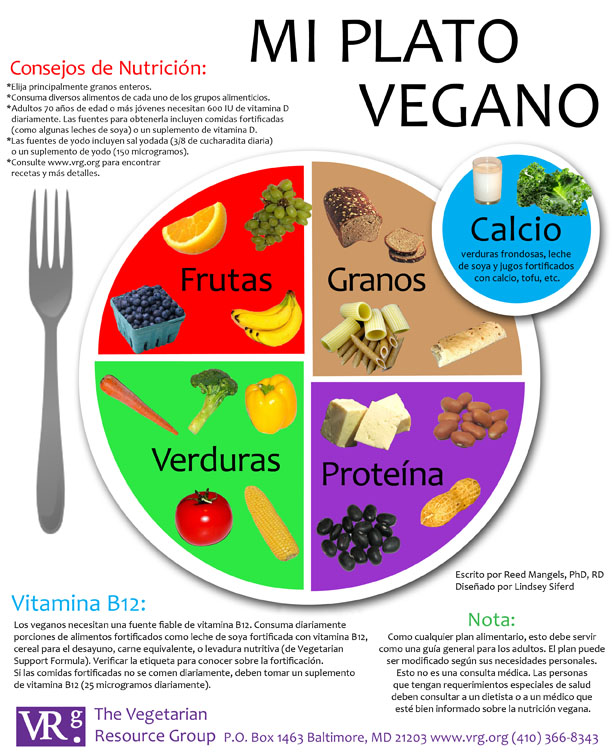
Vegan Diets in a Nutshell Poster

Posted on September 28, 2022 by The VRG Blog Editor

Share this handy poster with family and friends. You can also print it out and post it on your refrigerator. See: https://www.vrg.org/nutshell/VeganDietsinaNutshellPoster.pdf

VEGAN PIZZA IN COPENHAGEN, DENMARK

Posted on September 27, 2022 by The VRG Blog Editor

Looking for Vegan Pizza in Copenhagen? Try Pico Pizza. Pico writes that they “use our homemade cashew cream or butternut squash puree to add the fattiness that cheese would have normally done.” Vegan selections include margherita, Hawaii, Legend of the Fall, Rosemary’s Bacon, and Spicy Lamb (seitan sausage).

See: https://picopizza.dk/en/vegan-pizza/

VRG VIDEO CONTEST WINNER: The Truth About Factory Farming

Posted on September 27, 2022 by The VRG Blog Editor

Esther from Utah said: I am interested in vegetarianism/veganism because of many reasons. Initially, I became vegan because of the environmental impact it would have. However, as I became more educated, I learned about animal ethics and the devastating things that happen in factory farming. For me, that became just as important to me as the environmental aspects of veganism because no sentient being deserves to suffer, especially if humans are intentionally bringing about that suffering. This is why I am interested in veganism, and I am passionate about sharing my knowledge with others in the most uplifting and approachable way. See her video at https://www.vrg.org/veg_videos.php#estherwilson

See other videos here: https://www.vrg.org/veg_videos.php

The deadline for The Vegetarian Resource Group’s next video contest is July 15, 2023. See: https://www.vrg.org/videoscholarship.php

MONTGOMERY COUNTY MARYLAND SCHOOLS OFFER VEGGIE OPTIONS IN MIDDLE AND HIGH SCHOOLS

Posted on September 26, 2022 by The VRG Blog Editor

Montgomery County schools in Maryland recently featured these meals they call Plant-Based and Plant-Forward: Teriyaki Edamame and Broccoli Rice Bowl, Spicy Chik’N Street Tacos, Sweet N Sour Chik’n With Rice, Veggie Power Bowl, and Curry Chickpeas With Rice

See: https://www.montgomeryschoolsmd.org/uploadedFiles/departments/food-and-nutrition/menus/5193.23_MENU_HS_AugSept(1).pdf

Does your school district offer vegan or vegetarian main dishes?

Vegan on the Road

Posted on September 26, 2022 by The VRG Blog Editor

By Cierra Peterlin, RD, VRG volunteer

Seeing new places, traveling new roads, and visiting new states, road trips are an adventurous vacation or an enjoyable way to reach a destination. With the rise in popularity of van/RV life and living on the road as well as the comfort of being around fewer people for travel during the pandemic, many of us have been planning road trip getaways. This leads to lots of time spent on the highway and in different places.

In our own towns, and even more so in unknown cities, vegans and vegetarians know it can be challenging to find a veg-friendly restaurant or food stop. Recently I decided to relocate from the Philadelphia, PA area to San Diego, CA, so boy did I have a road trip ahead of me. During my 40-some hour expedition, I would be in new territory and would have to find vegan food in new cities, gas stations, and rest stops. Over the course of my 6-day Cannonball Run I made pit stops in Indiana, Missouri, Colorado, Utah, and Arizona before arriving in San Diego. In this article I’ll share resources and tips for finding vegan options anywhere in the country.

Bring snacks

The first thing I did was pack some hearty snacks… just in case. I gathered a few things that wouldn’t take up too much space and could hold up in a packed car. Plant-based protein shakes or individual size plant milks, Cinnamon Life cereal, pretzels, GoGo squeeZ applesauce, and Hippeas chickpea puffs (these did not hold up in the car and were very messy, but it was worth it cause they’re the best!) were my driving snacks of choice. Having easy snacks like the applesauce pouches and pretzels came in handy when driving. The protein shakes and plant milks were great for long stretches of road with minimal stops as well as for quick meals on the move with the cereal. If you’re going on a road trip I recommend keeping in mind what you can eat while driving and what you can eat as a passenger or at a pit stop. Also think about items that don’t need refrigeration and won’t get crushed in a crowded vehicle.

Learn to love the veggie wrap or sandwich

Chances are you’ll be relying on a Subway, Wawa, Sheets, or another convenience food mart like these for a meal or two. You might need to create a veggie sandwich or wrap. Italian bread or a flour tortilla with lettuce, tomato, onions, some type of pepper, and pickles are usually an option at these places. Some even have spinach, roasted veggies, or hummus. Lean towards sriracha or oil and vinegar for a vegan-friendly spread and voila, you have a vegan meal! It might not be the most glamorous, but it will nourish you and fill your tummy. This idea goes to my next point…

Lower your expectations

Eating on the road may not be what dreams are made of. Sometimes you may be arriving in cities at odd times when vegan restaurants are closed. You may be driving where there are few places to stop and you have to settle for some snacks or the classic vegan sandwich I describe above and move on. Keeping this in mind throughout the trip will help you to not be let down when the vegan food trucks in Moab, UT are closed on Wednesdays or the smoothie and salad spot in Phoenix, AZ is only open until 3 pm and you drive through at 4 pm. It will also make it so much better when you do get to a delicious vegan restaurant in a new city.

Hotels almost always have oatmeal

During your trip you’ll likely stay at some hotels or motels and in some you may get a continental breakfast! Items in these complimentary meals include the basic breakfast foods and one thing you can almost always count on is oatmeal. Typically, there will also be toppings such as raisins, brown sugar, and maybe chopped nuts. If you’re not into oatmeal, the hotel will probably have bread and bagels; however, plant-based butters/cream cheeses are few and far between in these settings. A selection of cereal will also probably be an option, but plant milk may not be (also keep in mind that many breakfast cereals are fortified with animal-based vitamin D3). Apples, bananas, and/or oranges will also probably be available as will coffee, tea, and juice. There is also a chance you might get lucky; out of the 5 hotels where I stayed during my travel, one had oat milk and veggie sausage upon request!

Use the resources

There are many apps and other resources available for finding vegan food options. When you’re in a new city you can turn to The Vegetarian Resource Group’s wealth of resources such as restaurant guides which are broken down by state and city (https://www.vrg.org/restaurant/). You can also download the Happy Cow app for listings of restaurants that are vegetarian, vegan, or have vegan/vegetarian options. The app lets you search anywhere and has pictures and reviews from other users. If these resources aren’t your style or you’re really in a crunch you can always count on a quick Google search to point you in the right direction: vegan food in name of city.

To read more about Cierra’s travels, go to https://www.vrg.org/blog/2022/09/06/vegan-restaurant-highlights-on-the-road-from-philadelphia-to-san-diego/

A Year of Vegan Brownie Recipes

Posted on September 25, 2022 by The VRG Blog Editor

Photo by Rissa Miller

Who doesn’t like brownies? In honor of The Vegetarian Resource Group’s 40th Anniversary, Rissa Miller and James Craig Thieman created 12 unique brownie recipes that you can enjoy year-round. Some of the brownies include Pretzel Brownies, Minty-Zucchini Brownies, Brownie-Beet Pecan Pie, Raspberry Brownies, Peanut Butter Brownies, Pumpkin Spice Brownies with Crumb Topping, and Cheesecake Brownies.

Fine the recipes here: https://www.vrg.org/journal/vj2022issue3/2022_issue3_vegan_brownies.php

Subscribe to Vegan Journal: https://www.vrg.org/party/

Aqua Cultured Foods Alt-Seafood is Truly 100% Vegan

Posted on September 23, 2022 by The VRG Blog Editor

photo from Aqua Cultured Foods

By Jeanne Yacoubou, MS

Chicago-based food tech startup Aqua Cultured Foods is innovating in the alt-seafood space with its truly vegan products created through microbial fermentation.

On the menu are fungi-based seafood analogs including “whole-muscle cut tuna and whitefish, popcorn shrimp, calamari, and scallop alternatives,” according to a March 2022 press release. Aqua Cultured Foods in fresh or frozen varieties, breaded or seasoned, are in the pipeline. The first commercial product, calamari fries, was recently unveiled.

The startup’s website states: “Aqua’s products contain no microplastics, mercury, pesticides, antibiotics, dioxin or PCBs” like conventional seafood may contain. The products are safe for people with seafood allergies. They are soy- and gluten-free.

According to Aqua’s website, their fermentation methods do not use any animal inputs, genetic altering or modification, and are non-GMO. “We’re not messing with its DNA sequence or altering its genetic material because we want to maintain that non-GMO status,” Anne Palermo, CEO of Aqua Cultured Foods, reported to FoodNavigator.

Unlike many other plant-based meat alternatives made from starches and protein isolates derived from soy, pea, or other plant-based extracts, Aqua Cultured Foods seafood analogs are mycoprotein (fungal) and produced by microbial fermentation. The resulting fibrous biomass retains “naturally occurring fiber, protein, and other micronutrients.”

In a 2021 FoodDrive article, Palermo described their fermentation method as versatile: “By varying pressure levels, humidity and gases during the production process, the same protein can be made into a flaky fish analog, meaty popcorn shrimp, or chewy calamari ring.”

Palermo further explained their technique in a 2021 Just Food article: “Basically, it’s a very new and different way of producing mushrooms. Rather than growing them on a solid substrate such as coconut husks or sawdust, we are growing protein in a liquid broth.”

A FoodNavigator February 2022 article states their calamari analog has, per serving, fewer calories, no sodium, more protein, and none of the saturated fat or cholesterol as conventional calamari. Unlike fiberless marine calamari, each serving of Aqua’s product contains 10-12g of fiber.

In a September 2021 FoodNavigator article about Aqua Cultured Foods, Palermo describes their alt seafood analogs as “tasteless.” So, adding chemical masking agents to hide bitter off flavors – like other companies do – isn’t necessary. As a result, their ingredient labeling and branding terminology will be simple and clean – but as of yet no details are available except that vegan omega-3s are added to the breading.

The Vegetarian Resource Group corresponded with Anne Palermo, CEO of Aqua Cultured Foods, about their vegan mycoprotein products via their publicist, Gary Smith, in August 2022. We wanted to confirm that absolutely no animal ingredients, including animal-sourced genetic material from a virtual DNA library, were used in their manufacturing process from start to finish.

Here are our questions followed by Anne’s responses:

The VRG: Can you please confirm:

  1. Your products contain no animal-derived ingredients.
  2. There is no animal- or dairy-derived genetic material in the microbes used to make your products. This includes no animal DNA (including genes coding for dairy ingredients) from a digital library.
  3. There are no animal- or dairy-derived ingredients in the nutrient growth medium. This includes cane sugar processed through cow bone char.

Anne Palermo: All three statements are true. Zero animal inputs in any phase of development and end product. When we are in full scale production (and at present), we will use 100% plant-based ingredients…our aim is to remove animals from the food system and that includes using inputs that don’t contain animal-derived ingredients or refined through the use of animal inputs.

The VRG followed up by asking for details on their market launch.

Gary Smith told us: “Aqua expects to do tasting events with some restaurant partners later this year (to gauge consumer acceptance), and then product introductions in markets via distribution partners in 2023…at first they won’t be going to grocery/retail, nor direct to consumers. Their plan is to sign agreements with foodservice suppliers.”

Stay tuned to The VRG Blog for all the specifics on Aqua Cultured Foods upcoming market launch.

The contents of this posting, our website and our other publications, including Vegetarian Journal and Vegan Journal, are not intended to provide personal medical advice. Medical advice should be obtained from a qualified health professional. We often depend on product and ingredient information from company statements. It is impossible to be 100% sure about a statement, info can change, people have different views, and mistakes can be made. Please use your best judgment about whether a product is suitable for you. To be sure, do further research or confirmation on your own.

  • Donate

  • Subscribe to the blog by RSS

  • VRG-NEWS

    Sign up for our newsletter to receive recipes, ingredient information, reviews of new products, announcements of new books, free samples of products, and other VRG materials.

    Your E-mail address:
    Your Name (optional):


↑ Top