The Vegetarian Resource Group Blog

California Budget Includes Money for Plant-Based Meals in Schools

Posted on July 29, 2022 by The VRG Blog Editor
By Reed Mangels, PhD, RD

At the end of June 2022, California Governor Gavin Newsom signed a $308 billion state budget for 2022-2023. This budget features a first for any state in the United States – funding for plant-based school meals in public elementary and secondary schools.

According to the Enacted Budget Summary, the budget includes a one-time $100 million allocation “to support local educational agency procurement practices for plant-based or restricted diet meals, to procure California-grown or California-produced, sustainably grown, whole or minimally processed foods including for use in plant-based or restricted diet meals, or to prepare meals fresh onsite.”

The state budget also includes a one-time $600 million apportionment for upgrades to school kitchens and equipment and food service employee training and compensation that will allow the use of more “fresh, minimally processed California-grown foods.”

To read more about vegan and vegetarian meals in schools see:

Getting Vegan Foods into Elementary Schools

Adding Vegetarian Options into School Lunch Programs

Working for Vegetarian Food in Your High School Cafeteria

Vegan Restaurants Added to The Vegetarian Resource Group’s Guide to Veggie Restaurants in the USA and Canada

Posted on July 29, 2022 by The VRG Blog Editor

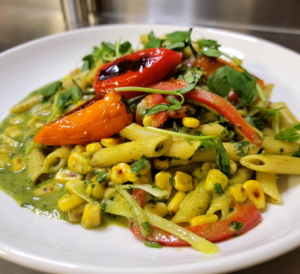
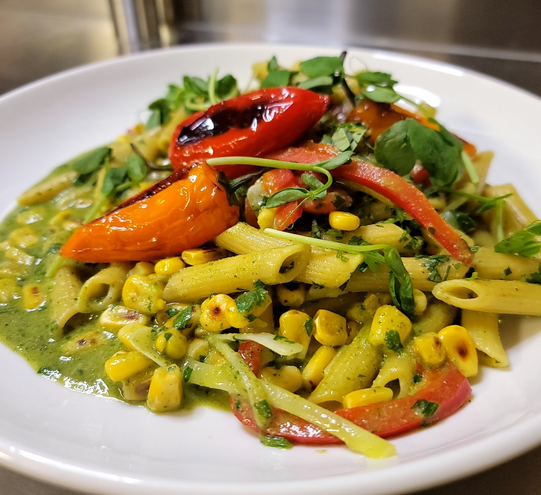
Photo from Belse Restaurant Bar & Brewery (@belsenyc)

The Vegetarian Resource Group maintains an online Guide to Vegan/Vegetarian Restaurants in the USA and Canada. Here are some recent vegan restaurant additions. The entire guide can be found here: http://www.vrg.org/restaurant/index.php

To support the updating of this online restaurant guide, please donate at: www.vrg.org/donate

Here are some new additions to VRG’s guide (Note: Due to the COVID-19 pandemic many are doing take-out and/or delivery now):

Belse, 265 Bowery, New York, NY 10002

Belse’s high-end, culture-agnostic approach leads to options ranging from the beet carpaccio with almond ricotta to a selection of pizzas and flatbreads including mushroom pesto to the Aubergine filet, an eggplant steak in a mushroom au jus. The brunch menu offers a mix of savory items as well as breakfast dishes such as banana pancakes or lemon poppy seed waffles with a maple rum syrup. In line with Belse’s tagline (“The best vegan food tastes even better when you drink responsibly”), the full-service bar and on-site brewery offer a range of beverages to pair with your meal. This includes the 4 signature wines from the Belse winery in Healdsburg, California, and the freshly made brews from the only 3-vessel German brewhouse in Manhattan. Brunch cocktails include the Upside-Down Cake made with vanilla vodka and lemon and pineapple juices and the Black & White Espresso Martini. If you are not already blown away by the thoughtfulness and creativity of Belse, consider this: the restaurant’s logo (hands holding the earth wrapped in a lotus flower) was designed by Shepard Fairey, the street artist who created the “Hope” portrait of Barack Obama.

 Chelsea Cashew Creamery, 719 Broadway, Dunedin, FL 34698

Chelsea Cashew Creamery is a mother & son business in the Tampa Bay area that makes all its ice cream in-house with natural ingredients and no stabilizers or additives. The menu includes flavors such Chelsea’s choice, chocolate walnut, coconut, Dutch chocolate, masala chai, mint chip, pistachio, mocha, and many more amazing flavors.

Folke, 2585 W. Broadway, Vancouver, BC V6K 2E9 Canada

Kitsilano-based restaurant with ever-changing menu based around vegetables from local farms and alcohol from local breweries and wineries.  Order a few small plates to share, or a 6-course tasting menu.  Offerings include expertly selected, paired and prepared vegetable dishes such as beets with rose, hazelnut and rhubarb; dumplings with mushroom xo, gai lan, and ponzu; or a dessert consisting of rhubarb, fennel and chamomile.  Guests can sit at tables amidst the classy indoor décor, at a bar overlooking the open kitchen, or on the covered patio outdoors. Chefs often interact with guests to speak about the dishes and the local farms the ingredients came from, and guests can also come to the daily “patio hang” at 3-5pm with beer, wine, and snacks. Menu prices include gratuity in an effort to pay the front-of-house staff a fair wage.

House of Mexica, 3600 Warren Way #107, Reno, NV 89509

Showcasing the roots of the Mexica (Meh-Shee-Ca) tribe, House of Mexica will undoubtedly catch your attention if not through their authentic Mexican cuisine, then through their bold, eye-catching bright purple logo. This vegan restaurant gives you complete mobility of your experience from their loads of soy and gluten-free options, 5 different “meat” options (Asada, Al Pastor, Chick’n, Nohpalli (prickly pear cactus), Hibiscus), and loads of house toppings to customize your dish. They have dedicated a section of the menu entirely to Mexican classics such as Tacos, Sopes, Tortas, Burritos, and Chimichangas. Additionally, their 12 different Chick’n Sandwiches, Burgers, and Bowls make it impossible for you to not find something you love. Another popular section are their fries as you can choose between the Mexican, Buffalo, Asada, Animal Kingdom, or Mac ‘n’ cheese options. Lastly, they have a selection of “smoothie gods” as you can choose between their water, solar, fire, or earth smoothies, or Mexican classics like Horchata and Jamaica.

Laughing V, 184 Duane St., New York, NY 10013

Tiny spot in Tribeca, a few blocks from the World Trade Center. Partnered with the Laughing Man Café next door, part-owned by actor Hugh Jackman.  Serves both drinks (including coffee — or check out the caffeine-free pink “matcha” with powdered dragon fruit) and sandwiches and baked goods, as well as a small collection of vegan market items (cashew cheese, vegan pudding mix etc.). The food is mostly made from scratch out of unprocessed ingredients (including the bread for the sandwiches): try the Philly Cheesesteak, featuring seitan handmade from lentils and Italian herbs. Seating available at the benches and small park right outside.

Nomoo, 7507 Melrose Ave., Los Angeles, CA 90046

Nomoo serves soy-free, non-GMO burgers, shakes, Everything Vegan BBQ facon, hot chick’n, fried oyster, Beyond patty, fried onion strings, and more. Nomoo has both indoor and outdoor seating, as well as soothing music and a prime location for people-watching.

Rock n Roots, 469 Willis Ave., Williston Park, NY 11596

Enjoy a granola cup, sushi rolls, wraps and salads, panini sandwiches, burgers, and desserts.

Seaside Eatery, 98275 Overseas Hwy., Key Largo, FL 33037

Seaside Eatery is a food truck eatery with outdoor seating. Serving the freshest ingredients to bring you delicious hand-crafted dishes such as the Stack ‘o Cakes, Avocado Toast, Lyndsay’s Bahn Mi, Roasted Vedge, Falafel, Chickpea salad, Hummus, and other dishes. They also offer Boba teas.

Sookie’s Veggie Burgers, 502 State St., Madison, WI 53703

Besides burgers, other items on the menu include spinach chicken pesto sandwich, chicken sandwich, black bean chipotle burger, and fries. They also have desserts produced locally.

Support The Vegetarian Resource Group Year-Round: Please Consider Becoming a Monthly, Quarterly, or Single-Time Donor

Posted on July 28, 2022 by The VRG Blog Editor

The Vegetarian Resource Group is a vegan activist non-profit organization that does outreach all-year-long. For example, VRG has been participating in numerous virtual events by providing speakers on a wide variety of vegan topics. We also send literature free of charge to other groups/individuals doing educational activities in schools, hospitals, camps, restaurants, libraries, offices, etc. Our ability to continue doing this depends on people like you! Your donations allow us to promote the vegan message whenever we’re called upon for assistance. Please consider becoming a monthly, quarterly, or single-time donor to The Vegetarian Resource Group.

Thanks so much for your support. You can make a donation online here: www.vrg.org/donate

Ethical Fashion on a Budget

Posted on July 28, 2022 by The VRG Blog Editor

By Ruby Sturm, VRG Intern

I’ve been trying to learn how to buy cheap clothes as a vegan. Overall, clearance racks, thrift stores, and yard sales are probably the way to go.

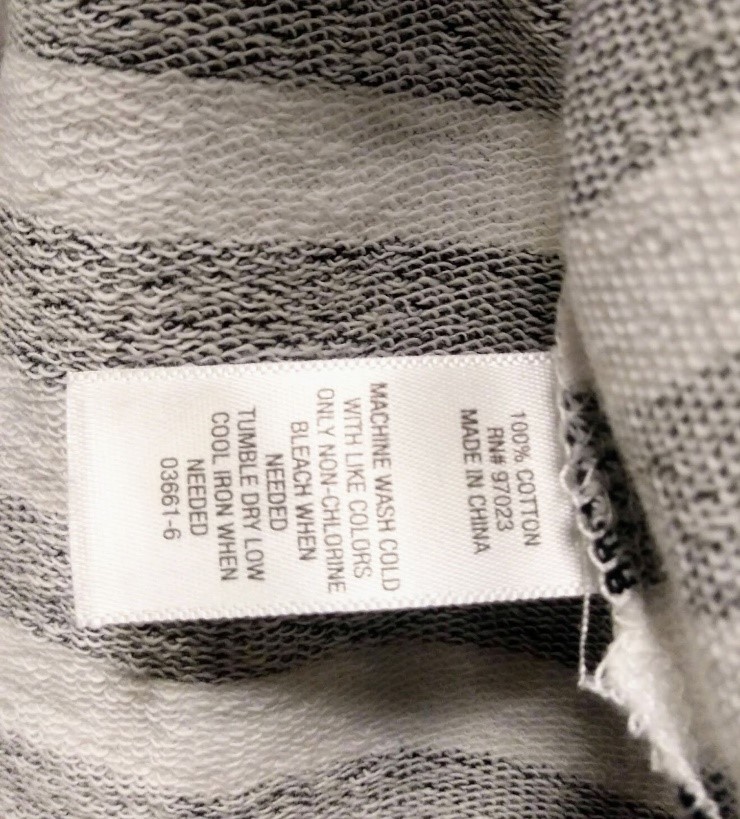
Although I haven’t run across many specifically vegan clothing brands, in the better stores the clothing and shoes are labeled with what’s in them. So you’ll at least have an inkling if a piece is free from animal products. A detailed label is really helpful because animal products can sometimes be hidden in plain sight. I once bought a pair of fuzzy knitted winter gloves. It turned out that the fluffy material hidden inside of the gloves was rabbit fur. Another time my mom bought me a pair of canvas shoes online. The product description read “cotton.” What it didn’t say was that the inserts inside the shoes were 100% genuine leather! There will always be some mistakes, but the more I learn about different brands, the better I get at making sure that what I’m wearing is good for the earth!

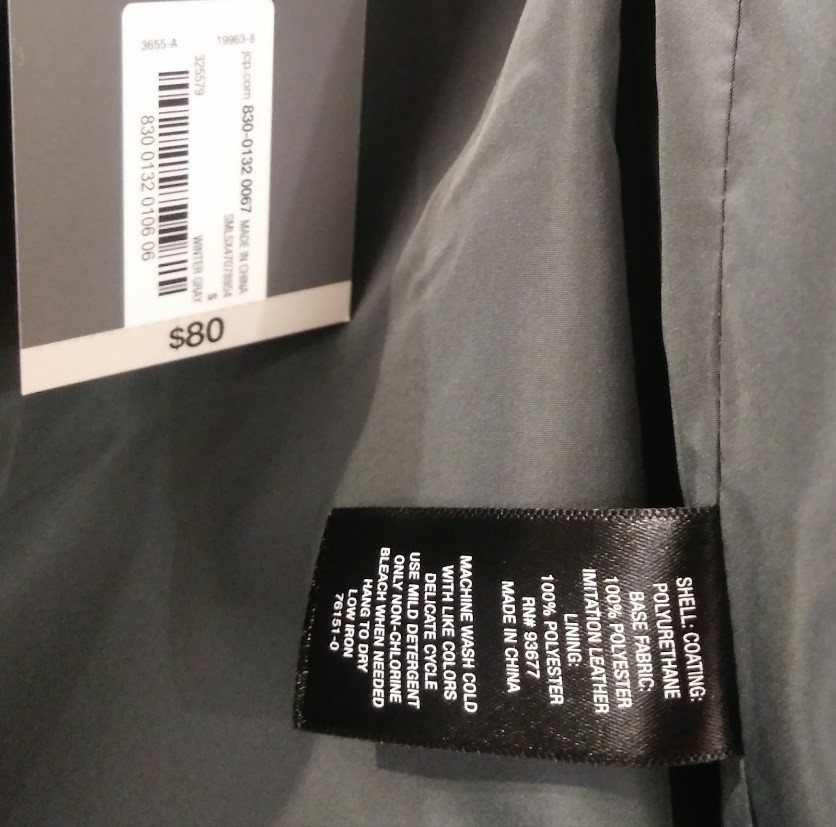
If the label doesn’t list what a product is made of, the best thing you can do is Google it. When shopping online, you might notice that product descriptions aren’t great. But you can go to the brand’s website for a more detailed description. Looking up the brand only takes a minute. Of course it’s also important to think about the different labels products can have—cruelty-free, sustainable, and vegan. Cruelty-free means that a product isn’t tested on animals. Sustainable means that the product has a better environmental impact. And vegan means that it contains no materials derived from animals. When buying clothing, it’s best to consider all of these labels. A vegan faux leather coat could still be made entirely from plastic, cruelty-free soap could contain honey and goat’s milk, and a pair of sustainable shoes could still be made from leather.

How could a faux-leather coat be made from plastic well…  Faux leather is a trendy vegan product that no one can seem to make up their mind about. Is it good, is it bad, is it cheap?

Vegan leather companies have different processes for developing this leather-free leather. There are two main types. The first is made of polyurethane, or PU, a plastic-based leather that is cheap and easy to mass produce. My family has a PU faux leather couch that started peeling a year after we bought it. The second type of vegan leather is plant-based. Plant-based leather is usually made from smooth leathery plants such as cactus, banana leaves, or even fruit skins. One sad thing is that I’ve found few plant-based leathers are fully “plant-based.”

Overall, how people shop ethically really depends on their budget, the time they’re willing to invest, and their style. It’s not just about your taste in clothes, but also whether you prefer the ‘thrill of the hunt’ at yard sales and thrift stores, or a more organized approach to shopping, like searching through the catalog of an online store.

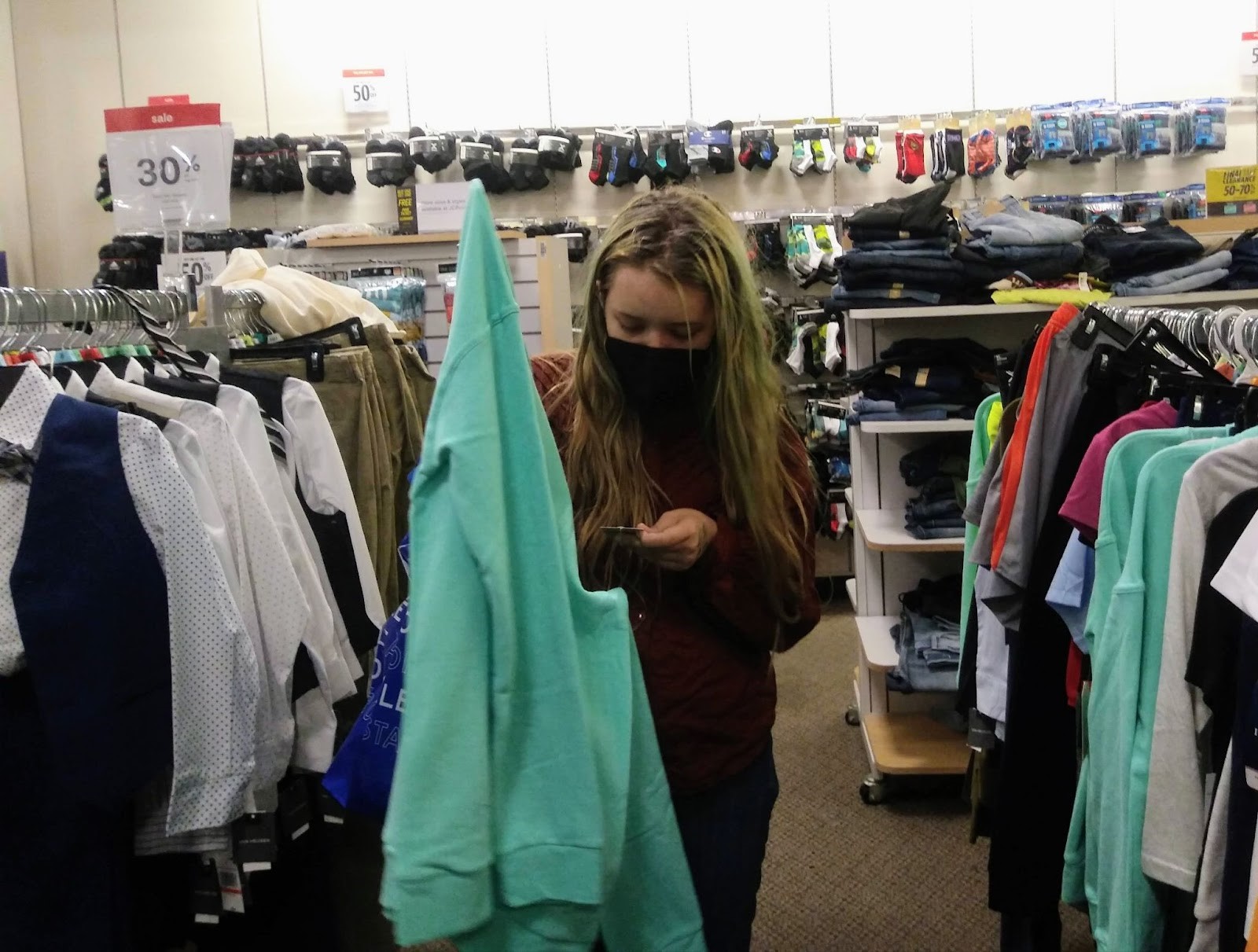
For new clothes, one way to save money is at the clearance rack. Avoid stores that have clothing made from cheap synthetic materials that will fall apart fairly quickly but won’t biodegrade. Instead, go to the clearance rack at stores that carry some ethical brands. When I started researching, I thought I’d find some budget vegan brands if I looked hard enough. After all, I really can’t afford to pay $45 for a t-shirt or $300 for a backpack. I know that fast fashion is bad, but cost is a factor for most of us.

If you love some of the expensive vegan clothing brands but don’t have the money, you can also buy them used. Time can be a good substitute for money—sure, they’ve been worn before, but that just doubles your positive impact on the environment! You may prefer hitting the bins at a chaotic Goodwill, a more organized thrift store like Savers, or asking for your grandma’s cool hand-me-downs. Sometimes it’s hard to find things you like that are your size. But you can buy used clothing online, too, at websites like Mercari, Ebay, Thredup, Poshmark, and TheRealReal. (TheRealReal is pretty expensive but hey they have a clearance section!)

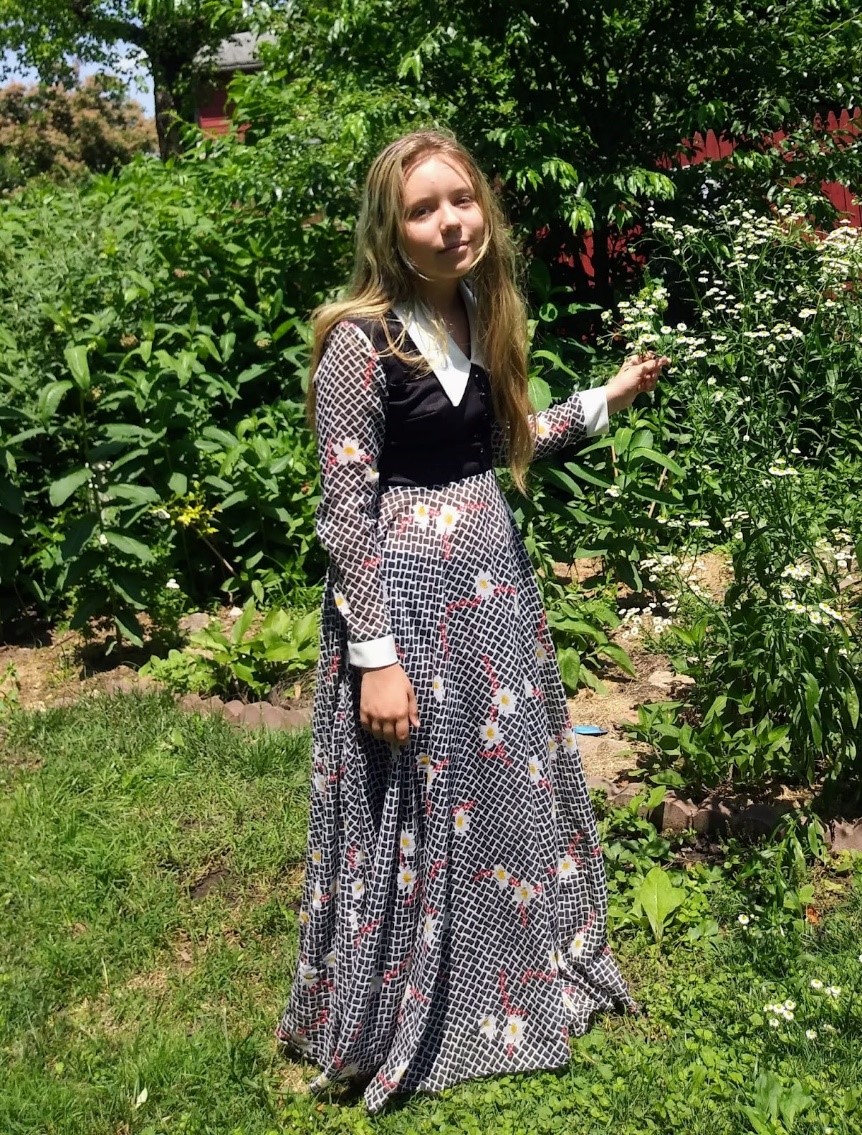
Another reason to buy second hand is … just look at all the cool stuff you can get! Thanks to thrift stores and yard sales I have button ups from now ‘till 60 years ago. Some of the neatest clothing pieces I’ve gotten don’t even have tags and I’m pretty sure they were handmade.

This was a cool dress I got from a thrift store that I’m pretty sure was hand-sewn.

And if you accidentally purchase something second-hand that contains animal products, at least you bought it used so the manufacturer didn’t profit from the sale. When people become vegan, many cycle leather and fur clothing out of their wardrobes.

I remember when I would tell people I bought my clothes at a thrift store and they would look at me weird, but now everyone seems to like them… perhaps since clothing has gone up in price. They say time is money. And if you don’t want to break your wallet you still have to invest something. So maybe just invest your time instead!

The contents of this posting, our website and our other publications, including Vegetarian Journal and Vegan Journal, are not intended to provide personal medical advice. Medical advice should be obtained from a qualified health professional. We often depend on product and ingredient information from company statements. It is impossible to be 100% sure about a statement, info can change, people have different views, and mistakes can be made. Please use your best judgment about whether a product is suitable for you. To be sure, do further research or confirmation on your own.

You may also be interested:

https://www.vrg.org/nutshell/leather.php

https://www.vrg.org/blog/2016/12/09/whats-the-deal-with-vegan-leather/

http://www.ecfr.gov/cgi-bin/text-idx?c=ecfr&SID=da0fff93d248d84476b245ccfa2ce5bc&rgn=div5&view=text&node=16%3A1.0.1.2.14&idno=16

Labeling regulations:

https://www.vrg.org/journal/vj2022issue2/2022_issue2_unleather.php

VRG’s Guide to Food Ingredients

Posted on July 27, 2022 by The VRG Blog Editor

Have you ever wondered if an ingredient listed on a food label is vegan or not? The Vegetarian Resource Group has an online guide to food ingredients that lets you now whether a specific food ingredient is vegan, vegetarian, non-vegetarian, typically vegan, typically vegetarian, may be non-vegetarian, or typically non-vegetarian.

You can search through this guide here: https://www.vrg.org/ingredients/index.php

To support this type of difficult research, please consider making a donation to The Vegetarian Resource Group: vrg.org/donate

Some Foods and Some Medicines Don’t Go Together

Posted on July 27, 2022 by The VRG Blog Editor

By Reed Mangels, PhD, RD

It’s simple, right? We all think we know which foods are good for us and which foods are less likely to be health promoting. But when medications enter the mix, it may get more complicated. Some foods that many of us think of as healthy, can interfere with the actions of some medicines, making the medicine less effective or even dangerous.

For example, there are long lists of medications that grapefruit or grapefruit juice can interact with. These include some drugs to lower cholesterol (some statins), some drugs used to treat high blood pressure, some anti-anxiety drugs, some corticosteroids, and some antihistamines. Seville oranges (often used to make orange marmalade), pomelos, tangelos, pomegranates, and pomegranate juice are sometimes identified as having effects similar to those of grapefruit and grapefruit juice (1).

People taking some types of anticoagulants (medicines to reduce the risk of blood clots) are warned to eat a consistent amount of green leafy vegetables and other food sources of vitamin K rather than eating a lot of kale, say, one day and no green vegetables the next (2).

A type of antidepressant called an MAO inhibitor can have dangerous interaction with foods high in tyramine or histamine. These include aged cheeses, pickled or fermented food (sauerkraut, pickles, kimchi), fermented soy sauce, tempeh, and yeast extract.

Your health care provider or pharmacist can help you determine if you need to avoid or limit certain foods because of medications that you are using.

In addition to foods, other products including dietary supplements, herbs, non-prescription medications, and other prescriptions medications all have the potential to interfere with a prescribed medication. It’s a lot to keep straight.

Johns Hopkins Medicine website (3) has these sensible recommendations:

  • Ask your pharmacist or healthcare provider if there are foods, beverages, vitamins, or supplements you should avoid with your medicines.
  • Read the prescription label on the container. If you do not understand something, or think you need more information, ask your healthcare provider or pharmacist.
  • Read directions, warnings, and interaction precautions printed on all medicine labels and instructions. Even over-the-counter medicines can interact with foods, beverages, or supplements.
  • Check with your pharmacist or healthcare provider before taking vitamin pills at the same time you take medicine—vitamins and minerals can interact with some medicines.
  • Be sure to tell your healthcare provider and pharmacist about all medicines you are taking, both prescription and nonprescription.

References

  1. FDA. Grapefruit juice and some drugs don’t mix. https://www.fda.gov/consumers/consumer-updates/grapefruit-juice-and-some-drugs-dont-mix. 2021.
  2. National Jewish Health. Anticoagulants and some drug-food interactions. https://www.nationaljewish.org/conditions/medications/cardiology/anticoagulant-and-drug-food-interactions?modal=1. 2013.
  3. Johns Hopkins Medicine. Food-drug interactions. https://www.hopkinsmedicine.org/health/conditions-and-diseases/fooddrug-interactions

The contents of this posting, our website, and our other publications, including Vegetarian Journal and Vegan Journal, are not intended to provide personal medical advice. Medical advice should be obtained from a qualified health professional. We often depend on product and ingredient information from company statements. It is impossible to be 100% sure about a statement, info can change, people have different views, and mistakes can be made. Please use your best judgment about whether a product is suitable for you. To be sure, do further research or confirmation on your own.

Vegetarian Journal is now Vegan Journal!

Posted on July 26, 2022 by The VRG Blog Editor

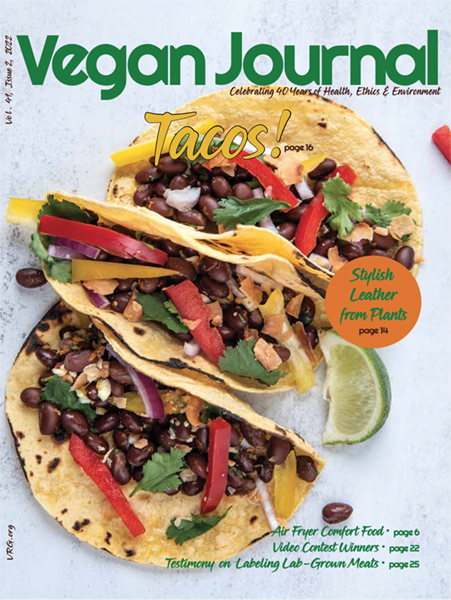
The Vegetarian Resource Group is celebrating its 40th Anniversary this coming fall and this year we have changed the name of our quarterly magazine to Vegan Journal. You’ll find the same type of articles and recipe pieces in an updated format. Enjoy in-depth original research, product and book reviews, scientific updates on veggie nutrition, delicious vegan recipes with gorgeous photos, plus so much more. Both long-term vegans and those new to a vegan life-style will enjoy this magazine.

To subscribe in the USA, see: https://www.vrg.org/member/2013sv.php

Every Company Egg White Protein, Egg White Replacer, and Porcine Pepsin Replacement: Part 2 of a Series on “Animal-Free” Ingredients

Posted on July 26, 2022 by The VRG Blog Editor

By Jeanne Yacoubou, MS

The Vegetarian Resource Group first learned of Every Company (formerly Clara Foods) in March 2021 in an article on its “animal-free” pepsin.

At that time, we were curious to find out more about the source of Every’s pepsin. Since this digestive enzyme, common in many nutritional supplements, is typically derived from hogs on a commercial basis, pepsin is considered an animal-derived ingredient.

So how could pepsin be “animal-free”?

Every Company “animal-free” products

On their website viewed in January 2022, Every Company lists three “animal-free” products they make by precision fermentation.

  • egg white protein
  • egg white replacer
  • porcine pepsin replacement

According to the website, these products are suitable for a wide range of foods and beverages.

For egg white protein and egg white replacer, these include:

  • assorted beverages
  • protein bars
  • bakery
  • dry mixes
  • sauces
  • dressings
  • patties
  • pasta
  • binder in meat analogues


Pepsin, in particular, was noted as a possible food processing aid as well as an ingredient in nutritional supplements.

According to the Food and Drug Administration, processing aids do not have to be listed on food and beverage labels.

At the time of writing this article, Every Company was in partnership to sell a vegan protein smoothie in California and New York as well as online.

In the description for this product, there was an asterisk after the word “vegan” which lead to this disclaimer:

“Contains egg allergens. This is not an animal product and is not created from chickens.”

Here was the complete ingredient statement for this product:

Apple Juice, Water, Pineapple, Banana, Spinach, Avocado Pulp (Avocado, Citric Acid), Lemon Juice, Egg White Protein (Non-Animal Source)

Every Company manufacturing process

On their website, Every Company states that it “…decouples proteins from the animals that make them using fermentation.”

To do this, they use a DNA sequence library. After copying the genetic code for a specific animal protein, they insert it into yeast. Every uses chicken and porcine DNA sequences for their products.

Then the yeast are grown on a medium containing sugar. Through fermentation, the yeast produce the animal protein according to the genetic instructions previously inserted.

Every Company FAQ page

On the website FAQ page, Every Company writes:

Note: Because our egg proteins are nature-equivalent to chicken-made eggs, they are considered egg allergens. People with an egg allergy should not consume our proteins.

Q: Why do you call your proteins animal-free?

A: Every Company conducted extensive consumer research to identify the clearest way to describe our proteins and the fact that no animal or animal cell is involved in our process or product. Our research indicated that animal-free is the clearest, most understandable way to describe animal protein made without using a single animal.

Note to reader: There are varied opinions on the labeling of these types of products, which will continue to evolve. Here is a YouGov national U.S. adult poll concerning how meat and dairy alternatives based on DNA originally from animals should be labeled: https://www.vrg.org/nutshell/CulturedMeatYouGov2022.pdf

What do readers think? Which terms would you suggest be used or not used?

The contents of this posting, our website and our other publications, including Vegetarian and Vegan Journal, are not intended to provide personal medical advice. Medical advice should be obtained from a qualified health professional. We often depend on product and ingredient information from company statements. It is impossible to be 100% sure about a statement, info can change, people have different views, and mistakes can be made. Please use your best judgment about whether a product is suitable for you. To be sure, do further research or confirmation on your own.

Precision Fermentation

Posted on July 25, 2022 by The VRG Blog Editor

By Chen Zeng

Fermentation is a process that people used to produce foods for decades. This process traditionally involves the conversion of sugar into alcohol and CO2 by yeast. In recent years, precision fermentation of “animal-free” protein has attracted a lot of attention from consumers and investors. What makes precision fermentation different is not the microbial process itself. Similar to traditional fermentation, yeast used in precision fermentation turns sugar into other ingredients except that no alcohol and CO2 will be produced. According to Good Food Institute, “precision fermentation uses microbial hosts as ‘cell factories’ for producing specific functional ingredients.” And by inserting the target gene into the yeast, yeast can be instructed to produce ingredients that people desire. This might sound like a brand new technology but in fact it has been around since 1980s. At that time, precision fermentation was used to produce human insulin that is used to treat diabetes patients. Before then, insulin used for treatment was derived from animals and this technology has brought down the cost of insulin.

A lot of startups that popped up in recent years are taking this technology into the food industry. What some are calling “animal-free” proteins, like whey, egg, and heme proteins that are identical to their animal counterparts, are being introduced to the market. They are being called “animal-free” as animal DNAs are easily accessible with a simple swap sample or in the online database. By incorporating these animal genes into the yeast, they produce animal ingredients without using the animal themselves. As many people are concerned about the presence of GMOs in the final food products, companies in this field are claiming that no GMOs will be present in the final products and their methods will bring down the environmental impact of animal agriculture and the cost eventually. Also, as novel ingredients, these “animal-free” proteins are not required to be labeled GMOs by the Food and Drug Administration (FDA) because they do not contain genetically modified organisms. But in Europe where regulation is different, it is uncertain how these ingredients will be labeled. And some that call them “animal-free,” may call them vegan (while many others wouldn’t). However, these proteins are still identical to animal ones and can trigger allergic reactions among those that are allergic to the animal version. Therefore, we are talking about a novel food category that probably requires some new labels to avoid confusion.

Chen has a Masters in Food Science from Cornell.

The contents of this posting, our website and our other publications, including Vegetarian Journal and Vegan Journal, are not intended to provide personal medical advice. Medical advice should be obtained from a qualified health professional. We often depend on product and ingredient information from company statements. It is impossible to be 100% sure about a statement, info can change, people have different views, and mistakes can be made. Please use your best judgment about whether a product is suitable for you. To be sure, do further research or confirmation on your own.

More than Just a Class? — Intern Leads Vegan Cooking Class at Christopher Place (Enjoy her Recipe for Korean-Mexican Styled Bulgogi Tacos)

Posted on July 25, 2022 by The VRG Blog Editor

By Nadely Requena, VRG Intern

When I was offered the chance to lead a vegan cooking class, I didn’t feel an ounce of hesitation to accept the offer.

It sounded like a lot of fun, a way to crawl out of my introverted shell that formed during the pandemic, and an opportunity to experiment with vegan cuisine. As someone who was vegetarian for four and a half years, and only recently became vegan, I have been slowly re-learning how to cook after living in the university dorms for a year. Most importantly, I’ve been trying new recipes and expanding my palate. So anytime I can cook, it brings a smile to my face.

I would be teaching a group of men at Christopher Place, a residential program providing education, training, and recovery support to formerly homeless men of the Baltimore area. Hearing this, I really wanted to know more about these committed men and their stories. I truly wanted to have a chance to not only cook delicious food, but also have the chance to be a part of the experience these men take away from their time at Christopher Place.

So, I took a leap of faith and decided to teach a vegan cooking class, having prior teaching experience, but sub-par cooking skills.

I chose a recipe titled “Korean-Mexican Styled Bulgogi Tacos”, which was entirely an experimental recipe that I made once from leftovers the previous week and really enjoyed. I had recently learned to cook vegan Bulgogi, which is traditionally Korean BBQ grilled steak. As someone who loves altering recipes to feel more individualistic and unique, I grabbed some flour tortillas, as they’re something I grew up eating in my Mexican household, and added a couple more ingredients to create the final dish.

All I can say is that there’s nothing more fulfilling than a group of people taking a bite into your recipe and collectively giving you a thumbs up, signaling how delicious it is. I was genuinely surprised at all the positive feedback and teaching this class definitely boosted my confidence in the kitchen.

Speaking to all the men present that day inspired me as well. A few of them were vegetarian and vegan, which was something I wasn’t expecting. It made me very happy to know that cooking and nutritional classes were proving to be very useful, according to the lives of these men.

Throughout the class, they kept reassuring me that I was doing a good job and that in itself meant a lot. I learned that it’s okay to experiment, to not know what you’re doing, and to essentially not know the outcome. Through all the laughs and smiles, I realized that we’re all just trying to survive and it’s important to not let everything get to your head. No matter the setbacks, or particular circumstance that one is in, it’s important to acknowledge the situation. But also realize that nothing can limit the things one does in life as these men showed me when making delicious tacos.

Most importantly, I learned food is best when it’s shared with others.

Here is the highly acclaimed recipe that the men of Christopher Place deemed their favorite so far:

Bulgogi (serving size: 4 tacos)

  • 2 cups (around 10 pieces) of plant-based chicken tenders (recommend Gardein)
  • 4 dried shiitake mushrooms
  • 12 ounces Korean BBQ sauce (recommend Ocean’s Halo)
  • 1 scallion
  • 1/2 cup of red onion
  • 1 cup of green bell pepper
  • 3 Tablespoons vegetable oil
  • Sesame seeds (optional)

Tacos

  • Flour tortillas (1 per taco)
  • Vegan provolone cheese (1 per taco) – (recommend Daiya slices)
  • Jalapeño hummus

Steps

  • Plant based chicken tenders
    • Microwave method
      • Place 10 tenders (around 2 cups) in a microwave-safe plate, evenly spaced apart > 1 minute > Then, flip tenders to the other side > 1 minute > Flip one more time to other side > 1 minute
  • Once tenders are warm and soft, place them on the cutting board and slice each tender vertically (fajita sliced)
  • You should have chicken strips > place on plate for now
  • Pan method
    • Add 1-2 Tablespoons vegetable oil in pan over medium heat
    • Add the 10 tenders (around 2 cups) into the pan; begin moving the tenders as they begin to break apart from being frozen
    • Cook for 10-15 minutes, make sure both sides of the tenders have been turned
    • Once tenders are warm and soft, place them on the cutting board and slice each tender vertically (fajita sliced)
    • You should have chicken strips > place on plate for now
  • Cutting Vegetables
    • 4 shiitake mushrooms > rinse, cut off the stems, then place the caps facing down and cut into thin slices (fajita sliced) > place on plate separately from chicken strips (on veggies side)
    • 1 scallion > rinse, then cut off 1 inch of white stem (side with roots), cut the rest into 1 inch pieces > place on plate separately from chicken strips (on veggies side)
    • 1/2 cup of red onion > rinse, then cut red onion in half (put the extra to the side), then julienne the remaining red onion > place on plate separately from chicken strips (on veggies side)
    • 1 cup of green bell pepper > rinse, cut of top half of stem, then julienne the remaining green bell pepper > place on plate separately from chicken strips (on veggies side)
  • Making Bulgogi
    • Preheat pan over medium heat > slightly oil it
    • Once hot, place the mushrooms, scallions, red onion, and bell pepper into pan
      • Cook until veggies are slightly charred and soft
    • Then, add 12 ounces Korean BBQ sauce
    • Once veggies are mixed with sauce, then add the sliced chicken tenders and mix together > you now have bulgogi, proceed to season with sesame seeds (place on plate)
  • Making Tacos
    • Making quesadillas: on a pan, cook one side of the tortilla, then flip, and add a slice of cheese to the cooked tortilla side. Proceed to fold in half and cook the uncooked side of the tortilla by flipping it every 30 seconds or so. Repeat with each taco.
    • After each quesadilla is made, open it, and add the jalapeño hummus and bulgogi
    • You now have “Korean-Mexican Styled Bulgogi Tacos” !!!

For more information on VRG internships, see https://www.vrg.org/student/index.php

To support Vegetarian Resource Group outreach and internships, go to www.vrg.org/donate

Or join at https://www.vrg.org/member/2013sv.php

  • Donate

  • Subscribe to the blog by RSS

  • VRG-NEWS

    Sign up for our newsletter to receive recipes, ingredient information, reviews of new products, announcements of new books, free samples of products, and other VRG materials.

    Your E-mail address:
    Your Name (optional):


↑ Top