Posted on
December 16, 2021 by
The VRG Blog Editor
The Vegetarian Resource Group is a
vegan activist non-profit organization that does outreach all-year-long. For
example, VRG has been participating in numerous virtual events throughout the
USA by providing speakers on a wide variety of vegan topics. We also send
literature free of charge to other groups/individuals doing educational
activities in schools, hospitals, camps, restaurants, libraries, offices, etc.
Our ability to continue doing this depends on people like you! Your donations
allow us to promote the vegan message whenever we’re called upon for
assistance. Please consider becoming a monthly, quarterly, or single-time donor
to The Vegetarian Resource Group.
Thanks so much for your support.
You can make a donation online here: www.vrg.org/donate
Posted on
December 16, 2021 by
The VRG Blog Editor
By Jeanne Yacoubou, MS
The VRG recently reported in October 2021 on “animal-free” whey protein developed by Perfect Day.
To be clear, Perfect Day’s whey protein is not taken directly from cow’s milk. It is produced by microorganisms possessing bovine-derived genetic material coding for whey. The bovine genetic information was taken from a virtual DNA library and based on actual genetic material (as stated in our earlier article and on Perfect Day’s website) “…taken from the blood of 8-year-old L1 Dominette 01449, a cow living in Montana, in 2009.”
The resulting whey protein is functionally identical to cow’s whey. This means it performs the same roles just like cow’s whey in foods and beverages. For example, it could be used as a fat replacer, emulsifier, or texturizer.
Because “animal-free” whey is genetically identical to cow’s milk whey, people with cow’s milk allergies should avoid the “animal-free” whey protein as well as stay away from cow’s milk and ingredients derived from it.
In our previous article, we listed a few seemingly non-dairy ice cream brands that already use this whey protein. We also predicted that Perfect Day’s “animal-free” whey – as well as “animal-free” caseins that are proteins also found in cow’s milk – would soon become widely used in a large number of other food and beverage products.
So, it was no surprise to read about the launch in November 2021 of an “animal-free” cream cheese alternative by food giant General Mills.
Called Bold Cultr, this cream cheese product is labeled with the phrase “contains milk allergens” on the front and back of the container. This statement alerts consumers with dairy sensitivities or allergies.
The bovine gene-derived whey appears on the ingredients label of this product as “non-animal whey protein (contains milk allergens).”
Natural flavors in Bold Cultur cream cheese alternative
Bold Cultr cream cheese alternative also contains unspecified natural flavors. Knowing that these could be animal-derived, we reached out to the company for more information in mid-November 2021. We have not received a reply yet.
Palm oil in Bold Cultr cream cheese alternative
Interested readers concerned about the environmental impacts of food ingredients should note the second ingredient on the label (after water) is “oil blend (palm oil and palm kernel oil).”
Being a major ingredient in a food means it is present in a large, albeit unspecified, amount according to p. 17 of the Food and Drug Administration’s Food Labeling Guide.
Production of palm oil ingredients is associated with the massive destruction of mangrove forests and mass extinction of species (such as orangutans and rhinos). Mangrove forests in particular are known to be huge carbon sinks that absorb carbon emissions responsible for accelerating our climate crisis. Without mangrove forests, greenhouse gases are likely to build up more quickly in the atmosphere.
Where is Bold Cultr cream cheese alternative sold?
According to Food Navigator – USA, Bold Cultur cream cheese is currently available at select Hy-Vee stores in Minnesota. The company website states that it will soon be available for purchase online, at cafes, through foodservice, and in many retail outlets.
A General Mills blog says Minneapolis-based Rise Bagel Company will begin offering this cream cheese alternative in January 2022.
Food Navigtor – USA also reports that select Starbucks locations in the Pacific Northwest are testing milk and dairy products from Perfect Day.
Right now, Bold Cultur cream cheese alternative is available in plain flavor only, although strawberry and chive & onion flavors are in development.
Which food and beverage products contain “animal-free” whey?
Besides the ice cream brands we listed in our Perfect Day Post, here’s a list of food products containing bovine gene-derived whey that have already launched or will do very soon:
A recent post on the General Mills website states that cheese alternative slices and shreds are in the planning stages. No date for their debut is specified.
Are “animal-free” proteins including lab-based meat really vegan?
Many vegans would probably believe that proteins manufactured by genetically engineered microbes containing animal-derived genetic blueprints are not vegan. There is still an animal substance involved in making such proteins.
However, the companies producing these “animal-free” proteins can have a different opinion.
For instance, on its website FAQ page, Bold Cultur includes this Q&A:
“Is BoldCultr vegan?
Yes – BoldCultr products do not contain any ingredients from animals.”
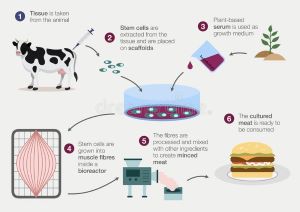
There’s no question that “animal-free” dairy products and “lab-based meat” are challenging the definition of vegan. For example, Dr. Uma Valeti, founder and CEO of the “cultured” meat company Upside Foods that uses animal stem cells to create its products including meatballs, chicken, and duck, stated in a recent Fortune article:
“…I think we’re going to challenge the definition of veganism and what veganism actually means if you become a vegan because of animal welfare and environmental reasons,” he said. “If you are vegan because you just don’t want to eat anything animal-based, we are animal-based. We are animal cells. So I think we’re going to challenge the definition and there’ll be more very large conversations on the philosophy behind the definition of vegan.”
If you’re a vegan, make your views known. Encourage clear labeling of products stating if animal stem cells were used to create the foods, so consumers can make choices.
What’s next for “animal-free” dairy proteins?
There are numerous business startups hoping to create “animal-free” cheeses using casein proteins made by microbes that have been programmed with bovine-derived genetic material containing the codes for caseins.
In cellular agriculture using precision fermentation, microorganisms are transformed into cell factories churning out large quantities of targeted animal proteins starting from animal genes alone.
Food Technologists consider manufacturing cheese in this manner more challenging than producing “animal-free” whey. Casein proteins in cheese are more structurally complex than whey proteins and difficult to replicate in the lab. So, “cow-less” cheeses are not yet available in restaurants or stores. By comparison, food and beverage products containing “animal-free” whey are.
However, several companies are working hard to get “animal-free” caseins to function in their cheese products just like those from cow’s milk do.
For example, Change Foods, whose CEO is vegan, plans to launch its “animal-free” cheese in 2023.
New Culture – with its slogan “cow cheese without the cow” – intends on launching its “animal-free” mozzarella cheese in pizza restaurants at the end of 2022 and then more broadly in retail outlets in 2023.
Vegans and people with milk allergies may wish to check back frequently to The VRG blog for more articles on this emerging food trend.
The contents of this posting, our website and our other publications, including Vegetarian Journal, are not intended to provide personal medical advice. Medical advice should be obtained from a qualified health professional. We often depend on product and ingredient information from company statements. It is impossible to be 100% sure about a statement, info can change, people have different views, and mistakes can be made. Please use your best judgment about whether a product is suitable for you. To be sure, do further research or confirmation on your own.
Posted on
December 15, 2021 by
The VRG Blog Editor
Have you ever wondered if an
ingredient listed on a food label is vegan or not? The Vegetarian Resource
Group has an online guide to food ingredients that lets you now whether a
specific food ingredient is vegan, vegetarian, non-vegetarian, typically vegan,
typically vegetarian, may be non-vegetarian, or typically non-vegetarian.
Posted on
December 15, 2021 by
The VRG Blog Editor
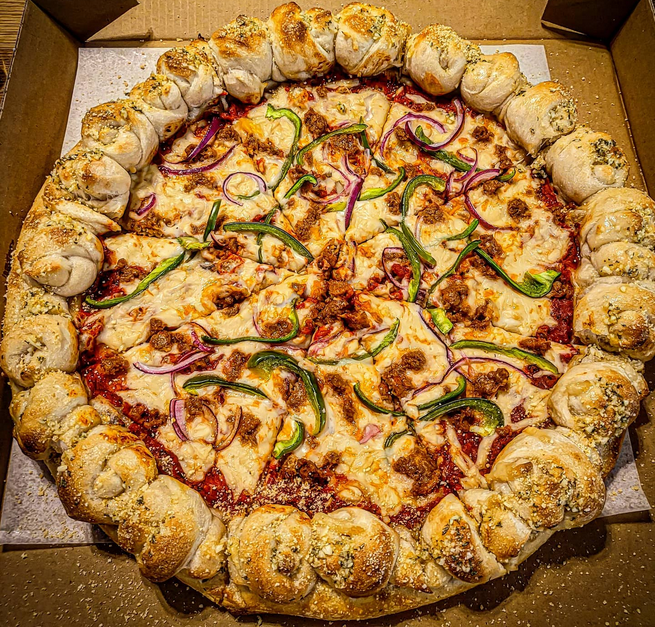
Eden Café offers up a wide range of delicious vegan dishes
including deep dish pizza, make-your-own salads, hearty sandwiches, desserts,
and more. Be sure to stop by this restaurant when in the Scranton/Wilkes Barre
Pennsylvania area.
Posted on
December 14, 2021 by
The VRG Blog Editor
photo from The Lafayette Place
The Vegetarian Resource Group maintains an online Guide to
Vegan/Vegetarian Restaurants in the USA
and Canada.
Here are some recent vegan restaurant additions. The entire guide can be found
here: http://www.vrg.org/restaurant/index.php
To support the updating of this online restaurant guide,
please donate at: www.vrg.org/donate
Here are some new additions to VRG’s guide (Note: Due to
the COVID-19 pandemic many are doing take-out
and/or delivery now):
Boca
Fresca, 676 Cherry St., Winter Park, FL 32789
Build your own Boca bowl with a Puerto Rican twist.
Options include apastelao, mofongo, pernil, coconut ranch, cilantro zest, and
more.
Dharma
Southern Kitchen, Market on South, 2603 E. South St., Orlando, FL 32803; Armature
Works, 1910 N. Ola Ave, Tampa, FL 33602; and Henry’s Depot, 212 W. 1st St., Sanford,
FL 32771
The orange bird, pulled jackfruit from Carolina BBQ,
Dharma Fried Chick’n, BBQ cauliflower, and more are offered. With sitting in
the front and a private garden in the rear with light music playing, the
ambiance is hipster, stylish, and relaxed. Parking is available both in front
and behind the building.
Hollycake
House, 300 Main St., Ste. 25, East Rochester, NY 14445
Hollycake House is a café-style cake house that not only
has gorgeous vegan cakes, but also vegan breakfast and lunch. Some of the cakes
they offer include Vanilla Cookies & Cream Cake and Chocolate Chip Cookie
Dough Cake. For breakfast and lunch they offer items such as Avocado Toast,
Fruit & Yogurt Parfait, and Chick’n Salad, as well as bakery items like jumbo
muffins and danishes. On their coffee menu, Holly Cake House has everything
from lattes to frappuccinos. Their bakery offers gluten-free options.
Koshari
Mama, 585 Somerville Ave., Somerville, MA 02143
Enjoy delectable Egyptian foods made with rice, lentils,
eggplants, chickpeas, pasta, and more that are all flavorful.
Meek’s provides a variety of pizzas, including Plug’s
Lawyer, Brunch, Mean Green, Big Chill, stuffed peppers, and more.
Secret
Vegan Café, 38 McEntee St., Kingston, NY 12401
Tucked away on a corner in the heart of a residential
neighborhood half a mile from the touristy Rondout area, this cozy café offers
quality Dutch and American comfort food.
With bright, down to earth décor including a beautiful mural of a tree
with birds, and both indoor and outdoor seating, Secret Vegan Café offers vegan
versions of both American fare like espresso, cheeseburgers, pancakes, and
apple pie, and the kinds of snacks you would be more likely to find late at
night in a bar in Amsterdam: the fluffy doughnut/beignet-like oliebollen fried
in avocado oil; and bitterballen, breaded and fried croquettes filled with
mushrooms rather than the traditional meats.
Made, like the rest of their menu, with locally sourced, Non-GMO and
mostly organic ingredients, these unique bitterballen are also shipped
nationwide through their brand Vegan Junk Food.
SomethinGood To Eat,
2210 Larchmere Blvd., Cleveland, OH 44120
Sweet fries, messy mac, BBQ jack mac, excellent bread,
nice nuggets, and salad are among the tasty foods served. Outdoor dining, as
well as a comfortable eating room and a contemporary interior.
The
Lafayette Place, 1978 N. Farwell Ave., Milwaukee, WI 53202
The Lafayette Place serves fruit bowls, veggie burrito,
southern Po’boy, soup, avocado toast, chorizo Joe, and more.
Posted on
December 14, 2021 by
The VRG Blog Editor
Recent topics brought up
include:
– Highlighted new vegan book for kids
– Shared vegan Thanksgiving Suggestions
– Sources for vegan non-leather boots for the family
https://www.facebook.com/groups/VRGparentsandkids is intended to be a
group that offers support for families raising children on vegan diets and for
vegan kids around the world. We envision it as a place to get advice about a
wide-variety of topics: pregnancy, birthday parties, school lunches, Halloween,
non-leather apparel, cruelty-free products, summer camps, and more. Please use
it as a place to share your wisdom, seek advice, or just find a sympathetic
ear. The goal is to offer support.
Consequently, any profane, defamatory, offensive,
or violent language will be removed. Feel free to disagree, but do so
respectfully. Hateful or discriminatory comments regarding race, ethnicity,
religion, gender, disability, sexual orientation, or political beliefs will not
be tolerated. We expect that posts should relate to vegan diets and lifestyles.
The Vegetarian Resource Group reserves the right to monitor all content and ban
any user who posts in violation of the above rules, any law or regulation,
SPAM, or anything otherwise off topic.
Please share this information
with any veggie families that you know! Thanks.
Posted on
December 13, 2021 by
The VRG Blog Editor
In honor of The Vegetarian Resource Group’s 40th anniversary next year, a member has pledged a $5,000 match. So your donation to support vegan education will be doubled. You can donate at www.vrg.org/donate and write MATCH in the comments area. Thank you!
Posted on
December 13, 2021 by
The VRG Blog Editor
By Reed Mangels, PhD, RD
A reader contacted us because their nonvegan friends were
saying that there was no need to avoid cheese or whole-fat dairy products even
though these foods are high in saturated fat. There’s been some talk in the
popular press lately about whether saturated fat is harmful and whether the
saturated fat in dairy products is an issue.
Saturated fat is a kind of fat that is most often solid at
room temperature, unlike oils, which are liquid. Foods like red meat, cheese,
whole milk, ice cream, butter, lard, and tropical oils (palm, palm kernel, and
coconut oil) all have high amounts of saturated fat. Despite being oils,
tropical oils are very high in saturated fat (1).
Diets high in saturated fat are associated with higher blood
levels of LDL cholesterol, which increases risk of heart disease. Additionally,
a diet high in saturated fat makes it more likely that cholesterol will build
up in blood vessels, leading to a greater risk of heart disease and stroke. A
meta-analysis of high-quality research studies in which saturated fat was
replaced with unsaturated fat found that heart disease risk was reduced by
about 30%, similar to the risk reduction when statin drugs are used (2).
Because of the evidence for harmful effects of saturated fat, Dietary Guidelines for Americans, 2020-2025,
recommends that those age 2 years and older get less than 10% of their calories
from saturated fat (3).
Although dairy products can contain significant amounts of
saturated fat (more than the upper limit for saturated fat for an entire day in
a cup of premium ice cream), some research does not find higher risk of heart
disease associated with greater use of higher fat dairy products (4). Additionally,
one study did not find an association between higher blood levels of fats from
dairy products and increased risk of heart disease in older adults (5). Of
course, many other factors such as overall dietary composition could have
affected these results. Other studies show that replacing the saturated fat
from dairy products with vegetable fat is associated with a lower risk of heart
disease and stroke (6). In one study, replacing as little as 5% of a day’s
calories from dairy fat with unsaturated fat was associated with a 24% lower
risk of heart disease (7).
Plant foods (other than tropical oils) are lower in
saturated fat than dairy products and meat and are a healthier choice. The
limited amount of saturated fat in many vegan diets could help to explain why
vegans are less likely to die from heart disease than are nonvegetarians.
References
1. Eyres L, Eyres MF, Chisholm A, Brown RC. Coconut oil
consumption and cardiovascular risk factors in humans. Nutr Rev.
2016 ;74:267-80.
2. Sacks FM, Lichtenstein AH, Wu JHY, et al; American Heart
Association. Dietary fats and cardiovascular disease: A Presidential Advisory
from the American Heart Association. Circulation.
2017; 18;136(3):e1-e23.
3. U.S. Department of Agriculture and U.S. Department of
Health and Human Services. Dietary Guidelines for Americans, 2020-2025. 9th
Edition. December 2020. DietaryGuidelines.gov
4. Hirahatake KM, Astrup A, Hill JO, Slavin JL, Allison DB,
Maki KC. Potential cardiometabolic health benefits of full-fat dairy: The
evidence base. Adv Nutr. 2020;11(3):533-547.
5. de Oliveira Otto MC, Lemaitre RN, Song X, King IB,
Siscovick DS, Mozaffarian D. Serial measures of circulating biomarkers of dairy
fat and total and cause-specific mortality in older adults: the Cardiovascular
Health Study. Am J Clin Nutr. 2018;108(3):476-484.
6. Yu E, Hu FB. Dairy products, dairy fatty acids, and the
prevention of cardiometabolic disease: a review of recent evidence. Curr
Atheroscler Rep. 2018;20(5):24.
7. Chen M, Li Y, Sun Q, et al. Dairy fat and risk of
cardiovascular disease in 3 cohorts of US adults. Am J Clin Nutr.
2016;104(5):1209-1217.
Posted on
December 10, 2021 by
The VRG Blog Editor
By Reed Mangels, PhD, RD
The American Heart Association recently issued a scientific
statement “2021 Dietary Guidance to Improve Cardiovascular Health.” This
statement replaces their earlier recommendations which were published 15 years
ago. While the focus of this statement is heart health, it also considers
dietary effects on cancer, diabetes, kidney function, and Alzheimer’s disease
as well as environmental effects of food choices.
Based on all of these considerations, the American Heart
Association recommendations include:
“Choose healthy sources of protein – mostly
protein from plants (legumes and nuts)”
“Eat plenty of fruits and vegetables, choose a
wide variety”
“Choose foods made mostly with whole grains
rather than refined grains”
While these guidelines do not call for a vegan or vegetarian
diet, they do encourage choosing more plant foods and illustrate the importance
of plant foods for a healthy diet.
These guidelines also address ultra-processed foods and say,
“Choose minimally processed foods instead of ultra-processed foods” with the
caveat that some healthy foods may be categorized as ultraprocessed. In
contrast to the Dietary Guidelines for Americans, 2020-2025 issued by the U.S. Department of
Agriculture and U.S. Department of Health and Human Services a year ago, the
American Heart Association guidelines address the environmental impact of
commonly consumed animal products, especially red meat.
Posted on
December 10, 2021 by
The VRG Blog Editor
Octopuses, crabs, and lobsters are capable of experiencing pain or suffering, according to a review commissioned by the UK government, which has added them to a list of sentient beings to be given protection under new animal welfare laws. The report by experts at the London School of Economics looked at 300 scientific studies to evaluate evidence of sentience, and they concluded that cephalopods (such as octopuses, squid and cuttlefish) and decapods (such as crabs, lobsters and crayfish) should be treated as sentient beings.
The report said lobsters and crabs shouldn’t be boiled alive.
The Vegetarian Resource Group (VRG) is a non-profit organization dedicated to educating the public on veganism and the interrelated issues of health, nutrition, ecology, ethics, and world hunger. We have been helping health professionals, food services, businesses, educators, students, vegans, and vegetarians since 1982. In addition to publishing the Vegan Journal, VRG produces and sells a number of books.
Sign up for our newsletter to receive recipes, ingredient information, reviews of new products, announcements of new books, free samples of products, and other VRG materials.