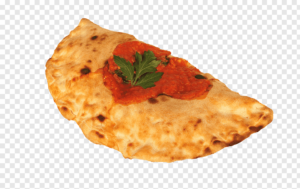
Doesn’t vegan pizza and calzones sound like the perfect comfort food during
a pandemic? Debra Daniels-Zeller’s Vegetarian Journal article
“Dairy-Free Pizza & Calzones” serves up these delicious recipes that you
can prepare in your own home:
My high
school internship with The Vegetarian Resource Group (VRG), which took place
over the 2020-2021 school year, was a fantastic experience. While VRG
internships typically occur in an in-person workplace, my internship was
entirely virtual due to the COVID-19 pandemic. Before applying for the
internship, I was unsure of what kind of internship I wanted and if I would
even be able to find one during COVID-19. However, it did not take many Google
searches before I found VRG. Having been vegetarian for three years and vegan
for about a year, I knew I wanted to get more involved with the veggie
community but was unsure how – interning for VRG was the perfect opportunity.
Working for VRG allowed me to get involved, discover interests within the food
studies field, and develop critical workplace skills.
Even before my internship began, Charles
Stahler, my supervisor, reached out to me during the summer and gave me a list
of every assignment I would be doing, and instructed me with building a plan
for the next six months. At first, having to digitally map out my work calendar
seemed overwhelming and a bit intimidating, but it became a beneficial
experience, as it taught me how to time-manage and plan for months’ worth of
online projects.
Soon after starting, Debra, one of Vegetarian Journal’s editors, asked me
to help with The VRG country-wide online restaurant guide – researching a
different restaurant each week and filling out a template with the restaurant
type, address, menu, etc. Working on the restaurant guide was simple, but with
each entry, I felt productive. Not to mention how great it was to see all the
unique vegan dishes that so many restaurants had to offer.
Not long after, I began writing my first
article. The topic was a teen FAQ, and I wrote about going vegan while living
in an omnivorous household. I had never written an article, and it proved to be
a valuable experience in developing my writing voice. In the article, I talked
about my own experience going vegan with an omnivorous family and provided the
reader with steps to do the same. I even had two of my vegan friends provide
some of their own insight!
One aspect of the internship that I enjoyed
was how centralized it was around cooking. During the internship, one of the Vegetarian Journal editors, Rissa,
invited me to write for the Veggie Bits column of the VRG magazine. The first
Veggie Bits I completed was a review of four different variations of a
veggie-based pasta. I got to cook each pasta and write a review at the end.
Aside from Veggie Bits, Rissa also provided me with different Vegetarian Journal recipes to test and
provide feedback on. Some of my favorite recipes that I tried for her were a
BLT made from rice paper, tofu benedict with hollandaise sauce, and maple oat
milk popsicles!
While the internship was virtual, I still
had great opportunities to collaborate with others and develop strong online
communication skills. In one instance, a student at Loyola University reached
out to me, asking for my opinion on some vegan food advertisements. I sent her
a few sentences of commentary for each ad, and she was able to use those in an
article she was writing. On another occasion, I compared the experiences of
three vegan teens in three different regions of the United States. I
interviewed two interns through email about their experiences as vegan teens. I
then compiled their answers and my own answers into an article. It was a unique
experience, as I got to talk to fellow vegan teens and gain insight into what
it’s like to be vegan in different parts of the country.
One of the last assignments at VRG was
reviewing my favorite Baltimore restaurant, One World Café. This was an especially
fun assignment as I got to ramble about all the yummy foods they have. One
World Café is such a staple restaurant for me as a vegan; I was glad I had the
opportunity to encourage others to try it.
Whether I was writing cookbook reviews,
restaurant reviews, essay commentary, articles, or was testing new recipes – my
internship at VRG was an exciting step into the world of vegan advocacy and
food studies. I look forward to applying what I’ve learned at VRG in my future
studies as a Global Public Health and Food Studies student at NYU next school
year.
If you’ve ever wondered if your vegetable consumption is
similar to that of the average American, you will enjoy scrolling through
reports from the United States Department of Agriculture (USDA). The USDA keeps
records of how much food is available each year, on average, for each person in
the United States. They do this by tracking domestic production, initial
inventories, and imports of a particular food (for example broccoli) and then
subtracting exports and end-of-year inventories. The national supply is divided
by the U.S. population to calculate an estimate of food availability per
person. While these estimates of food availability cannot tell us how much of a
food an individual person eats, they provide an estimate of what is available
for the average American individual. These estimates can be used to identify
trends in food production.
The most recent report looks at the years 2000 to 2019. The
part of the report that examines vegetables shows that over these two decades, the
total amount of vegetables available decreased by 4 percent from 417.4 pounds
per capita to 400.1 pounds. These totals include fresh, frozen, canned, and
dried forms of vegetables.
The largest increase in vegetable availability was in the
red and orange subgroup which includes sweet potatoes, chile peppers, and bell
peppers. In 2019, 49 pounds of these foods were available per capita, compared
to 35.1 pounds in 2000. Dark green vegetable availability also increased going
from 21.7 pounds per capita in 2000 to 27.5 pounds in 2019. This subgroup
includes broccoli, kale, spinach, and romaine and leaf lettuce.
More legumes were available in 2019 – 11.1 pounds per capita
compared to 8.5 pounds per capita in 2000.
It’s encouraging to see that more red and orange and dark
green vegetables and legumes are available since these are important sources of
nutrients such as vitamin A, vitamin C, iron, and zinc.
Other vegetables with greater availability over the past 20
years include
Asparagus 1.3 lbs/capita à 1.9 lbs/capita
Brussels sprouts 0.3 lbs/capita à 0.8 lbs/capita
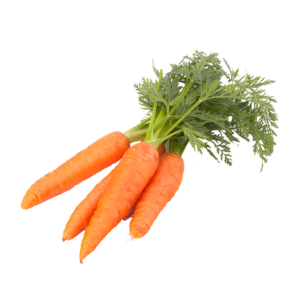
Carrots 13 lbs/capita à 16.6 lbs/capita
Kale 0.4 lbs/capita à 1.1 lbs/capita
Squash 4.4 lbs/capita à 5.9 lbs/capita
And with lower availability:
Lima beans 0.56 lbs/capita à 0.37 lbs/capita
Cabbage 10.3 lbs/capita à 7.1 lbs/capita
Corn 27.1 lbs/capita à 18.9 lbs/capita
Green peas 3.7 lbs/capita à 1.9 lbs/capita
White potatoes 138 lbs/capita à 119.1 lbs/capita
It’s fun to speculate about what led to these changes.
The Vegetarian Resource Group maintains an online Guide to
Vegan/Vegetarian Restaurants in the USA
and Canada.
Here are some recent vegan restaurant additions. The entire guide can be found
here: http://www.vrg.org/restaurant/index.php
To support the
updating of this online restaurant guide, please donate at: www.vrg.org/donate
Here are some new
additions to VRG’s guide (Note: Due to the COVID-19 pandemic many are doing take-out
and/or delivery now):
Apron Strings, 434 Porter Ave., Ocean
Springs, MS 39564
Located in the
greater Biloxi area, Apron Strings is a fully-vegan bakery with a rotating menu
of lunch foods offered as grab-n-go items. A small selection of retail products
is available as well. Diners rave about the cupcakes and po-boy sandwiches.
Parking is available in front.
Bar Vegan, Ponce City Market, 675
Ponce de Leon Ave. NE, Ste. N-215, Atlanta, GA 30308
This
minority-woman-owned bar and lounge (from the same owner as popular restaurant
Slutty Vegan) is upstairs in the Ponce City Market Food Hall, which has a
number of other cocktail bars and wineries.
It has a cool, classy ambience, with a DJ, velvet chairs, and big screen
TVs. Bar Vegan serves a very wide range of drinks, specializing in cocktails
combining nutritious vegan ingredients with alcohol. Vegan food — a delicious
Vegan Philly cheese steak and tater totz — is also available, under the ‘Dinkies’
label. Food and soft drinks can be ordered to go from a take-out window as well
as for eating in the bar.
Eliza’s Vegan Café, varies, Florence,
SC
This fully vegan
café focuses on organic, local café dining—“on wheels”! As a food truck, you
can see their locations and schedule on their website or social media accounts.
Order can range from popcorn chicken salad, bacon cheeseburgers, three layered
lasagna, and much more!
GuacStar, 920 E. University Dr. #204,
Tempe, AZ 85281
GuacStar is a
refined way to eat Mexican plant-based cuisine. They “want to make healthy food
sexy.” They have a great variety of flavorful tacos, rice, nachos, desserts,
and drinks. Examples include: Tres Leches Cake, Seasonal Guacamole, Chimi
Cheeseburger, and La Casa Maragarita. Located in the heart of downtown across
the street from Arizona State University Campus.
MeDiet Café, 7293 W. Sahara Ave.,
Ste. 8, Las Vegas, NV 89117
MeDiet Café has a
unique and heartwarming story, as the founder’s mother inspired him to always
eat healthy. He dealt with cancer, which further made him want to promote
healthy eating with blogs and his variety of healthy items offered at his cafe.
MeDiet has wonderful options of pancakes, acai bowls, juices, smoothies, tacos,
soups, and more. Examples include: Cauliflower taco, avocado BLT, vegan cake
pops, French onion soups, and blueberry pancakes. Located near Spring Valley in
Las Vegas, this definitely is a hot place to check out!
Planta, Rosemary Square, 700 South
Rosemary Ave., Ste. 142, West Palm Beach, FL 33401
Planta promotes
environmental sustainability. Their menu includes vegan sushi, their signature
Planta burger, spicy lumaconi pasta with cashew mozzarella, and unique pizza
combinations (gluten-free dough available). Several items are available to
share with friends including cauliflower tots with truffle almond parmesan.
Planta has an outdoor bar.
They serve
smoothies, bowls, wraps, quinoa, sandwiches, black bean burgers, soups, salads,
beverages, and desserts. The BBQ’d jackfruit and “el vegano” salad look
particularly delicious and the “rotating” desserts may be worth the visit
alone.
Yummvees, 3511 Courthouse Rd.,
Richmond, VA 23236
Their brunch menu
offers main, sides, and sauces and the dinner menu includes small plates, soup
& salad, sandwiches, main dishes, sides and sauces, desserts, and
smoothies. You might want to order artichoke lasagna or the butternut squash
mac and cheese.
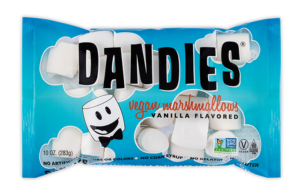
Dandies Marshmallows are delicious and vegan. They roast
wonderfully over any campfire and can be used to make S’mores with vegan graham
crackers and chocolate. Be sure to grab some the next time you go camping. For
more information see: https://dandies.com/
Naina wrote, “In my 9th grade year, I noticed
that students at my school were unable to engage in science due to the minimal
educational opportunities present in my rural town in northwestern Arizona. Also, many
students had not yet established a connection with the intricacies of the
natural world outsides of sports such as hunting and fishing. I knew that I
needed to find a way to interest students in the ecological sciences and then
develop an appreciation of the beauty and peace of nature outside of these
destructive practices.”
“I first applied for and won a $500 grant from the Sodexo Stop Hunger Foundation, which I used to buy plants, supplies, and tools. I assembled a team of high school students and began breaking ground in a deserted area at the edge of my school’s campus. At first, the rocky terrain, insecure water connection, and oven-like climate threatened to stall the garden’s progress. However, I planned a winding canal system to store and supply water for the trees, bushes, and crops growing in the garden, and installed a greenhouse and raised beds for various varieties of plants.” … “We have grown peaches, plums, apples, blackberries, raspberries, strawberries, tomatoes, cilantro, spinach, broccoli, onions, corn, and okra to name a few … Any students who have worked in the garden and helped during our planting season can take home and give away the produce they have grown.”
“When I go to college at the end of this year, I plan to
entrust the Garden to my school for its upkeep. I have established a garden
club which under the supervision of my science teacher will look after it.”
“In my 11th grade, I also pioneered a salad bar
in my school district cafeteria.” “I conducted a survey of all students and
faculty at my high school to determine the impact a new salad bar would have on
our school cafeteria … I sent a memo to the school district administration to
introduce my plan. I then assembled a salad bar needs assessment committee that
included my culinary teacher, faculty members, and student representatives. We
brainstormed ideas for the salad bar’s offerings, determined the new lunch line
procedures, and set the school days the salad bar would be in operation. I
scheduled a meeting with my district’s principal and superintendant where I
presented the survey results, and addressed my plan to move forward with the
salad bar … I also proposed the equipment necessary to store and serve the
salads. After hearing my ideas, the administration quickly approved the project
and allocated funds to purchase a two-door self-serve salad station for the
cafeteria.”
“Monday, March 16th was the Salad Bar’s Grand
Opening Day. Flyers were sent to students across the school district, and a
school newspaper article detailing the unveiling of this new cafeteria addition
was already in circulation. Then, the COVID-19 pandemic ground all school
operations to a halt. Classroom learning migrated to the cloud, and months
passed without a single student stepping foot on campus. My vision to implement
a salad bar at my school had been paused … (Then) I was elated to hear that I
could begin the salad bar in a new school year, but knew that I would have
to recalculate its setup. Once the school
year began, I met with the salad bar needs assessment committee and decided to
send an online order form every morning to faculty and students, enabling them
to select the options they would like on the salad bar, and then coordinate
with the culinary department to pre-assemble the individualized salads. As I
worked with other culinary students in the morning, reading orders and
portioning salads while wearing gloves, masks, and keeping a safe distance, I
gained hope in the fact I could make my goals a reality.”
“My school was a tough place to implement a salad-bar
project as most of the students and staff come from ranching and farming
backgrounds, and meat is always a part of their diet.” The salad bar was open
to students from September to December last year. Then the salad bar was only
for faculty due to the COVID-19 restrictions. After its success, it was
implemented for everyone. “This week I began the salad bar in person and
participants can now order and pick up their salads in my school’s cafeteria.
Earlier approximately 200-300 students ordered from the salad bar, and the most
popular toppings were the roasted nuts and cranberries, and crunchy spiced
lentils. Previously, all of the salads were distributed in pickup boxes to
prevent COVID-19 contamination. Now, my school district has allowed the salad
bar to operate-in-person. I am working with other students at my school to take
orders and create the salads-in-person in my school cafeteria.” Naina made sure
that options such as nuts and baked tofu were available.
Naina hopes to become a neurosurgeon and recommend
vegetarian diets to her patients.
The deadline for the next scholarship contest for high
school seniors graduating in 2022 is February 20, 2022. To see rules and other
scholarship winners, visit vrg.org/student/scholar.htm
To support additional scholarships and internships, donate
at vrg.org/donate, call (410) 366-8343,
or send donations to VRG, P.O. Box 1463, Baltimore, MD 21203.
The Vegetarian Resource Group maintains an online Guide to
Vegan/Vegetarian Restaurants in the USA
and Canada.
Here are some recent vegan restaurant additions. The entire guide can be found
here: http://www.vrg.org/restaurant/index.php
To support the
updating of this online restaurant guide, please donate at: www.vrg.org/donate
Here are some new
additions to VRG’s guide (Note: Due to the COVID-19 pandemic many are doing take-out
and/or delivery now):
Dom’s, 134 North Spruce St.,
Winston-Salem, NC 27101
They have small and
large plates including several cauliflower dishes, nachos, crab cakes, burgers,
BBQ, chicken, and a few pasta dishes. Kombucha, lemonade, and other drinks, as
well as dessert are also available. Some menu items can be made gluten-free on
request. It is an interesting combination of Asian, Italian, and traditional
vegan fare.
Dunedin Vegan Deli, 2340 Main St.,
Clearwater, FL 33763
They offer a
selection of breakfast foods, wraps, burgers, subs, sandwiches, salads, pizza,
and wings, as well as a separate menu of gluten-free items. You can also buy
deli “meats” by the pound. They also sell hard to find vegan grocery items and
a huge selection of drinks. Sandwiches are mostly made with house made seitan.
Grown Together, 209 E. Mills Ave., El
Paso, TX 79901
Order from Grown
Together to experience El Paso, TX’s first vegan food preparation facility,
which is focused on health, fully vegan dining. They offer a range of cuisine
types and respective nutritional information for all of their offerings. Five
or more meals must be ordered for delivery and the weekly menu is released
every Friday.
Indigo Burger, 5743 Stevenson Blvd.,
Newark, CA 94560
They offer
“In-N-Out” style burgers, sandwiches, and fries, all with house-made sauces.
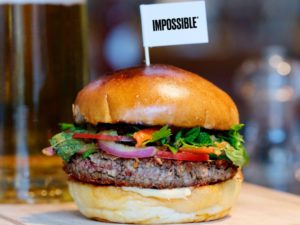
They also have vegan chicken, tacos, smoothies, and other drinks. The Loaded
Fries with Impossible Meat Crumbles, caramelized grilled onions, jalapeños, and
house nacho cheese sauce made with potatoes and carrots sound particularly
inviting. From the look of things on their Instagram page, you won’t go away
hungry!
Juicilicious, 224 North Broadway,
Salem, NH 03079
Juice bar offering
mostly organic, gluten-free, and raw drinks and food. They serve a wide variety
of juices, smoothies, tropical bowls, toasts, salads, and wraps. They use
locally grown produce and items from local businesses as much as possible.
Mucho Gusto, #1 Calle Muñoz Rivera,
Trujillo Alto, PR 00976
At this ice cream
and dessert kitchen, all offerings are vegan and gluten-free—and also made from
scratch! Mucho Gusto can be found in front of Trujillo Alto’s Codepola and
Funeraria Piñero Memorial. From classic vanilla to guava to sunflower
stracciatella, Mucho Gusto offers many flavors of ice cream that can also be
accompanied by cookies and cakes.
Phatties, 242 W. Mission Ave., Ste.
D, Escondido, CA 92025
They offer
appetizers, salads, burritos, taquitos, quesadillas, a taco bar, dessert, and a
kids menu. Their tortillas are handmade and their Black Bean Tortilla Salad
sounds great!
Plant Base Café, 1372 Vegas Verdes
Dr., Santa Fe, NM 87507
Serves Mexican,
American, and Italian meals. Mexican dishes include Loaded Nachos with
house-made chips, Queso Flameado with a veggie protein of your choice, and
Tostadas. American dishes include Burgers, Avocado Toast, and Buffalo Cauliflower
Wings. Finally, Italian dishes include Spaghetti with your choice of sauce,
Build Your Own Pizza, and Caprese Salad. Don’t forget a dessert on the way out!
I feel lucky to have been able to work as an intern for The
Vegetarian Resource Group during the Spring 2021 semester. I hoped to do an
internship as part of my Master of Arts in English, but due to the pandemic, my
school’s listed opportunities were much more limited than usual, and often
required hours that wouldn’t work for my schedule, since I have a full-time
job. As a result of these factors, finding an internship placement seemed like
a challenge, but as it turns out, the answer was closer than I’d imagined. Over
the previous several months, I’ve been receiving copies of Vegetarian
Journal as a perk of my membership with The VRG. Many of the issues
featured interns writing about their work with the group, and recent such
columns indicated that a remote internship might be possible.
Fortunately, it
was. I was able to work remotely from my home office, writing articles,
learning about layout and copyediting, and getting a better understanding of
the nonprofit world. Not only did the internship represent an opportunity to
work with an organization whose mission I care about, and to learn hands-on, it
also allowed me to further develop skills I’d learned in my classes, through
taking a grant-writing workshop and writing several pieces, from restaurant
guide listings to articles for the VRG.org blog and for Vegetarian Journal.
The tastiest parts of this experience were when I got to write a review of a
local restaurant, try fishless tuna for a Veggie Bits review, and sample
recipes from Vegan Boards, a new cookbook I had the chance to review.
The internship
lasted for fourteen weeks, and for the last few of these, I focused on two more
in-depth projects related to The VRG’s upcoming 40th anniversary in
2022: an article about former scholarship winners, and one about former
volunteers and employees. These projects required a lot of legwork, in terms of
tracking down current contact information and getting in touch with people to
get answers to my questions for the articles, and then putting everything
together. While writing them was somewhat challenging, it was ultimately very
rewarding.
In communicating
with individuals who’d worked at some point with The VRG in some capacity, I
was impressed by the universal esteem for the organization. People told me how
much they loved The VRG, respected its work, and thought fondly of it. One
frequent comment was of appreciation for The VRG’s grounding in science. The
evidence-based ethos of the organization has been part of its identity from the
beginning and has contributed to its reputation as a trustworthy resource
today.
As an intern, I
can also say that The VRG is an incredibly supportive organization to work for.
I, and other previous interns, appreciate that the coordinators allow each
individual to pursue their own interests through their work, and connect them
to opportunities related to these interests.
While my
internship is ending and graduation is finally in sight, my involvement with
The VRG is just beginning. I plan to continue volunteering by writing articles
and helping with projects, and maybe someday soon I will be able to visit Baltimore and thank them
in person.
For more information about interning with The Vegetarian
Resource Group, see vrg.org/student/index.php
The Vegetarian Resource Group (VRG) is a non-profit organization dedicated to educating the public on veganism and the interrelated issues of health, nutrition, ecology, ethics, and world hunger. We have been helping health professionals, food services, businesses, educators, students, vegans, and vegetarians since 1982. In addition to publishing the Vegan Journal, VRG produces and sells a number of books.
Sign up for our newsletter to receive recipes, ingredient information, reviews of new products, announcements of new books, free samples of products, and other VRG materials.