“I’ve written
another column about Maine’s lost vegetarian history, which appears in today’s Maine Sunday Telegram, and I thought you
might be interested. In this column. I discuss ideas expressed in Maine’s first
pro-vegetarian publication, the Pleasure
Boat, an alternative weekly newspaper which began publication in 1845 and
continued until 1862.
The Pleasure Boat was published by radical
reformer and missionary Jeremiah Hacker, who advocated in favor of many
reform efforts including abolition, women’s rights and temperance — all closely
tied to the era’s vegetarian movement.
In the July
20, 1854 edition, for example, Hacker linked meat consumption to the oppression
of women, writing: “Just look at the slavery that perverted appetite imposes on
women! Three times a day, in hot weather, they must fire up the cookstove to
roast, boil or fry flesh, and prepare hot tea or coffee, to fire the blood! When
a brown loaf, and a pitcher of water from that cool fountain, with a handful of
plums or fruit of some kind, would furnish a cooling and more nourishing
repast.”
Chef Nancy Berkoff serves up creative vegan “meatball” recipes in a previous
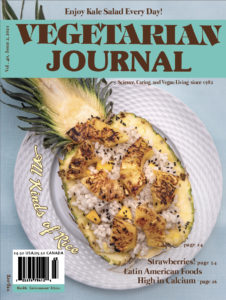
Vegetarian Journal article. Enjoy these options: Oktoberfest Roulades
(Sauerkraut and Tofu Balls in Mustard Sauce); Mushroom and Hazelnut Snacking
Balls; Walnut Lemon Balls; Veggie Balls; Whole Wheat
Neatballs; Tofu Balls; and for dessert, try Good and gooey Peanut Butter Balls.
Honor your mom and support vegan restaurants in the USA and Canada at the same time! Visit https://www.vrg.org/restaurant/index.php for a list of veggie restaurants, many of which are offering specials for Mother’s Day.
A Relaxing Weekend Brunch by Peggy Rynk offers recipes for Cranberry Tea
Punch, Tofu Scrambled “Eggs,” Smoky Scrambled Tofu, Apple “Sausage” Stir-Fry
with Beans, Grits Italiano, Lemon Syrup, Oatmeal Pancakes, Strawberry Pancakes,
Jamaican Gingerbread, Breakfast Banana Cake, and Stovetop Rice Pudding. To read
the entire article previously published in Vegetarian Journal, visit: https://www.vrg.org/journal/vj2009issue1/2009_issue1_weekend_brunch.php
Super Savory Breakfasts by Debra Daniels-Zeller provides recipes for Curried
Potatoes and Yams with Hummus in Pita Bread, Quinoa-Millet Pilaf with Winter
Squash, Individual Breakfast Pizzas, Orange-ginger Red Lentils, Scrambled Tofu,
Early Riser Marinated Tofu Sandwich, Glorious Greens Bisque with Steamed
Tempeh, and Balsamic White Beans and Greens with Whole Grain Tortillas. To read
the entire article previously published in Vegetarian Journal, see: https://www.vrg.org/journal/vj2004issue1/2004_issue1_breakfasts.php
In addition to The Vegetarian Resource Group’s quarterly vegan magazine (Vegetarian Journal), VRG publishes a national email newsletter called VRG-News each month. Vegan news is so vast these days that we saw the need to publish more than can fit in our quarterly magazine.
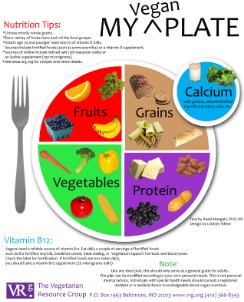
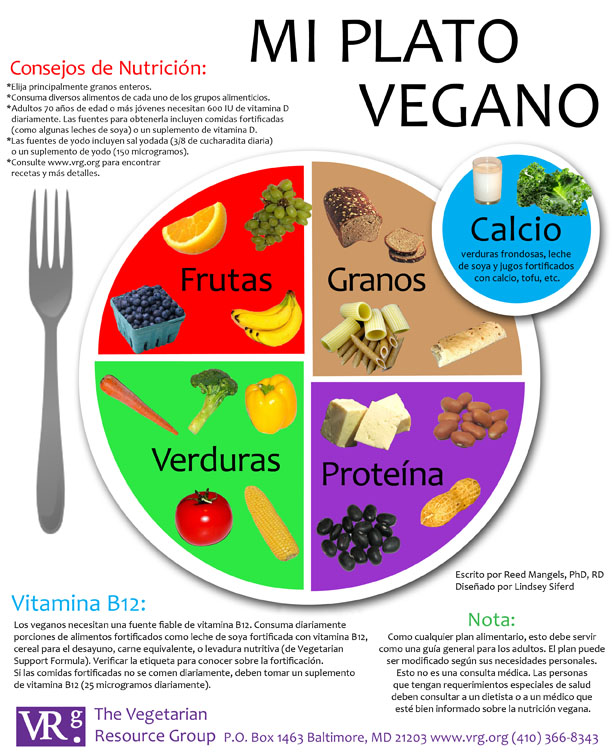
Nothing beats a simple graphic to get the vegan message out! The Vegetarian
Resource Group created My Vegan Plate to display on outreach tables at
various events. If you live in the United States, you can request copies of
this handout to distribute by emailing us at [email protected]
Summer is not too far off and
we may be thinking about creating cool foods very soon. Before we close the
kitchen for the summer months, let’s think about using dill in savory dishes.
Dill has been around the culinary scene,
since, well, there WAS a culinary scene. Dill is referred to in the Old
Testament and The Romans believed the inclusion of dill in a meal would bring
joy and pleasure. Dill oil, obtained from pressing dill seeds, was used in
medieval Europe as a medicine and antiseptic.
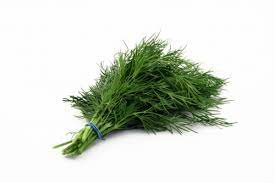
Fresh dill is usually available, packaged,
in the produce section of the grocery store or sold as willowy green bouquets
at farmers markets. Look for deep green, feathery leaves with a firm stem. The
leaves may be slightly wilted, as this tends to happen immediately upon
harvesting. Slightly wilted is okay, just avoid pale green, yellow, or
dried-out looking leaves. Dill has a faintly fennel-like aroma (think:
licorice) and should never smell moldy or earthy. Fresh dill is quite fragile,
so it definitely needs to be stored in the refrigerator. To prevent drying,
make yourself a little dill bouquet and place it in a small vase or glass
filled with cold water. For less artistic storage, cover dill with damp towels.
If, however, you go overboard and do too much dill acquiring, you can dry dill
for later use in a microwave or low oven (an oven set to about 200 degrees), by
placing it single-layered on baking sheets or microwaveable sheets. When fresh
dill is not available, dried dill will have to do. Dried dill is sold as dill
weed or dill seed. Do not keep dried dill for more than four months (stored in
a cool, dry, dark place), as its delicate flavor will dissipate. Remember for dried
herbs, we use half as much as for fresh herbs. So, for example, if a recipe
calls for one Tablespoon of fresh dill, we would use ½ Tablespoon of dried
dill.
Dill can go anywhere: in dough, batters,
soups, stews, sauces, and salads. Fresh dill adds a subtle, caraway and fennel
flavor to foods. Add dill at the end of cooking for the best flavor impact.
Think you haven’t ever tasted dill? Think dill pickles and many salad
dressings. Add dill to vegan cream cheese, sour cream, or plain yogurt for a sandwich
spread or vegetable dip. Dill perks up the flavor of beets, cucumbers, cabbage,
cream sauces, tofu, and veggie and grain stews Dill might have been the secret
ingredient in many a comforting broth and soup!
Enjoy the following recipe!
Dill and Mustard Salad Dressing
(Makes about 1 cup)
1 Tablespoon silken tofu 2 Tablespoons prepared mustard 2 teaspoons orange juice concentrate 2/3 cup oil (sunflower or vegetable oil) 2 Tablespoons white wine or champagne vinegar 3 Tablespoons chopped fresh dill 2 teaspoons white pepper
Place tofu, mustard, and
orange juice concentrate in the canister of a blender. Process until just
blended. With the blender running, drizzle in oil until the texture you would
like is attained. Add vinegar, dill and pepper, then blend on high for 30
seconds. Refrigerate for at least one hour before serving.
The Vegetarian Resource Group (VRG) is a non-profit organization dedicated to educating the public on veganism and the interrelated issues of health, nutrition, ecology, ethics, and world hunger. We have been helping health professionals, food services, businesses, educators, students, vegans, and vegetarians since 1982. In addition to publishing the Vegan Journal, VRG produces and sells a number of books.
Sign up for our newsletter to receive recipes, ingredient information, reviews of new products, announcements of new books, free samples of products, and other VRG materials.