The Vegetarian Resource Group is a vegan activist non-profit
organization that does outreach all-year-long. For example, VRG responds to the
public’s questions every day and sends literature free of charge to other
groups/individuals doing educational activities in schools, hospitals, camps,
restaurants, libraries, offices, etc. Our ability to continue doing this
depends on people like you! Your donations allow us to promote the vegan
message whenever we’re called upon for assistance. Please consider becoming a
monthly or quarterly donor to The Vegetarian Resource Group.
During these challenging times, thanks so much for your support.
You can donate online here: vrg.org/donate
Here’s a list of some companies offering dehydrated vegan meals that you can
take on your next backpacking trip:
Backpacker’s Pantry: Search
under the word vegan and many meals will come up including Organic Blueberry
Walnut Oatmeal; Kathmandu Curry; Cuban Coconut Rice & Black Beans; Pad
Thai; and Three Amigos Veggie Stew.
Firepot
Choose vegan in the dropdown menu of this United Kingdom company and you’ll see
that they offer meals including Cal and Rice with Spinach; Vegan Orzo
Bolognese; and Posh Baked Beans.
Food
for the Sole: Search under vegan and meals such as Ratatouille with Nutty
Quinoa Pilaf; Triple Peanut Slaw; and Cinnamon Cherry Crisp will come up.
Good to Go:
Choose vegan under type of diet and many meals will be listed including Herbed
Mushroom Risotto; Smoked Three Bean Chili; Kale and White Bean Stew; and
Bimimbap.
Marlie said, “I was born vegan, so I really had no option.
However, many of my friends that were also vegan since birth are no longer
vegan which deeply saddens me … I chose to stay vegan because my grandma is a
holocaust survivor and the images she has described parallels with what happens
to animals for “food.” I see the sadness in my grandmother’s eyes when she
tells the stories.”
Growing up Marlie
attended dozens of protests. At 6-years-old, she brought vegan snacks to a
school events for the kids to try. Marlie was The Ravens Corps first “Lead
Raven” in Florida. Following the onset of the pandemic, and activities were
forced online, Marlie stepped up to be a guiding force for their virtual
community, launching ‘The Animal Protection Corner,’ a space for youth to
convene collaborate, and organize over a shared interest in animal rights and
activism.
Marlie used her video skills to produce videos for Jonathan Balcombe (author of What A Fish Knows), Crustacean Liberation, and promotion for vegan restaurant Umami Gorilla. She’s a mentor for Vegan Outreach, brings students to stores, shows them vegan options, and gives them ideas for meals. She has written a book about fish for young children, and is now working on the illustrations.
In the future
Marlie hopes to use a degree in film to make people more aware of the horrors
that billions of animals go through for people to eat. Her perfect life in 5
years would be … to start working on expose film of the animal agriculture
industry and where everyone is kind, compassionate, and vegan (of course).
For information on other winners and applying for the next
Vegetarian Resource Group college scholarship contest with $20,000 in awards,
see: https://www.vrg.org/student/scholar.htm
Next year’s deadline is February 20, 2022.
To support additional VRG scholarships and internships,
donate at vrg.org/donate, call (410) 366-8343, or mail
contribution to The Vegetarian Resource Group, P.O. Box 1463, Baltimore, MD
21203.
– Does anyone know recent research or surveys that show how
many 8 to 13-year-olds are vegetarian? (Asking for an eco- soul-conscious kids
vegetarian cookbook author.) – VRG shared their recent poll figures: https://www.vrg.org/nutshell/Yougov2021youthteenwriteup.pdf
– Impossible Foods has secured Child Nutrition Labels for
Impossible Burger, which will help in distributing the veggie burger in
schools.
– The Vegetarian Resource Group Nutrition Advisor Reed
Mangels, PhD, RD will be leading a virtual online class for teens ages 12-18.
It is through the San Jose, California public library. The class will be
offered several times; however, you must pre-register.
https://www.facebook.com/groups/VRGparentsandkids
is intended to be a group that offers
support for families raising children on vegan diets and for vegan kids around
the world. We envision it as a place to get advice about a wide-variety of
topics: pregnancy, birthday parties, school lunches, Halloween, non-leather
apparel, cruelty-free products, summer camps, and more. Please use it as a
place to share your wisdom, seek advice, or just find a sympathetic ear. The
goal is to offer support.
Consequently, any profane, defamatory, offensive,
or violent language will be removed. Feel free to disagree, but do so
respectfully. Hateful or discriminatory comments regarding race, ethnicity,
religion, gender, disability, sexual orientation, or political beliefs will not
be tolerated. We expect that posts should relate to vegan diets and lifestyles.
The Vegetarian Resource Group reserves the right to monitor all content and ban
any user who posts in violation of the above rules, any law or regulation,
SPAM, or anything otherwise off topic.
Please share this information
with any veggie families that you know! Thanks.
There are so many different
types of mushrooms available in supermarkets today. Zel Allen’s previous Vegetarian Journal article titled “A
Multitude of Mushrooms” offers interesting facts on the different mushrooms
sold today, as well as numerous recipes. Enjoy: Marinated Buttons, Shiitake
Walnut Pâté, Spinach and Shiitake Love Nest, Gourmet Mushroom Stroganoff,
Shiitake and Crimini Risotto, Portbello Mushroom Patties, Cashew-Mushroom
Bruschetta Spread, and Hunter’s Mushroom Sauce.
The Vegetarian Resource Group maintains an online Guide to
Vegan/Vegetarian Restaurants in the USA
and Canada.
Here are some recent vegan restaurant additions. The entire guide can be found
here: http://www.vrg.org/restaurant/index.php
To
support the updating of this online restaurant guide, please donate at: www.vrg.org/donate
Here
are some new additions to VRG’s guide (Note: Due to the COVID-19 pandemic
many are doing take-out and/or delivery now):
Casse-cou, 63 E. 4th St., New York, NY 10003
Check out Casse-cou to try
a wide variety of fully vegan artisanal chocolates, including raspberry violet
milk chocolate, white chocolate, passion fruit chocolate, espresso almond
chocolate, and matcha filled. Casse-cou will also ship their items nationwide.
Chaumont Vegan,145 S. Beverly Dr., Beverly
Hills, CA 90212
Bringing French patisseries
to the streets of Beverly Hills, Chaumont Vegan offers an array of vegan
pastries and coffees perfect for grabbing on the way to work or to enjoy in the
restaurants lavish dining area. From French sweet classics such as their pain
au chocolat too their unique savory options like the jalapeño and cheese roll
they can satisfy any craving. Don’t forget to grab a freshly squeezed juice or
try creative coffees like their pear orange blossom latte when you visit!
DC Vegan Delicatessen, 1633 P St. NW, Washington, DC 20036
DC Vegan offers a 100%
vegan menu that satisfies both savory and sweet tooths. Their menu includes
classic sandwiches such as meaty ball and spicy sausage and several bowl meals.
Vegan cupcakes, cannoli, and Italian cookies are available in the bakery
section. They also have a grab-and-go section if you don’t have time to enjoy
your meal inside or on the balcony.
Plant Life Living Cuisine, 1038 White St. SW, Atlanta, GA 30310
Raw Chef Jericho ventured
off to Bali, Indonesia to learn the art of raw food preparation. After immense
study she returned to the States and began developing recipes that would please
the standard American palate. Enjoy dishes such as Spring Rolls, Baby Kale
Salad, Cajun Mushroom Wrap, Chikinless Salad Wrap, and more. Also, don’t forget
dessert options such as Blueberry Cheezecake and Bliss Balls.
Stalk and Spade, 740 Lake St. East, Wayzata, MN 55391
Standard fast food but 100%
plant-based. Burgers, Chick’n sandwiches and nuggets, regular and sweet potato
fries, shakes, ice cream, and kid’s meals. Also has a “paw-tio” with
plant-based pup cups and doggy bags for your furry friends!
Whether you need to go on a
quick grocery run, are seeking out a new brunch place, or wanting to indulge in
veganized Mexican comfort food, the Sunflower Diner has it all. Located inside
the West Village Market, the Sunflower Cafe offers a variety of items from
their Rancheros Brekkie Bowl, a seasoned, roast potato-base generously topped
with tofu scramble, avocado salsa, and the restaurants signature hippie ranch,
to locally sourced specialty roast Costa Rican Cold Brew that you can sip as
you shop!
Sunny’s Backyard, 3526 East 7th St., Austin, TX 78702
Sunny’s Backyard is a vegan
pub that offers fun dining with amazing sides, meals, and drinks. They have a
great variety of burgers, salads, wraps, bowls, and alcoholic drinks that
represent the Texas experience.
Taco Dive
Bar, 4080 Paradise Rd., Las Vegas, NV 89169
If
you’re searching for delicious Mexican street food paired with the funky
atmosphere of a dive bar then look no further than the Taco Dive Bar located
just a five-minute car ride from the University of Nevada. Immerse yourself in
live music, gaming, and a full bar while enjoying vegan versions of classic
dishes like elote, birria, nachos, and street tacos or venturing into this
restaurant’s unique flavors like the Garbage Bag, a medley of flavors on a
Frito nacho base, and their signature Burta, a combination of a vegan-burger
and torta!
Ybor City Vegan Deli,
1903 N. 19th St., Tampa, FL 33605
Enjoy
salads, sandwiches, burgers & subs, pizza, wraps, sides, vegan wings, lil’
bites, and more. Mouth-watering options: Cali Wrap, Big Whack Classic, Mega
Side of Crackoroni, Cookie dough “DREAM” pie=cookie dough sandwiched between
two chocolate chip cookies…um, yes please, Breakfast sandwiches served all day!
Are you looking for some creative new recipes to prepare for family and friends Memorial Day weekend? Here’s some vegan suggestions from articles that ran in Vegetarian Journal.
Picnic
Pleasures
Nava Atlas serves up these dishes: Herbed Potato Salad, Pinto Beans with
Watercress or Arugula, Dried Tomato Tapenade, Lemony Blueberry Muffins, Corn
Relish Salad, Couscous Tabbouleh, Chunky Bean Spread, and Chocolate Chip-Raisin
Blondies
Cold
Salads for Warm Months
Chef Nancy Berkoff serves up creative salads and dressings including Lots of
Crunch and Color Salad, Vietnamese “Beef” Salad, Indian Curried Grapefruit
Dressing, Mediterranean Creamy Dressing, Retro Green Goddess, Southwestern
Chili Pepper Dressing, Continental Shallot and Caper Dressing, Thai Peanut
Dressing, Chinese Sesame-Soy Dressing, Chopped Veggie Vinaigrette, and Italian
Sun-Dried Tomato-Rosemary Vinaigrette.
Impossible Foods, the maker of the Impossible Burger, recently
announced that they have obtained Child Nutrition labels for
Impossible Burger products.
What does this mean? According to the USDA, a Child
Nutrition label statement clearly identifies what a product contributes toward
school meal requirements. In other words, does a product supply 1 serving of
vegetables or of whole grains or of another meal requirement? A product with a
Child Nutrition label statement is not necessarily a higher quality product
than another food without this label. The Child Nutrition label also does not
mean that a food is safer to eat or free of pathogens or allergens. Child
Nutrition labels do help those responsible for purchasing food for school lunch
and similar programs to see how a product fits into USDA’s requirements.
Impossible Foods confirmed that the following statements
have been approved for their products:
Foodservice 5 lb
brick: One pound (16.00 oz) of (raw) Impossible™ Burger made with Soy Protein
Concentrate and Potato Protein provides (when cooked) 11.09 oz equivalent meat
alternative for the Child Nutrition Meal Pattern Requirements.
and
Foodservice ¼ lb
patties: Each 4.00 oz (raw) Impossible™ Burger Patty made with Soy Protein
Concentrate and Potato Protein provides (when cooked) 2.75 oz equivalent meat
alternative for the Child Nutrition Meal Pattern Requirements.
The requirements for meats/meat alternatives for school
lunch are:
Preschool – 7-1/2 oz equivalents per week; at
least 1-1/2 oz equivalents per day
Grades K-5 – 8-10 oz equivalents per week; at
least 1 oz equivalent per day
Grades 6-8 – 9-10 oz equivalents per week; at
least 1 oz equivalent per day
Grades 9-12 – 10-12 oz equivalents per week; at
least 2 oz equivalents per day
Nutritionally speaking, the 4.00 oz (raw) Impossible Burger
that has a Child Nutrition Program label has 240 calories, 19 grams of protein,
14 grams of fat, 8 grams of saturated fat and 370 mg of sodium. It is fortified
with calcium, iron, zinc, vitamin B12, and B-vitamins.
In contrast, 4.00 oz (raw) of ground beef (85% lean, 15%
fat) has 243 calories, 21 grams of protein, 17 grams of fat, 6.5 grams of
saturated fat, and 75 mg of sodium.
This suggests, from a nutrition standpoint, that the
Impossible Burger has a significant amount of saturated fat and sodium and that
it does not offer advantages over ground beef in this regard.
Impossible Burgers do not contain animal products (See
resources for comments on animal testing in the development of Impossible
Burgers). They are not organic. We do not know how the cost of these products
will compare to ground beef. Cost is likely to have a large effect on whether
or not school food services accept this product although consumer demand may
also influence purchasing decisions.
Our
article on burgers provides other ideas for products
(including those based on beans and grains) that could also be incorporated
into school lunch programs and other Child Nutrition programs.
The contents of this posting, our website, and our other
publications, including Vegetarian Journal, are not intended to provide
personal medical advice. Medical advice should be obtained from a qualified
health professional. We often depend on product and ingredient information from
company statements. It is impossible to be 100% sure about a statement, info
can change, people have different views, and mistakes can be made. Please use
your best judgment about whether a product is suitable for you. To be sure, do
further research or confirmation on your own.
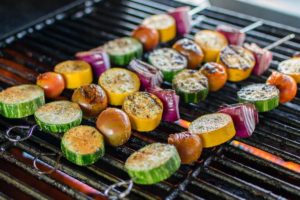
The warmer weather outside might encourage you to start grilling again! Chef
Nancy Berkoff, EdD, RD has some great tips and ideas to spice up your grilling
season! If you’re looking for recipes, food safety tips, or meal ideas, then
check out this article! https://www.vrg.org/journal/vj2015issue2/2015_issue2_outdoor_feasts.php
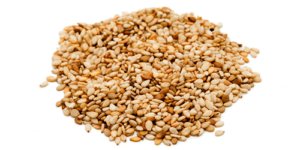
Sesame seeds are used in many products from being sprinkled
on burger buns to being ground into sesame seed paste, which is also called
tahini. Approximately 0.23% of children and adults in the United States are
allergic to sesame and have reactions to sesame ranging from hives to
anaphylactic shock. Until now, sesame was not one of the major allergens that must
be named in plain language on the ingredient labels of processed foods. On
April 23, 2021, President Biden signed a law making sesame the ninth major
allergen that must be listed clearly on the ingredient label of foods. The
other major allergens are milk, eggs, wheat, fish, shellfish, tree nuts,
peanuts, and soy.
All products that
use sesame seeds or items derived from them will have to be explicitly labeled
after January 1, 2023. Passage of this law will make it easier for those
with a sesame allergy to identify products containing sesame. Currently,
according to FARE (Food Allergy Research and Education), consumers may see
terms like benne seed, tahini, gomasaio, halvah, tehina, and sim sim on
products containing sesame. In approximately 18 months, these products, and
others containing sesame will have to have a statement on the label that
indicates the common or usual name of the major food allergen followed by the
food source in parentheses in the list of the ingredients. For example, the
ingredient label for packaged hummus containing tahini, would say “tahini
(sesame).” The manufacturer could also add “Contains sesame” although this is
not required.
References
Warren CM, et al. Prevalence and severity of sesame allergy
in the United States. JAMA Network Open 2019;2(8)e199144.
The Vegetarian Resource Group (VRG) is a non-profit organization dedicated to educating the public on veganism and the interrelated issues of health, nutrition, ecology, ethics, and world hunger. We have been helping health professionals, food services, businesses, educators, students, vegans, and vegetarians since 1982. In addition to publishing the Vegan Journal, VRG produces and sells a number of books.
Sign up for our newsletter to receive recipes, ingredient information, reviews of new products, announcements of new books, free samples of products, and other VRG materials.