Posted on
September 25, 2020 by
The VRG Blog Editor
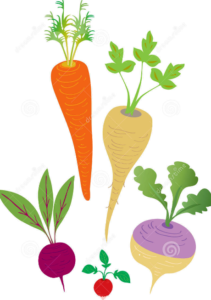
Fall has arrived and root veggies are in
season in the USA. Debra Daniels-Zeller offers a variety of recipes featuring
root vegetables in her previous Vegetarian
Journal article titled Vegan Roots.
Enjoy these recipes: Rosemary Roasted Roots; Orange-Marinated Beets;
Carrot-Rutabaga Coleslaw; Tomatoes and Lentils with Carrots, Turnips, and Kale;
Mashed Celeriac-Potatos with Roasted Garlic; Jerusalem Artichokes with
Carmelized Onions; Curried Parsnip Soup; and Sweet Potato Dip. Find the article
here:
Posted on
September 25, 2020 by
The VRG Blog Editor
Recent topics brought up include:
– Video posted by a parent stating, “Who says that kids
can’t be creative and who says they just want to sit and watch TV. Give them engaging
work and they will build a whole story beyond your imagination…”
– You might be interested in this new children’s book coming out in September: Our Animal Neighbors, by Matthew Ricard and Jason Gruhl and illustrated by Becca Hall
– What is
your take on “organic” veggie/fruit produce? Do you “trust”
them enough to spend extra $$ on? Do you “believe” they are better
for health for your children?
https://www.facebook.com/groups/VRGparentsandkids/ is intended to be a group that offers support for
families raising children on vegan diets and for vegan kids. We envision it as
a place to get advice about a wide-variety of topics: pregnancy, birthday parties,
school lunches, Halloween, non-leather apparel, cruelty-free products, summer
camps, and more. Please use it as a place to share your wisdom, seek advice, or
just find a sympathetic ear. The goal is to offer support.
Consequently, any profane, defamatory, offensive,
or violent language will be removed. Feel free to disagree, but do so
respectfully. Hateful or discriminatory comments regarding race, ethnicity,
religion, gender, disability, sexual orientation, or political beliefs will not
be tolerated. We expect that posts should relate to vegan diets and lifestyles.
The Vegetarian Resource Group reserves the right to monitor all content and ban
any user who posts in violation of the above rules, any law or regulation,
SPAM, or anything otherwise off topic.
Please share this information
with any veggie families that you know! Thanks.
Posted on
September 24, 2020 by
The VRG Blog Editor
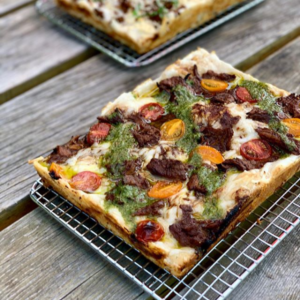
Photo from Box Car Pizza
The Vegetarian Resource Group maintains an online Guide to
Vegan/Vegetarian Restaurants in the USA
and Canada.
Here are some recent vegan restaurant additions. The entire guide can be found
here: http://www.vrg.org/restaurant/index.php
To support the
updating of this online restaurant guide, please donate at: www.vrg.org/donate
Here are some new
additions to VRG’s guide (Note: Due to the COVID-19 pandemic many are doing take-out
and/or delivery now):
Boxcar Pizza, 2701 NE Sandy Blvd.,
Portland, OR 97232
This pizza joint is
located in a popular food court known as The Zipper. They are serving up 8×10
inch Detroit-style pizzas with the characteristic rectangular shape and thick,
chewy crust. Although the toppings don’t sound (or taste) vegan, no menu items
contain any vegan ingredients, not even the coconut-oil based cheese. You can
find classic pizzas like cheese or pepperoni; but if you want to order
something more adventurous, try the steak and chimichurri or Nashville not
chicken options. There is even a gluten-free menu available with all the same
menu items so no one has to miss out on an indulgent vegan meal.
Cascabel Vegan, 1415 Murray Bay St.,
Houston, TX 77080
Their menu includes
appetizers, soups such as Tortilla Soup, entrees including Quesadillas, Tacos,
and Burritos, sides, and desserts. The owners aim is to provide delicious vegan
meals that didn’t feel like a substitute for something better. Their reviews
seem to demonstrate that they have been successful. As a special treat, for
those with a sweet tooth, they also offer authentic, handmade artisanal
pastries.
Chi Chi Vegan Taco Shop, 1 Moreland
Ave. SE, Ste. F, Atlanta, GA 30316
Anything in a taco
is always delicious and the tacos at Chi Chi’s are no exception. The menu is
loaded with familiar Mexican dishes that are always favorites, such as epic
nachos, tacos al pastor, and chick’n quesadillas. Wash your meal down with a
Mangonada – an authentic street-drink found in Mexico, typically made with
shaved ice and mango. Although this taqueria is only 708 square-feet, the pink-hued
exterior will catch your eye, creating a fun ambiance that is great to enjoy
with friends or anyone who is a taco aficionado.
The Cider House, 1602 Yew St.,
Vancouver, BC V6K 3E7 Canada
The Cider House
seems like a super welcoming, cheery place to go and get some drinks or sit
down and have some plant-based food. Just steps away from the beach, pick up
your grub and cold cider and take it to the sand. Their ciders are all local,
based out of British Columbia cider makers. Some unique items on their menu are
the Oyster Mushroom Calamari, the Limu Poke Bowl, and the Good Ol’ Dirty Burger
made with their house patty and tomato jam. Try these out while enjoying the
family-feel environment where they promote community, connection, and kindness.
Creamo, 3534 Sunset Blvd., Los
Angeles, CA 90026
Creamo is a Los
Angeles hotspot for vegan ice cream and donuts. They are known for their wacky
and creative new milkshake flavors! Some of their fun milkshake names are Mint
Town, Strawberry Lab, Rudimentary Peanut, and Paramoreo. They don’t stop at the
milkshakes, they also provide loaded donut ice cream sandwiches. Their most
popular is the Motion City Sandwich, which is two glazed donuts with vanilla
sprinkled ice cream in the middle. It’s a super fun place to bring kids and the
rest of your family.
The Old Riverhouse Vegan Village, 301
SW 3rd Ave., Fort Lauderdale, FL 33312
Located in a mansion
built over 100 years ago, this restaurant offers vegan, eco-friendly American
cuisine to customers, but also is available for wedding and event reservations.
Enjoy dishes such as Avocado Toast, NoBones Wings, No-Harm No-Foul Chicken Sandwich,
Toona Tartare, and Smasharoo Smash Burger.
Original Herbivore Café, 13535
Ventura Blvd., Sherman Oaks, CA 91423
Known as a vegan
truck in Southern California, the Original Herbivore is now also a café that
focuses on vegan fried chicken! Items like buffalo chick’n sandwiches and
chick’n and waffles can be ordered online through the Original Herbivore
website or purchased at their storefront location in Sherman Oaks. They also
have a variety of desserts including baklava and lemon drizzle cake, and
appetizers too!
Wisdom Bakery and Café, 25192 North
Freeway, Ste. 103, Spring, TX 77386
Wisdom Bakery and
Café has a delightful and inviting atmosphere that is a judgement-free zone –
everyone is welcome, vegan or not. Some of their awesome dishes include a
Philly Cheese “Steak” Sandwich with vegan beef and mayo, a Wise Rib Sandwich
made from seitan, and even Candied Pecan Waffles. Their main reason for opening
up shop was to sell great vegan baked goods, like cookies, muffins, cupcakes,
and even beautiful birthday cakes for your next party! One unique offering
featured in their extensive drink menu is Kava Root – a specialty herb that has
been used for centuries. They have put hard work and passion into their recipes
and design of the place, so check them out!
Posted on
September 24, 2020 by
The VRG Blog Editor
By Lucia
Rivera, VRG Intern
We
put together a guide with tips for eating vegan in college using information
from eight VRG interns attending college in the U.S.
and Europe. Whether you are vegan, vegetarian,
or exploring new diets, these recommendations can help you out!
Research and Using Resources
Many
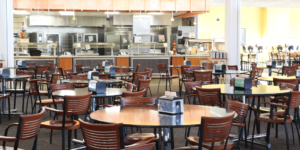
universities provide their students with online dining hall menus or even apps
that students can use to find vegan options on a day-to-day basis. Once in the
dining hall, students can also pay attention to signs that often indicate what
is vegan, vegetarian, or not.
“My school’s website has the menu for the
week, and you can filter out all the nonvegan items. If some days are better
vegan days than others, then I’ll know to eat elsewhere,” University of North
Carolina student Clare Broud said “Also, talking
to dining staff members is really helpful. Most staff are happy to
accommodate! My school also offers
nutrition counseling for those concerned about eating right, and that is
another great resource.”
During college applications is another
good time to conduct research about what different universities do to cater to
vegan students.
“[Ask] upperclassmen at your particular
school about advice dealing with the meal coordinators at your college. Also
ask about any local vegan restaurants! Perhaps try to get a dorm room with a
small kitchenette or kitchen (if possible). Try to stay flexible and ready to
create meals for yourself,” Johns
Hopkins University
student Jacqueline Tang said.
Creativity is Key
Being
creative with vegan food options can look like many different things. For some
students it means cooking for themselves, but other students find working with
the dining hall staff helpful for creating specialized options.
“On these days [when there are not substantial vegan options], I’ve learned to customize meals
with ingredients that I find from all over the dining hall. I’ve made salad
bowls with rice, and sometimes there is plain oatmeal that can be used as a
base for savory ingredients. I also think getting an instant cooker or crock
pot and learning to make an easy dish to take on campus can be helpful, so you
don’t have to worry about finding a place to eat,” Cornell student Adhi
Muthukumar said.
Additionally, Iowa State graduate Katie Nunemaker points out that
“breakfast doesn’t have to consist of cereal or tofu scramble or another
breakfast-y food. It can be anything that you want it to be, and whatever’s
available. The same goes for lunch and dinner.”
Plan Ahead and Be
Proactive
“To overcome this challenge [of not finding a vegan option],
it’s essential to think ahead. Pack a lunch box with vegan snacks in case you
get hungry and your dining center is out of food to accommodate you. It’s also
not a bad idea to grab lunch right when dining centers open on your way to your
first class, so you don’t have to worry about them being out. To avoid food
boredom, I recommend keeping satisfying snacks and side options in your dorm.
Also, keep sriracha or a sauce on hand to spice up a meal,” Katie Nunemaker
said.
Students can make
sure to always have their own supply of vegan snacks and drinks when going out
for the day to avoid getting too hungry or eating the same foods every day.
Additionally, vegans can become advocates for their university to add more
vegan options for all students!
“Be proactive, if there are no vegan
options, ask for them, create a vegan association, start creating the change
you want to see in the world,” Wageningen University student Odette Olivares
Sanchez suggested.
Benefits
Eating
vegan in college provides students with many benefits, despite any challenges
that arise, according to VRG intern college students.
“By eating
healthier and cleaner, oftentimes you will actually feel like you have more
energy, which is especially important when in college,” Loyola University
student Katelynn Budzich said.
Clare Broud added on with her experience:
“I used to feel embarrassed about asking for special treatment, but most people
are really nice about it and want you to be able to eat. It is also really easy
to eat unhealthy food in college. Between the tofu nuggets, French fries, and
late night snacking, it can be hard to resist all these foods. But, you will feel
so much better physically and mentally if you feed your body right. I have
learned to treat myself maybe once a week rather than once a day.
Besides health benefits, Katie Nunemaker
and Odette Olivares Sanchez agree that it is a great way to engage socially
with other students and groups on campus.
To
read more about veganism in college check out these resources!
Posted on
September 23, 2020 by
The VRG Blog Editor
By Abby Mudd, Jacqueline Tang, Adhi Muthukumar, and Simon
Brown (VRG interns and volunteers)
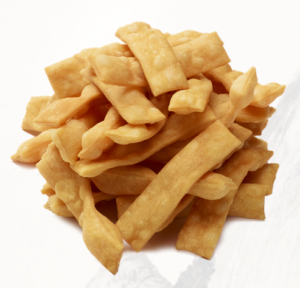
If you’ve ever frequented an Asian eatery, you may have
indulged in those delicious wonton strips that are often included with soups or
chow mein, and are occasionally served as small bites. These deep fried, crispy
noodles have been a topic among the vegan community. We were recently asked by
a reader if the noodles were vegan and whether alternative healthier options
existed.
The answer varies,
since every Asian restaurant differs in their production or sourcing of these
wonton strips. The strips typically include egg and may be cooked in animal
fat. However, it is possible to make them without using animal products, and
one company, Wonton Food Inc., makes a vegan-friendly version (which they
call ‘All Natural’), and these are available for restaurants to buy in bulk if
they choose.1 We have also included some vegan recipes for making
your own wonton strips, as well as some healthier cooking methods.
When ordering dishes
that are likely to include these strips (especially soups) but otherwise look
vegan, it may be worth confirming directly with the restaurant whether they
include these strips, and if so whether they include egg or have been cooked
without animal fats. Activists may want to work on getting more local
restaurants who cater to vegans to either make their own crispy wonton strips
using only vegan-friendly ingredients or to order vegan-friendly crispy wonton
strips from Wonton Food Inc.
A lot of
restaurants in your area may have only non-vegan wonton strip/chip options
because they tend to order ingredients from suppliers. Many companies use eggs,
especially for packaged dry noodles, to help preserve texture and color. If
eggs are not used, the strips are often cooked in the same deep fryer as meat
products. We contacted a number of Chinese or Asian Fusion restaurants which
serve meat but also have vegetarian/vegan options (6 restaurants in MD, 5 in
KY, 1 in IN, 1 in TN). All but one of
these either obtain their noodle strips from a distributor who use egg, or make
them directly in house using egg. Furthermore, most cooked them in the same
deep fryer as meat products. The all-vegan Asian restaurants we contacted (5 in
NY) said they do not serve wonton strips. Just one restaurant with a sizeable
vegetarian/vegan menu, Mr Chan
Restaurant in Pikesville MD, confirmed both that they
sell these strips (they include them with all of their soups), and that they
are suitable for vegans. They stated that they make them from scratch (with
flour) without egg.2
We also contacted
some of the largest chains about their policies on crispy wonton strips. Panda
Express told us that they do not sell Crispy Wonton Strips, but do sell Crispy
Noodles in separate bags often displayed by the register: you can check the
ingredients on the bag for egg and other animal products. They also pointed
out, however, that most of their menu is not suitable for vegans in any case.3
Neither P.F. Chang’s nor Pei Wei
Asian Kitchen responded to requests for information, but both have allergens
lists on their websites giving information about which dishes contain egg and
other non-vegan ingredients (here
and here). In 2017, Pei Wei did talk with VRG about
their menu at the time, and said that their Edamame Hummus was not vegan
specifically because it included wonton chips, which included egg. However,
this dish no longer appears on their menu.
If you are looking
to enjoy these crispy wontons strips at home, try making them yourself! They
are easy to make and suitable for any level of cooking experience. To start,
you can either make the vegan wonton wrappers homemade or pick up a vegan brand
at the store, like Nasoya Wonton Wraps. The homemade option uses just a few
ingredients (flour, warm water, salt, and cornstarch) and takes about 30
minutes to make. After you purchase or make the wrappers, you should cut them
into smaller pieces and prepare to either bake or fry your wrappers. If you
want to bake the wrappers, add some cooking
spray and seasoning of your choice and place this into an oven preheated to 400
Fahrenheit for 6-8 minutes or until brown. This method will be slightly
healthier than frying since it uses less oil. You can also fry the wrappers on a pan with any
type of oil. Fry them until they are crispy brown
References:
1. Xiaojing Zhou, the R&D/QA manager of Wonton Food Inc.,
confirmed by email on 7/1/2020 that the ‘all natural’ wonton strips are vegan,
and contain only wheat flour, Non-GMO canola oil, and salt. On 08/17/2020 they
confirmed that while they continue to make efforts to expand their business in
‘all natural’ products into the mainstream foodservice marketplace, most of
their ‘all natural’ products are currently sold as a component in salad kits
like one might see at local grocery stores rather than to restaurants.
2. Phone call to (410) 484-11000, 08/16/2020. Also asked another time while picking up a takeout order.
3. Email from Panda Guest Care, 08/04/2020, Reference #
1171766.
The contents of this posting, our website, and our other
publications, including Vegetarian Journal, are not intended to provide
personal medical advice. Medical advice should be obtained from a qualified
health professional. We often depend on product and ingredient information from
company statements. It is impossible to be 100% sure about a statement, info
can change, people have different views, and mistakes can be made. Please use
your best judgment about whether a product is suitable for you. To be sure, do
further research or confirmation on your own.
You may also be interested in these sources of ingredients,
and if vegetarian or vegan. See:
Posted on
September 23, 2020 by
The VRG Blog Editor
By Audrey Hunt, VRG Intern
With the days
of long, rigorous rehearsals, pushing all my physical capacities, it is
important to maintain a balanced and healthy diet as a dancer.
I’ve been dancing for over half my life and
for the majority of that time,
I have maintained a vegetarian or vegan diet. I would
train for at least four hours
a day, on top of hours of rehearsals.
I mainly trained in ballet/pointe and modern dance since I was
four years old. For being from
an urban city in Alaska, I have received
doubts on how I will be able to
maintain strength and stamina
as a vegan dancer. Common
questions I would get
would be, “Where are you getting your protein?”
and “How do you have enough
energy to last you through your
day on just vegetables?” I came
to realize that it wasn’t
as hard as people were
making it out to
be.
Before going out to get
my day started, I make sure
I have breakfast. Breakfast is definitely
my favorite and most important meal. I like to start with lots of water
right when I wake up with something citrus, either a mandarin
or a slice of lime. I always
make up a hot beverage right after
I’m done chugging my
water. For breakfast, I always have to have some
fruit, mainly a mixture of
berries. I like to put them on top of a bowl
of oatmeal and chia seeds,
which will help me stay full all morning. On top of that, I
add a spoon full of cashew milk yogurt for some creaminess
and some pumpkin seeds
for extra fiber and protein.
A breakfast like this is guaranteed to keep me filled up and energized until lunch.
For me, lunch is the
most diverse meal. It always varies on
how much I am physically
dancing that day and how much time I have. When I’m packing for
lunch, I like to make something
the night before, so I don’t need to
hurry in the mornings. I’m a huge fan of baked sweet potatoes and greens for the middle of
the day. Sometimes if I know I’ll
be working out extra hard that
day
I’ll add some baked tofu
as well.
As a
dancer, I live on snacks.
Some days I don’t have enough time to fit in a properly sized
lunch. Sliced green apples with some almond butter are my go-to when
I am stuck at the studio
for 10+ hours on a Saturday.
Cashews and almonds are
my favorite source of fuel to pack
for the middle of
the day. My favorite brand of energy bars is Larabars which are sold
at most Fred Meyers’ and Natural Pantry’s’ in flavors including apple pie and cookie dough. Other brands that I’m fond of are
Lenny’s and Larry’s plant-based cookies. Basic chocolate
chip or peanut butter is my
favorite late-night studio treat.
By the time I get home
from a long day, it’s typically
around 9:00 at night. I’m starving
at this point and I usually try to make a dinner that won’t
take more than twenty minutes to make.
I love buying Don Lee’s organic chipotle
frozen black bean burgers.
They are always well seasoned and you can heat it up in the microwave.
I usually complement that
with some sliced avocado,
lime, quinoa, and brown rice. If I’m extra hungry that night,
I’ll also have half
a baked sweet potato with coconut oil
and maple syrup. It’s the perfect amount
of sweetness; it’s like a dessert. If I don’t want something as filling, but still craving something sweet,
I’ll eat a bowl
of frozen grapes.
As a dancer and performer, it is very important to obtain
the right amount of daily nutrients within your diet. I’ve never felt fatigued
or malnourished while being a vegan. This lifestyle change has actually made me
lighter on my feet as a dancer. As I keep on dancing, I will always be
expanding my pantry to what plants will have to offer.
The contents of this website
and our other publications, including Vegetarian Journal, are not intended to
provide personal medical advice. Medical advice should be obtained from a
qualified health professional. We often depend on product and ingredient
information from company statements. It is impossible to be 100% sure about a
statement, info can change, people have different views, and mistakes can be
made. Please use your best judgment about whether a product is suitable for
you. To be sure, do further research or confirmation on your own.
Posted on
September 22, 2020 by
The VRG Blog Editor
By Alejandro Torres
Alejandro is a Vegetarian Resource Group 2020 video
scholarship winner. He said: I am interested in vegetarianism for the multitude
of benefits to myself, my loved ones, the environment, and the animals.
Posted on
September 22, 2020 by
The VRG Blog Editor
Here we share Debra Daniels-Zeller’s
article Awesome Autumn Desserts From Our
Past that previously ran in Vegetarian
Journal. Enjoy recipes for Sour Cherry Applesauce Brown Betty;
Cranberry-Raspberry Slump; Rum Raisin Rice Pudding; Tart Apple Kuchen; Gingered
Fruit Compote; Bourbon Baked Pear Crisp; and Orange-Spice Cake. See:
The contents of this posting, our website, and our other
publications, including Vegetarian Journal, are not intended to provide
personal medical advice. Medical advice should be obtained from a qualified health
professional. We often depend on product and ingredient information from company
statements. It is impossible to be 100% sure about a statement, info can
change, people have different views, and mistakes can be made. Please use your
best judgment about whether a product is suitable for you. To be sure, do
further research or confirmation on your own.
Posted on
September 21, 2020 by
The VRG Blog Editor
By Reed Mangels, PhD, RD
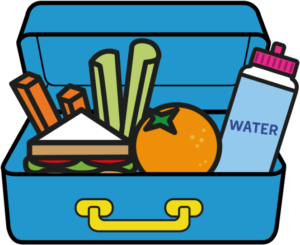
Whether your child’s school is virtual, blended, or
in-person, lunch is an important part of the day. Many school cafeterias have
few or no vegan options so packing a lunch is a part of the morning routine for
a lot of vegan families. Even if your child’s trip to school only involves
turning on a laptop, a packed lunch can simplify things mid-day. You don’t have
to cook every morning, either. Many items on this list can be a left-over from
dinner the night before or from the freezer. Knowing that some school districts
don’t allow nuts or nut butters, items on this list that have nut butters can
be modified to use soy or sunflower seed butter. Add a beverage, some cut up
veggies and/or a piece of fruit.
Sandwiches
1. Peanut butter and fruit spread on whole-wheat bread
2. Hummus wrap
3. Bean burger on a whole grain bun (can make mini-burgers and serve in small buns)
4. Tofu burger on a whole grain bun (can make mini-burgers and serve in small buns)
5. Falafel in pita
6. Tofu salad on rye
7. Chickpea salad in pita
8. Red pepper hummus on a pumpernickel bagel
9. Vegan deli slices on a small sub roll
10. Almond butter (or sunflower seed butter) on a
cinnamon-raisin bagel
11. Bean burrito
12. Baked tofu on an English muffin
13. Veggie dog in a bun
14. Lentil loaf on multigrain bread
15. Veggie sausage in a biscuit
16. Quesadilla with hummus or vegan cheese
17. Scrambled tofu on an English muffin
18. Peanut butter and sliced or dried fruit on whole-wheat
bread
19. Bagel with vegan cream cheese
Dips
20. Hummus with toasted pita chips
21. Vegan yogurt with fruit dippers
22. Peanut butter (or other allowed butter) sauce with
vegetable dippers
23. Refried beans with tortilla chips
24. Marinara sauce with chewy bread sticks
25. Waffle sticks with fruit sauce
In the thermos
26. Baked beans and veggie dog slices
27. Pasta with marinara sauce and chickpeas
28. Pasta salad
29. Pasta with peanut sauce (or sauce made with soy butter)
30. Chili
31. Rice and beans with salsa
32. Chana masala (curried chickpeas) and rice
33. Ramen noodles with vegetables and tofu cubes
34. Hearty bean soup
35. Barbecue tofu
36. Barbecue seitan
37. Pancakes
38. Pinto bean potato salad
39. Sushi rice salad (sushi rice with vegetables and tofu
cubes and a soy sauce dressing)
40. Vegan mac and cheese
41. Samosa
42. Vegan lasagna
43. Sloppy joe (pack a bun and spoon on the filling at lunch
time)
44. Sesame noodles and vegetables
Miscellaneous
45. Peanut butter and jelly muffin
46. Homemade calzone
47. Corn and black bean muffin
48. Build your own taco (taco shell plus fillings)
49. Sushi
50. Bean spread roll-ups (roll a bean spread in a tortilla
and slice vertically)
The Vegetarian Resource Group (VRG) is a non-profit organization dedicated to educating the public on veganism and the interrelated issues of health, nutrition, ecology, ethics, and world hunger. We have been helping health professionals, food services, businesses, educators, students, vegans, and vegetarians since 1982. In addition to publishing the Vegan Journal, VRG produces and sells a number of books.
Sign up for our newsletter to receive recipes, ingredient information, reviews of new products, announcements of new books, free samples of products, and other VRG materials.