The Vegetarian Resource Group Blog

VRG comments on the USDA’s and FDA’s Request for Information to help develop a uniform definition of ultra-processed foods for human food products in the U.S. food supply

Posted on September 18, 2025 by The VRG Blog Editor

September 8, 2025

The Vegetarian Resource Group (VRG) welcomes the opportunity to comment on the USDA’s and FDA’s Request for Information to help develop a uniform definition of ultra-processed foods for human food products in the U.S. food supply.

Nutritionally deficient ultra-processed foods including soft drinks, candies, salty snacks, processed meats, and baked desserts are an excessive part of the diet of many American children and adults. The negative health effects of diets high in these types of foods has long been recognized. There are, however, foods that could be categorized as “ultra-processed” that do have the same negative health effects as other food categorized as “ultra-processed.”

Although there have been a variety of attempts to define “ultra-processed” food including those by various U.S. states, the definitions generally suffer from an inability to differentiate between foods which can have negative health effects and those where processing can be beneficial or have a neutral effect. An example of negative health effects would be processes by which sugars, salt, saturated fats, and other substances associated with negative health are added to foods. Positive health effects could include food fortification, or processing to improve bioavailability of vitamins and minerals.

The Nova system identifies ultra-processed foods as foods that are ready to heat or to eat with little or no preparation (1,2). Foods in this category have undergone processes such as salting, baking, frying, pickling, and canning. They are typically high calorie, high sodium, low fiber foods that contain little protein, and few vitamins or minerals. Regrettably, many foods, such as plant milks and commercial veggie burgers, that may be eaten by vegetarians, vegans, and others seeking to reduce consumption of animal products are categorized as ultra-processed foods (3-5). It is impossible to equate a fortified soy milk and a soft drink in terms of nutritional quality or potential health effects.

Cow’s milk is considered a minimally processed food; in contrast, fortified soymilk has been classified as an ultra-processed food. A recent study examined the effect of substituting soymilk for cow’s milk (6). Substituting soymilk for cow’s milk resulted in a reduction in blood pressure, LDL cholesterol, and C-reactive protein. Substituting soymilk for cow’s milk did not affect blood glucose, diabetes control, or insulin levels and had no effect on body weight or BMI (6). These results raise questions about the categorization of fortified soymilk as an ultra-processed food.

A variety of research studies have found all foods categorized as ultra-processed do not have identical effects on the risk of heart disease and stroke (7,8), cancer (8), diabetes (8, 9), cognitive impairment (10), body weight (11), and frailty (12).

For example, a study of more than 200,000 U.S. adults found that only processed meats and sugar-sweetened beverages were associated with an increased risk of heart disease and stroke while ultra-processed savory snacks and cold cereals were associated with a lower risk of heart disease (7). Additionally, a higher intake of ultra-processed breads and cereals was associated with a lower risk of stroke (7). This study suggests that different types of ultra-processed foods have different effects on the risk of heart disease and stroke.

Similarly, a study of more than 260,000 adults found that higher consumption of ultra-processed animal-based products and artificial and sugar-sweetened beverages was associated with a higher risk of multimorbidity (developing at least two chronic diseases, namely cancer, heart disease, and/or type 2 diabetes) (8). Higher consumption of ultra-processed plant-based alternatives or ultra-processed breads and cereals was not associated with an increased risk of multimorbidity (8). Clearly, a more nuanced analysis of ultra-processed foods is warranted prior to developing labeling recommendations.

A study of more than 110,000 U.S. adults found an increased risk of type 2 diabetes in those with the highest consumption of ultra-processed foods (9). Subgroup analysis found higher consumption of certain food groups including breads made with refined flour, artificially and sugar-sweetened beverages, and animal-based products was associated with higher risk of type 2 diabetes. In contrast, higher consumption of foods that were classified as ultra-processed including cereals, whole-grain breads, and packaged sweet and savory snacks was associated with lower risk of type 2 diabetes (9).

A study of 4,750 middle-aged and older U.S. adults found that consuming an additional serving a day of ultra-processed animal products was associated with a 17% higher risk of developing cognitive impairment (10). An additional serving a day of ultra-processed beverages (like sugar-sweetened soft drinks) was associated with a 6.3% higher risk of developing cognitive impairment (10). Higher ultra-processed food consumption overall was not associated with a higher risk of developing cognitive impairment nor was higher consumption of ultra-processed snacks, grains, or sweets (10).

These studies and other similar studies that look at sub-categories of ultra-processed foods strongly support the idea that a blanket categorization of foods as ultra-processed will be confusing and is unlikely to provide health benefits. It may result in the avoidance of foods with health benefits.

Data indicate that the health effects of ultra-processed foods are highly dependent on their nutritional quality (13). We support the evaluation of foods based on their nutritional and health effects, rather than solely focusing on the degree of processing. At this time, it is premature to unequivocally call for avoiding all ultra-processed foods. Additional careful study is needed before characterizing certain foods as “ultra-processed.” Ultimately, a subset of what are now classified as ultra-processed foods would be developed and would encompass those ultra-processed foods or categories of foods that are associated with clear public health risks. Other foods that are currently classified as “ultra-processed” would be placed in a different category, such as the one proposed by the American Society for Preventive Cardiology (14). The American Society for Preventive Cardiology has proposed a new category of “smartly processed” foods which includes fortified plant milks and plant protein-based meat and egg substitutes (14). Whole-grain breads and commercial bean spreads could also be in this category. The American Society for Preventive Cardiology describes “smartly processed foods” as low in saturated fat, refined carbohydrates, and cholesterol and states that these foods can add nutrition value (14). This sort of categorization system that takes into consideration the nutritional quality of the food is more helpful than simply categorizing foods as “ultra-processed.”

Until additional research is completed, documents such as Dietary Guidelines for Americans provide useful guidance and were developed to provide current information and to utilize evidence-based research and a stringent process to develop recommendations for foods to eat and foods to limit. These documents provide support for a marked reduction in consumption of those ultra-processed foods that are high in saturated fat, added sugars, and salt. Clearly identifying these foods on food labels and working with food companies to improve the composition of these foods should be a priority. Consumption of other foods currently categorized as “ultra-processed” that are of better quality, such as fortified plant milks, some plant-based meat alternatives, bean spreads, and whole grain breads should not be discouraged, and these foods should be included as part of a healthy dietary pattern (15).

VRG is an independent non-profit organization dedicated to educating the public on vegetarianism and the interrelated issues of health, nutrition, environment, ethics, and world hunger. Our health professionals, activists, and educators work with businesses and individuals to bring about healthy changes in schools, workplaces, and the community. Registered dietitians and physicians aid in the development of nutrition-related publications and answer questions about the vegetarian and vegan diet. For the past 31 years, we have commissioned polls exploring vegetarian-related issues, results of which are often used by researchers, the food industry, and the media. Financial support comes primarily from memberships, contributions, and book sales.

Thank you for the opportunity to comment on this issue.

Sincerely,

Reed Mangels, PhD, RD

Nutrition Advisor, The Vegetarian Resource Group

Charles Stahler

Co-Director, The Vegetarian Resource Group

Debra Wasserman

Co-Director, The Vegetarian Resource Group

References

  1. Monteiro CA, Levy RB, Claro RM, Castro IR, Cannon G. A new classification of foods based on the extent and purpose of their processing. Cad Saude Publica. 2010;26(11):2039-2049.
  2. Monteiro CA, Cannon G, Levy RB, et al. Ultra-processed foods: what they are and how to identify them. Public Health Nutr. 2019;22(5):936-941.
  3. Orlich MJ, Sabaté J, Mashchak A, et al. Ultra-processed food intake and animal-based food intake and mortality in the Adventist Health Study-2. Am J Clin Nutr. 2022;115(6):1589-1601.
  4. Gehring J, Touvier M, Baudry J, et al. Consumption of ultra-processed foods by pesco-vegetarians, vegetarians, and vegans: associations with duration and age at diet initiation. J Nutr. 2021;151(1):120-131.
  5. Lichtenstein AH, Appel LJ, Vadiveloo M, et al. 2021 Dietary Guidance to Improve Cardiovascular Health: A Scientific Statement From the American Heart Association. Circulation. 2021;144(23):e472-e487.
  6. Erlich MN, Ghidanac D, Blanco Mejia S, et al. A systematic review and meta-analysis of randomized trials of substituting soymilk for cow’s milk and intermediate cardiometabolic outcomes: understanding the impact of dairy alternatives in the transition to plant-based diets on cardiometabolic health. BMC Med. 2024;22(1):336.
  7. Mendoza K, Smith-Warner SA, Rossato SL, et al. Ultra-processed foods and cardiovascular disease: analysis of three large US prospective cohorts and a systematic review and meta-analysis of prospective cohort studies. Lancet Reg Health Am. 2024;37:100859.
  8. Cordova R, Viallon V, Fontvieille E, et al. Consumption of ultra-processed foods and risk of multimorbidity of cancer and cardiometabolic diseases: a multinational cohort study. Lancet Reg Health Eur. 2023;35:100771.
  9. Chen Z, Khandpur N, Desjardins C, et al. Ultra-processed food consumption and risk of type 2 diabetes: Three large prospective U.S. cohort studies. Diabetes Care. 2023;46(7):1335-1344.
  10. Seago ER, Rego ML, Davy BM, et al. Differential association of ultra-processed food categories with risk of developing cognitive impairment in middle-aged and older adults in a longitudinal panel study. Am J Clin Nutr. 2025;121:965-971.
  11. Kahleova H, Znayenko-Miller T, Jayaraman A, et al. Vegan diet, processed foods, and body weight: a secondary analysis of a randomized clinical trial. Nutr Metab (Lond). 2025;22:21.
  12. Fung TT, Rossato SL, Chen Z, et al. Ultraprocessed foods, unprocessed or minimally processed foods, and risk of frailty in a cohort of United States females. Am J Clin Nutr. 2024;120(1):232-239.
  13. Vadiveloo MK, Gardner CD. High ultra-processed food (UPF) intake and low dietary quality are not synonymous – A case for limiting most but not all UPFs in plant-based diets. J Nutr. 2024;154:3503-3504.
  14. Belardo D, Michos ED, Blankstein R, et al. Practical, evidence-based approaches to nutritional modifications to reduce atherosclerotic cardiovascular disease: an American Society For Preventive Cardiology Clinical Practice Statement. Am J Prev Cardiol. 2022;10:100323.
  15. Vadiveloo MK, Gardner CD, Bleich SN, et al. Ultraprocessed Foods and Their Association With Cardiometabolic Health: Evidence, Gaps, and Opportunities: A Science Advisory From the American Heart Association. Circulation. Published online August 8, 2025.
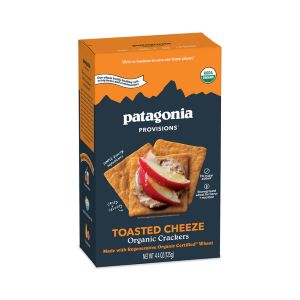
Patagonia provisions Toasted Cheeze Organic Crackers Reviewed in Vegan Journal

Posted on September 17, 2025 by The VRG Blog Editor

In every issue of Vegan Journal, we review vegan products that we especially like. In our recent issue we review Toasted Cheeze Organic Crackers from Patagonia. Read the product review here: https://www.vrg.org/journal/vj2025issue3/2025_issue3_veggie_bits.php

Subscribe to Vegan Journal in the USA only at www.vrg.org/member

Update from the Adventist Health Study-2: Older Adults

Posted on September 17, 2025 by The VRG Blog Editor

photo from Freepik

by Reed Mangels, PhD, RD

According to the 2020 census, 1 in 6 people in the United States was 65 years old or older (1). Between 2022 and 2040 the number of people in the United States who are age 85 and older is projected to more than double (2). Are there factors that can improve the health and quality of life of older Americans? A recent report, using data from the Adventist Health Study-2, suggests that vegetarian including vegan diets are associated with better health in the oldest old (3).

What is the study?

This study used data from a subset of more than 7,000 participants in the Adventist Health Study-2 who were age 80 or older at the start of the study. The average age of participants in this subset was 84.9 years. The Adventist Health Study-2 is a large-scale study of Seventh-day Adventists living in the United States and Canada. Study subjects completed questionnaires in 2002 about their food choices and their health. This information was evaluated for this study.

The researchers used the participants’ dietary information to categorize participants as vegans (consumed any animal product less than once a month), lacto-ovo vegetarians (no flesh foods; consumed dairy and/or eggs once a month or more), pesco-vegetarians (similar to lacto-ovo vegetarians but ate fish once a month or more), semi-vegetarians (ate flesh foods less than once a week but at least once a month), and nonvegetarians.

What did this study find?

About 8% of women and 7.5% of men were categorized as vegan; 28.5% of women and 30.4% of men were categorized as lacto-ovo vegetarian. The vegans had the lowest average body mass index (BMI) and fewer vegans were categorized as overweight or obese compared to other study participants. Nonvegetarians were more likely to report having hypertension and vegans were least likely to report having hypertension. Vegans, lacto-ovo vegetarians, and pesco-vegetarians were less likely to report having high blood cholesterol levels compared to semi-vegetarians and nonvegetarian. Vegans were least likely to have high blood cholesterol levels. Taken together, these results suggest that older vegetarians including vegans have fewer risk factors for heart disease than do nonvegetarians.

Additionally, about one-third of vegans described their health as “excellent,” more than any other group. Less than 20% of nonvegetarians described their health as “excellent.” More nonvegetarians than any other group described their health as “poor” (20% of nonvegetarians compared to 11.4% of vegans).

Overall, these results in a group who generally avoid smoking and alcohol, support the importance of following a vegan or near vegan diet for successful aging.

References

  1. United States Census Bureau. U.S. Older Population Grew From 2010 to 2020 at Fastest Rate Since 1880 to 1890. https://www.census.gov/library/stories/2023/05/2020-census-united-states-older-population-grew.html. 2023.
  2. The Administration for Community Living. 2023 Profile of Older Americans. https://acl.gov/sites/default/files/Profile%20of%20OA/ACL_ProfileOlderAmericans2023_508.pdf. 2024.
  3. Santos HD, Alabadi-Bierman A, Paalani M, et al. Living longer and lifestyle: A report on the oldest of the old in the Adventist Health Study-2. JAR Life. 2025;14:100010.

To read more about vegan diets for older adults see:

A Senior’s Guide to Good Nutrition

Protein for Older Adults

Vegan Menus for Adults 51+

A Vegan Diet Effectively Supports Muscle Development in Older Adults

The contents of this website and our other publications, including Vegan Journal, are not intended to provide personal medical advice. Medical advice should be obtained from a qualified health professional. We often depend on product and ingredient information from company statements. It is impossible to be 100% sure about a statement, info can change, people have different views, and mistakes can be made. Please use your best judgment about whether a product is suitable for you. To be sure, do further research or confirmation on your own.

Creating a Vegan World

Posted on September 16, 2025 by The VRG Blog Editor

In the recent issue of Vegan Journal, Akua Oppong describes her experience as a Vegetarian Resource Group intern. One huge project she accomplished is an article, meal plan, and recipes describing Ghanaian food and culture. Read about her vegan activities here: https://www.vrg.org/journal/vj2025issue3/2025_issue3_vegan_world.php

Subscribe to Vegan Journal in the USA only at www.vrg.org/member

VRG VEGAN DINNER AND DISCUSSION IN NASHVILLE, TENNESSEE

Posted on September 16, 2025 by The VRG Blog Editor

Come meet dietitians from the Vegetarian Nutrition Dietetic Practice Group and VRG members. The public is invited. You must preregister. You can pay at www.vrg.org/donate Write in names of attendees and that this is for the Networking dinner.

When: Sunday, October 12, 2025, 6 PM

Where: Sitar Indian Restaurant

Menu (subject to change):

Samosa (potato and pea turnover)
Salad
Papadum (thin and crispy lentil crackers)
Roti (whole wheat bread)
Chutney
Rice
Yellow Dal (lentils)
Chana Masala (chickpeas)
Baingan Bhurtha (eggplant)
Bhindi Masala (okra)
Vegetable Patia (fresh vegetables with sweet and sour mangoes)
Fruit
Tea and Water

Cost: $35 before October 1, 2025. Includes tax and tip. Drinks can be purchased from the restaurant separately.

PLEASE PAY AT   www.vrg.org/donate and write in the Comments: Networking Dinner with the Attendee names. Or call (410) 366-8343. Or mail payment to The Vegetarian Resource Group, P.O. Box 1463, Baltimore, MD 21203. We look forward to seeing you there.

(Note: This replaces a previous dinner location because of a fire in the area.)

Vegan Teens: What are Their Motivations and Health Practices?

Posted on September 15, 2025 by The VRG Blog Editor

photo from Freepik

by Reed Mangels, PhD, RD

About 2% of 8-17 year olds in the United States consistently were vegan and 21% sometimes or always ate vegan meals when eating out according to a 2021 poll commissioned by The Vegetarian Resource Group (1). There has been little research done on vegan tweens and teens, so it was intriguing to see a recent study of Austrian 10-19 year olds (2).

What is the study?

The study was conducted online and involved almost 8,700 students in Austria. The study subjects completed a questionnaire which asked about their nutrition habits, the motivations for their dietary choices, their physical activity levels, and their use of alcohol and tobacco. Participants were between 10 and 19 years old with the average age of 15.1 years. The researchers used a combination of the students’ description of their diets and reports of the food that they ate to designate them as vegan (no animal products or ingredients), vegetarian (no meat, poultry, fish or shellfish but ate eggs and dairy products), or nonvegetarian/omnivorous.

What did this study find?

Among the study participants, 142 or 1.6% were vegan, 5.6% were vegetarian, and the remainder (92.8%) were nonvegetarians. Vegan and vegetarian diets were more common in females than in males and in middle schoolers compared to high schoolers.

Health, sports performance, and animal welfare were the main motivations for those choosing vegan diets; animal welfare, personal health, and taste/preference were the top three motivations for vegetarians; and health, taste/preference, and no specific reason were the main reasons given for following a nonvegetarian diet.

Vegans were more active than the other two groups based on the number of days per week they participated in physical activity, sports, and exercise. More than 80% of vegans ate fruit daily which was significantly higher than either vegetarians (72%) or nonvegetarians (65%). More than 80% of both vegetarians and vegans ate vegetables daily; this was significantly more than nonvegetarians, 62% of whom ate vegetables daily. Vegans and nonvegetarians were less likely to consume alcohol than vegetarians were.

The study researchers conclude, “following a vegan diet during childhood and adolescence is associated with more advantageous health behavioral choices.”

Ideally, studies similar to this will be conducted in other countries to provide further insights into the health behaviors and motivations of vegan students.

References:

  1. Stahler C, Mangels R. How Many Youth in the U.S are Vegan? How Many Teens Eat Vegetarian When Eating Out? The Vegetarian Resource Group asks in a YouGov Poll. www.vrg.org/nutshell/Yougov2021youthteenwriteup.pdf. 2021.
  2. Wirnitzer KC, Tanous DR, Drenowatz C, et al. Difference in motives and basic health behavior of 8799 children and adolescents aged 10-19 years following a vegan, vegetarian, or omnivorous diet. Curr Dev Nutr. 2025;9:107498.

To read more about vegan teens see:

Teen FAQs

Vegan Nutrition for Teenagers

The Vegan Teen Athlete

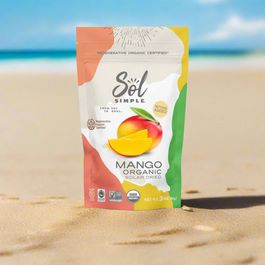
Sol Simple Dried Fruit Reviewed in Vegan Journal

Posted on September 15, 2025 by The VRG Blog Editor

photo from Sol Simple LLC

In every issue of Vegan Journal, we review vegan products that we especially like. In our recent issue we review Simple Dried Fruit from Sol that comes in several varieties. Read the product review here: https://www.vrg.org/journal/vj2025issue3/2025_issue3_veggie_bits.php

Subscribe to Vegan Journal in the USA only at www.vrg.org/member

Vegan Restaurants Added to The Vegetarian Resource Group’s Guide to Veggie Restaurants in the USA and Canada

Posted on September 12, 2025 by The VRG Blog Editor

photo from La Combi-gotes

The Vegetarian Resource Group maintains an online Guide to Vegan/Vegetarian Restaurants in the USA and Canada. Here are some recent vegan restaurant additions. The entire guide can be found here: www.vrg.org/restaurant

To support the updating of this online restaurant guide, please donate at: www.vrg.org/donate

Here are some new additions to VRG’s guide:

Aliado Bar & Aperitivo, 68 Calle de San Francisco, San Juan, PR 00901

Aliado’s small plates (Aperitivos) are intended for sharing and include Sopa de Frijoles Negros with organic black turtle beans, local pumpkin, breadfruit, ginger, and herbs; Olivia featuring Italian Castelvetrano olives, emulsified cashew cream, EVOO, and dehydrated seed crackers; Pickled Beet and Ricotta Toast showcasing Chioggia and Detroit red beets from Aibonito, pepita ricotta, tomato marmalade, microgreens, and sourdough from Panoteca San Miguel. In addition, they offer a daily special which serves as a main course such as Pasta Fresca fresh made Tagliatelle, with cultured creamy pesto, local mushrooms, zucchini, broccoli, and dried parmesan. Their vegan cheese is tree nut based. They thank you for your patience, noting their dishes are made from scratch.

Aiso, 4068 18th St., San Francisco, CA 94114

Aiso offers diverse, tropically-inspired Tapas such as Oyster Mushroom Skewers with Tamari and coriander, Yuca Sticks with Passionfruit Mustard, Heart of Palm Fritto with Watercress Aioli, Garlic butter Udon with Macadamia Nut, Beet Tartare with Wasabi Crème Fraiche, cucumber, and sesame, Mango Gazpacho with fresh brunoise, spicy Roasted Cauliflower with Sikil pak (a Mayan pumpkin seed based dip), and sour orange onion to name a few dishes.

El Veganito, 5500 Grossmont Center Dr., La Mesa, CA 91942

El Veganito strives to craft creative dishes with locally sourced ingredients and to offer a “…celebration of food, health, and sustainability…” To name a few, Tacos include Carnitas showcasing Jackfruit, or Adobada with soy protein—both with cilantro, onion, and lime; Phish featuring Baja style fishless fillets, cabbage, tomato, cilantro, chipotle cream, and avocado; as well as Tacos de Papa offering crunchy rolled potato taquitos, topped with onion, tomato, lettuce, cilantro, cheese, avocado, and sour cream. Burritos/Bowls offer many similar fillings, some with rice and beans and some where they may be added. Poncho’s Burrito includes freshly marinated, grilled vegetables, rice beans, Pico de Gallo, and avocado. Machaca Burrito features scrambled Jackfruit, tofu, bell pepper, onions, and tomato. El Reuben showcases thin sliced Tempeh, 1000 Island, cheese, and sauerkraut on grilled rye bread. Sopes serves up Veracruz style corn Masa, black beans, onion, sour cream, cilantro, avocado, and their Cashew Cotija cheese. They offer lots of sides too.

La Combi-gotes, 111 N. Bishop Ave., Dallas, TX 75208

The vegan food trailer serves up vegan Mexican dishes such as Beefless Fajitas, Chickenless Flautas, Veggie Burritos, quesadillas, Mexican bowl, and burgers.

Missionary Chocolates, 2712 NE Glisan St., Portland, OR 97232

Missionary Chocolates are crafted in small batches by a naturopathic physician and are dairy-free and gluten-free. Besides their first truffle flavor, 8 time award winning Meyer Lemon Explosion, they offer a myriad of Truffle choices like Sweet Raspberry, Simply Espresso, Local Lavender, Smoked Cherrywood Salted Caramel, inot Noir Salted Caramel, Whiskey, Peach Habanero, and more! A few are seasonal. They’re even open to custom crafting flavors. Chocolate Bars include GF Pretzel Bits Bar and more, as well as Sugar-Free Ginger, Peppermint, Vanilla or Cacao Nibs Chocolate Bars sweetened with monk fruit and stevia. Other confections are Chocolate Covered Snacks like Cherries, Marshmallow Barrels, Figs, Cinnamon Bears, Coffee Beans, and so many more—some organic, all chocolate covered! Talk about community support—on their website you can see the generous list of charities to which Missionary Chocolates has donated chocolate. And yes, they offer samples to visitors!

Mr. Charlie’s, 262 26th St., Santa Monica, CA 90402

Here, you will find timeless American classics with a plant-based twist, such as “frowny meals,” “not a double double,” “not a cheeseburger,” not a chicken sandwich,” “not chicken nuggets,” and everyone’s favorite, french fries!

Sensible Edibles, 30-30 47th Ave., Long Island City, NY 11101

Sensible Edibles is a gluten-free and vegan bakery and café focused on bringing wholesome, organic, and sustainable baked goods. They also have online ordering available across the US, and provide custom gluten-free and vegan cakes.

Visit VRG’s Booth at the Charlottesville, VA Veg Fest Sept. 14th

Posted on September 12, 2025 by The VRG Blog Editor

CHARLOTTESVILLE VIRGINIA VEG FEST, Sunday September 14, 2025

Please come by our booth and say hello to our booth coordinator Elsa. For more info see: https://www.cvillevegfest.com/

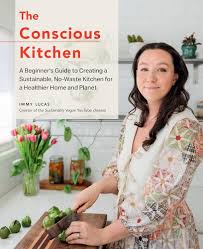
The Conscious Kitchen is Reviewed in Vegan Journal

Posted on September 11, 2025 by The VRG Blog Editor

Immy Lucas’s book The Conscious Kitchen is reviewed in the latest issue of Vegan Journal. This cookbook focuses on how to reduce food waste in your kitchen. Recipes are included. Read our review here: https://www.vrg.org/journal/vj2025issue3/2025_issue3_book_reviews.php

Subscribe to Vegan Journal in the USA only at www.vrg.org/member

  • Donate

  • Subscribe to the blog by RSS

  • VRG-NEWS

    Sign up for our newsletter to receive recipes, ingredient information, reviews of new products, announcements of new books, free samples of products, and other VRG materials.

    Your E-mail address:
    Your Name (optional):


↑ Top