When I first stopped eating meat at the age of seven I was much less informed on vegan foods as I am now, at the age of fifteen. I also never made my own food, leaving my parents to please my past self with requests for meat-free meals. Yes, accommodations had to be made, but I nostalgically remember many dishes I loved during the earlier years of my childhood.
For example, I still recall the delicious vegetable soup that became a comfort dish to my younger self; full of potatoes, tomatoes, carrots, and spices. Young kids, and even teenagers, can be easy to please with warm soup for dinner. Besides home cooked recipes, there were products my parents would buy for the whole family from grocery stores. Before I became a vegetarian, a family favorite was veggie corn dogs from Trader Joes. Almost any traditional meat dish can now be found “veganized” in the frozen food section of a local grocery store, and items like vegan corn dogs that are available today are especially attractive to young kids. Anything in a unique shape or that one can eat with their hands has an extra element of fun!
As part of a Latinx household, beans were also always on the menu, with so many different ways to prepare them! Perhaps a cultural staple in some families, beans can be adopted by any parents who want to serve their young kids a vegan meal that is delicious and full of nutrients as well. On tostadas topped with tomato and avocado, or in a bowl with broth, beans can be best friends to young kids and parents.
Along with vegan store-bought items and vegan staples that can be blended into a range of recipes, vegan snacks for kids are actually everywhere, starting with fruit! Looking back on my early childhood, I absolutely adored going to the backyard to pick ripe guavas from our tree, and most importantly eating them after. Watermelon, bananas, mandarins, tomatoes, and avocados were just the beginning. Applesauce was great on the go, as were raisins, craisins, and nuts. Kids wouldn’t be kids without also indulging in snacks like potato chips, rice cakes, pretzels, and tortilla chips, but those are all vegan-friendly too.
When going out I easily learned to order the veggie burger or veggie delight in place of sliced turkey and orange chicken, respectively. Perhaps surprisingly, a lot of kids are flexible with their diet if you give them the chance to be, and can be willing to try something new if it’s sold to them in a convincing manner. I was definitely willing to try an alternative lunch provided by my elementary school instead of what my friends were served so that I could help my animal friends.
Otherwise, school lunches ranged from a thermos full of pasta to peanut butter and jelly sandwiches, with diced fruit cups to the side. No matter what you have to eat, lunches at school are a part of childhood that will be remembered later on. For me, I recall presenting my lunch with friends as if I was on a fancy cooking show, and thoroughly being excited to have the chance to choose my own lunches as I got older.
Overall, despite the general pickiness of younger kids, there are a very wide variety of vegan foods that can become nostalgic favorites over time. Below are just a few of the meals and snacks that could please the vegan kid in your life:
Meals: – Vegan pizza – Pasta with tomato sauce – Vegetable or lentil soup – Nut butter and banana sandwiches – Vegan waffles/pancakes – Veggie burgers/dogs
Snacks: – Apple slices and peanut butter – Trail mix – Fruit salad – Smoothies – Fruit popsicles – Carrot sticks (with your choice of dressing or dip)
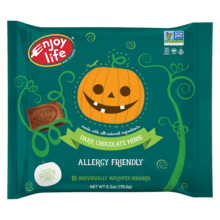
Are you looking for places to purchase vegan candy, chocolate, and other treats for Halloween? Here’s some online sources that sell vegan goodies with a Halloween theme, as well as items sold in stores:
A Vegetarian Resource Group member let us know about this senior community with vegan options.
La Posada Park Center Inc. 350 East Morningside Road Green Valley, AZ 85614 USA (520) 648-8131 [email protected] Assisted Living, Independent Living, Memory Care Always several vegan items on menu. Sample vegan dishes are vegan lentil soup, vegan burger, vegan pad Thai, spaghetti squash with mushrooms, spaghetti marinara, tacos with refried beans no lard, crepe with vegetables (per a resident, without eggs), rolled eggplant stuffed with hummus, and tofu scramble.
Recommendations developed by the Academy of Nutrition and Dietetics, American Academy of Pediatric Dentistry, American Academy of Pediatrics and American Heart Association (1).
By Reed Mangels, PhD, RD
Recent headlines included “What Should Young Children Drink? Mostly Milk and Water, Scientists Say” and “Milk and Water Are OK for Kids — Juice and Plant-Based Drinks Aren’t.” These headlines accompanied news stories about the new recommendations for beverages for babies and children developed by the Academy of Nutrition and Dietetics, American Academy of Pediatric Dentistry, American Academy of Pediatrics and American Heart Association (1).
Not surprisingly, the recommendations call for babies age 0-12 months to only drink breast milk or infant formula, with small amounts of water added once solid foods are introduced. This is based on evidence that other beverages including plant milks and cow’s milk are not good choices for babies under a year old. Fruit juice is either avoided (for those under a year) or limited to a half cup or less of 100% fruit juice daily for 1-3 year olds (up to ¾ cup for 4-5 year olds). It’s better for kids to eat fruit rather than drinking juice.
So far, so good. Then things start to get confusing. The full report (identified as being for professionals) says, “Unsweetened plant milks/non-dairy beverages are not recommended for exclusive consumption in place of dairy milk (with the exception of soy milk); consume only when medically indicated or to meet specific dietary preferences.” (2) Our interpretation – unsweetened soy milk can be used to replace dairy milk but other plant milks should only be used if medically indicated or for those avoiding cow’s milk. The version of the report for professionals seems to have a more nuanced stance than the more widely publicized recommendations aimed at parents and care-givers.
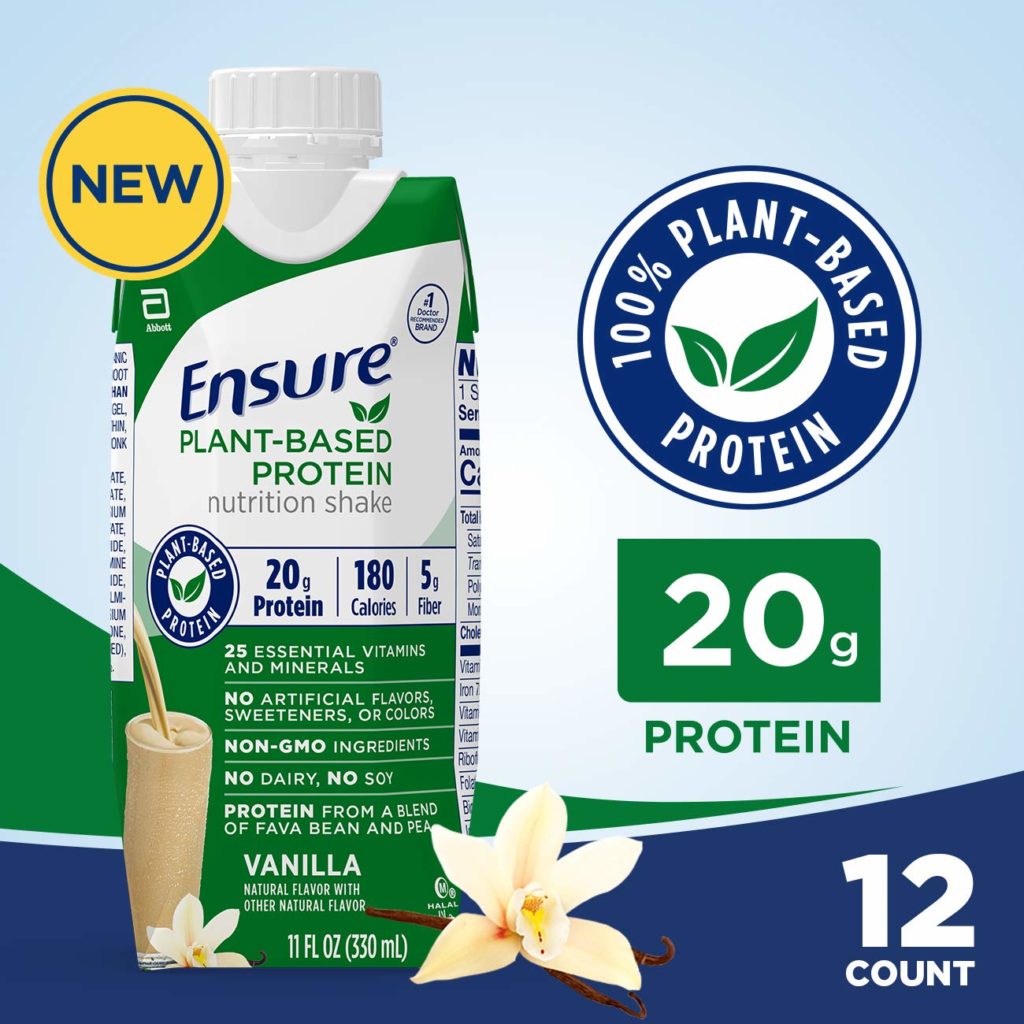
Recommendations for parents and care-givers list plant-based/non-dairy milks as something children age 1-5 years should not drink as full replacements for cow’s milk. The reasoning given is that “with the exception of fortified soy milk, many plant-based/non-dairy milk alternatives lack key nutrients found in cow’s milk.” (1). If fortified soy milk has the key nutrients found in cow’s milk, why isn’t it promoted as an alternative to cow’s milk? Is it simply that dairy products are more commonly used in this country? What sort of recommendations would be made if the dominant culture was one that did not give children animal milk?
We have other questions with the new recommendations. For example, the report says, “Even when these [plant] milks have extra nutrients added to them, our bodies may not absorb those nutrients as well as they can from regular milk.” (1) The evidence for this statement is questionable. Two studies have reported that the calcium in fortified soymilk is as well-absorbed as the calcium in cow’s milk (3, 4). We could not find research looking at the absorption of other nutrients from fortified soymilk or other plant milks. It’s not clear from the report which nutrients may not be well-absorbed. Additionally, pea protein-based milk has a similar amino acid profile to soy milk and fortified products are available. Why weren’t pea protein-based milks included as recommended beverages?
Here’s what we recommend in terms of beverages for infants and children if your family wants to avoid dairy consumption:
Birth to age 1: Breast milk or infant formula; add sips of water when solid foods are started.
Age 1 to 5: • Breast milk or infant formula can be continued; full-fat, unsweetened fortified soy milk or pea protein-based milk can replace or be used along with breast milk or infant formula provided the toddler is growing well and eating a variety of foods. Choose a soy milk or pea protein-based milk that is fortified with calcium, vitamin D, and vitamin B-12. • Water • Limit 100% fruit juice to no more than ½ cup per day for 1 to 3 year olds, no more than ¾ cup per day for 4 to 5 year olds. • Avoid: o Caffeinated drinks like coffee, tea, energy drinks, soda o Diet drinks o Sugar-sweetened drinks including soda, fruit drinks, fruit flavored drinks, fruit-ades, sports drinks, energy drinks, sweetened waters, and sweetened coffee and tea drinks o Plant milks other than fortified soy or pea protein-based milks as the child’s primary beverage: If there is a medical reason, such as allergy, for using beverages such as nut milks, rice milks, or other plant milks as the primary beverage, consult with a registered dietitian or other health care professional to be sure the child’s overall diet is nutritionally adequate.
References 1. Healthy Drinks. Healthy Kids. https://healthydrinkshealthykids.org/parents/ 2. Healthy Beverage Consumption in Early Childhood. https://healthydrinkshealthykids.org/app/uploads/2019/09/HER-HealthyBeverageTechnicalReport.pdf September, 2019. 3. Zhao Y, Martin BR, Weaver CM. Calcium bioavailability of calcium carbonate fortified soymilk is equivalent to cow’s milk in young women. J Nutr. 2005 Oct;135(10):2379-82. 4. Tang AL, Walker KZ, Wilcox G, Strauss BJ, Ashton JF, Stojanovska L. Calcium absorption in Australian osteopenic post-menopausal women: an acute comparative study of fortified soymilk to cows’ milk. Asia Pac J Clin Nutr. 2010;19(2):243-9.
According to Market Watch, McDonald’s Corp. is testing a Beyond Meat plant-based burger made by the company in Canada.
The burger is called the P.L.T., which stands for plant-lettuce-tomato, and will be sold in 28 restaurants starting Sept. 30 in southwestern Ontario. The trial will run for 12 weeks.
The contents of this posting, our website, and our other publications, including Vegetarian Journal, are not intended to provide personal medical advice. Medical advice should be obtained from a qualified health professional. We often depend on product and ingredient information from company statements. It is impossible to be 100% sure about a statement, info can change, people have different views, and mistakes can be made. Please use your best judgment about whether a product is suitable for you. To be sure, do further research or confirmation on your own.
The Vegetarian Resource Group is hosting our 37th Annual Pre-Thanksgiving Vegan Potluck Dinner on Sunday, November 24th, 2018 at 5 PM. The event is taking place at:
The Vegetarian Resource Group is
hosting our 37th Annual Pre-Thanksgiving Vegan Potluck Dinner on Sunday,
November 24th, 2018 at 5 PM. The event is taking place at:
North Baltimore Mennonite Church 4615 Roland Avenue Baltimore MD 21210
We will be showing appreciation for
turkeys by not eating them! Come join us for a variety of festive, delicious
vegan dishes! Please bring a vegan dish – free of meat, fish, poultry, dairy,
eggs, honey, or any other animal by-products – that serves 4 per adult
attending.
Adult admission is $5 and children
eat free! Any questions call (410) 366-8343 Mon-Fri 9am-5pm.
Also, you may want to bring a vegan
canned good for the church that will be used for feeding the hungry. We hope to
see you there!
Adam Vossen was a 2019 Vegetarian Resource Group video contest winner. He said: During my formative teenage years, I spent hours upon hours getting lost on random websites and videos. One day, I stumbled upon a video that would change my life. “Why You Should Go Vegan” was the title, and watching it led me into weeks of research and questioning of my past and future of eating habits. After about a month of contemplation, I decided to make the move to go vegetarian, and a couple months after that, I took it to the next level and went vegan. I’ve always had a grey-cloud of anxiety floating over my head regarding animal abuse and climate change, and with this diet, I finally felt like I was doing something to combat that. Not only did this lifestyle change prompt internal gratitude, it also provided me with a new community and identity I felt I lacked. I was constantly motivated and inspired by the fact that my food choices were helping my body, the planet, and the animals. Today, I define my vegan lifestyle as a project larger than myself, where my diet is 100% plant-based and I prioritize the environment, animal rights, and my health over my taste-buds.
To support The Vegetarian Resource Group scholarships and internships, donate at www.vrg.org/donate or The Vegetarian Resource Group, Box 1463, Baltimore, MD 21203
Video scholarships have been given in honor of W.M. Zahn, who was a great mentor.
The Vegetarian Resource Group will host a vegan dinner at Su Xing, about a six minute walk from the Pennsylvania Convention Center, on Sunday, October 27, 2019 at 6PM, during the annual meeting of The Academy of Nutrition and Dietetics. Meet vegetarian dietitians from around the country. The public is invited.
MENU APPETIZER: seitan on stick with BQ sauce SOUP: (choice of): hot and sour soup or tofu and vegetable soup MAIN DISHES: chow fun (rice noodle dish) tofu with black bean sauce stir-fried spinach stir-fried string beans rice DESSERT: fruit BEVERAGES: tea and water
MUST RESERVE AND PAY IN ADVANCE Send $25 per person (includes tax and tip) with attendee names to The Vegetarian Resource Group, PO Box 1463, Baltimore, MD 21203. Call (410) 366-8343. Or pay at www.vrg.org/donate and write “Philadelphia VRG Dinner” and attendee names on the “Comments” box.
The Vegetarian Resource Group (VRG) is a non-profit organization dedicated to educating the public on veganism and the interrelated issues of health, nutrition, ecology, ethics, and world hunger. We have been helping health professionals, food services, businesses, educators, students, vegans, and vegetarians since 1982. In addition to publishing the Vegan Journal, VRG produces and sells a number of books.
Sign up for our newsletter to receive recipes, ingredient information, reviews of new products, announcements of new books, free samples of products, and other VRG materials.