The Vegetarian Resource Group Blog

Thinking about Vitamin K

Posted on July 28, 2025 by The VRG Blog Editor

photo from Freepik

by Reed Mangels, PhD, RD

Vitamin K is an essential vitamin that plays important roles in blood clotting and in bone health. Most people in the United States get enough vitamin K from foods. The bacteria in our large intestines make some vitamin K, which we can absorb. Vitamin K deficiency can occur in people with medical conditions such as ulcerative colitis, celiac disease, and cystic fibrosis, that affect their ability to absorb nutrients.

Vitamin K is a complex molecule and has several different forms that are found in foods and supplements. Phylloquinone (vitamin K1) is the main form of vitamin K that is found in foods. Menaquinone (vitamin K2) is made by bacteria and is found in small amounts in some animals foods and in fermented foods.

The Adequate Intake (AI) for vitamin K is:

Birth to 6 months: 2 micrograms/day

7-12 months: 2.5 micrograms/day

1-3 years: 30 micrograms/day

4-8 years: 55 micrograms per day

9-13 years: 60 micrograms/day

14-18 years: 75 micrograms/day

19 years and older: 120 micrograms/day (male); 90 micrograms/day (female)

Pregnancy and Lactation: 75 micrograms/day (14-18 years); 90 micrograms/day (19 years and older)

Many whole plant foods supply us with vitamin K. As you can see, a small (1/2 cup portion) of cooked greens provides all the vitamin K we need for a day.

10 Good Sources of Vitamin K for Vegans

  1. Kale, 573 micrograms of vitamin K in ½ cup cooked
  2. Collard greens, 530 micrograms of vitamin K in ½ cup cooked
  3. Spinach, 494 micrograms of vitamin K in ½ cup cooked
  4. Turnip greens, 426 micrograms of vitamin K in ½ cup cooked
  5. Mustard greens, 415 micrograms of vitamin K in ½ cup cooked
  6. Swiss chard, 286 micrograms of vitamin K in ½ cup cooked
  7. Brussels sprouts, 150 micrograms of vitamin K in ½ cup cooked
  8. Cabbage, 82 micrograms of vitamin K in ½ cup cooked
  9. Broccoli, 81 micrograms of vitamin K in ½ cup cooked
  10. Asparagus, 72 micrograms of vitamin K in ½ cup cooked

Fat helps our bodies absorb more vitamin K and eating vitamin K-rich vegetables along with a source of fat can increase the amount of vitamin K absorbed 3-fold (1).

The sources of vitamin K listed above all provide vitamin K in the form of vitamin K1. Natto, a food made from fermented soybeans and used in traditional Japanese cuisine, is one of the few plant-based sources of vitamin K2. There is no evidence to suggest that vegans whose diets contain adequate amounts of vitamin K1 need to be concerned about low dietary vitamin K2 (2).

Some studies find that vitamin K2 supplements that provide much higher amounts than could be obtained from food reduce the risk of fractures and increase bone mineral density in older women (3,4) but do not have a significant effect on bone mineral density in older men (5). Additional research is needed on the effects of vitamin K2 supplements on bone health and heart disease in those following vegan diets (2).

References

  1. Gijsbers BL, Jie KS, Vermeer C. Effect of food composition on vitamin K absorption in human volunteers. Br J Nutr. 1996;76:223-229.
  2. Goldman DM, Warbeck CB, Barbaro R, et al. Assessing the roles of retinol, vitamin K2, carnitine, and creatine in plant-based diets: A narrative review of nutritional adequacy and health implications. Nutrients. 2025;17:525.
  3. Shiraki M, Shiraki Y, Aoki C, et al. Vitamin K2 (menatetrenone) effectively prevents fractures and sustains lumbar bone mineral density in osteoporosis. J Bone Miner Res. 2000;15:515-521.
  4. Knapen MH, Drummen NE, Smit E, et al. Three-year low-dose menaquinone-7 supplementation helps decrease bone loss in healthy postmenopausal women. Osteoporos Int. 2013;24:2499-2507.
  5. Zhang Y, Liu Z, Duan L, et al. Effect of low-dose vitamin K2 supplementation on bone mineral density in middle-aged and elderly Chinese: A randomized controlled study. Calcif Tissue Int. 2020;106:476-485.

To read more about vitamin K see:

Vitamin K Fact Sheet for Consumers (from National Institutes of Health; contains nonvegan sources of vitamin K)

Nutrition Hotline from Vegetarian Journal about vitamin K

Some Foods and Medicines Don’t Go Together

The contents of this website and our other publications, including Vegetarian Journal and Vegan Journal, are not intended to provide personal medical advice. Medical advice should be obtained from a qualified health professional. We often depend on product and ingredient information from company statements. It is impossible to be 100% sure about a statement, info can change, people have different views, and mistakes can be made. Please use your best judgment about whether a product is suitable for you. To be sure, do further research or confirmation on your own.

REVIEW OF DODAH’S KITCHEN

Posted on July 28, 2025 by The VRG Blog Editor

By Chaltu Watkins, VRG Intern

Located in Mt. Rainier, Maryland, Dodah’s Kitchen offers a comforting and flavorful experience rooted in vegan soul food. Housed in a simple white-brick building, the space feels cozy and welcoming from the moment you walk in. The restaurant operates with a counter-service setup where you can either order at a kiosk or walk up to the front, where freshly prepared dishes are displayed behind glass and served by staff.

I went to the kiosk with a well-organized menu divided into sections like entrées, sandwiches, sides, etc. I ordered the vegan chicken sandwich with a side of fries, and it was everything I wanted. The sandwich features a crispy breaded chicken patty topped with fresh lettuce, tomato, and creamy vegan mayonnaise, all served on a soft sesame seed bun that held up well and didn’t get soggy. The patty’s crunch combined with the veggies’ coolness and the mayo’s richness made each bite flavorful and satisfying. The fries were thick and golden, nothing fancy, just really well done. The portion size was generous, and everything was served hot and fresh.

Dodah’s Kitchen also offers an assortment of cupcake and cake flavors. I decided to order the lemon cake to go, and it did not disappoint. It was moist and light with a gentle citrus flavor, not too tangy, and topped with just the right amount of icing. Only one staff member was working during my visit. While she wasn’t particularly chatty or engaging, she was efficient and attentive. She fulfilled every request I made, from bringing water to grabbing hot sauce, without hesitation.

If you’re looking for plant-based comfort food, Dodah’s Kitchen is a must-visit. They have locations in Newark, Delaware and in Maryland District Heights, Mount Rainier, Baltimore, and Waldorf. Whether you’re vegan or simply curious, this spot delivers soulful, satisfying meals that hit the spot. See: https://dodahskitchen.com/

Feel free to check out other great vegan restaurants in the USA and Canada here: https://www.vrg.org/restaurant/index.php

Café Tibet: Vegan Tibetan Restaurant in Berkeley, California

Posted on July 25, 2025 by The VRG Blog Editor

curried potatoes

by Reed Mangels, PhD, RD

I’m a fan of books that tell of mountain climbing expeditions, perhaps as a way to experience something I’ll never actually do. Accounts of climbing in the Himalayas always include drinking cup after cup of butter tea, a warming beverage made of tea leaves, yak butter, water, and salt. Again, something I never thought I would try, until I visited Café Tibet in Berkeley, California.

This restaurant, which first opened in 1999, features “Traditional and Authentic Tibetan Cuisine.” As we walked into Café Tibet, past a sign confirming that the restaurant is vegan, the people ahead of us said, “This is a really good place!” I was already feeling excited about our restaurant choice and their comment and Café Tibet’s décor added to my anticipation. Café Tibet is decorated with colorful prayer flags and paintings of Tibetan scenes.

The multi-page menu offered so many interesting choices that it was challenging to decide what to order. We decided to order a variety of smaller plates so that we could sample lots of different things. The first dish to arrive was Sho-kho-kha-tsa, described on the menu as curried potatoes mildly seasoned with fresh ginger, garlic, and coriander. The fork-tender potatoes were coated in a flavorful, mild but delicious sauce, sprinkled with coriander.

momos

Next, we shared a sampler platter of Momos. Momos are steamed dumplings, described in a Tibetan cookbook as “steaming parcels of comfort.” We were able to try momos with three different fillings – spinach and mushrooms; potatoes, carrots, and cabbage; and tofu and mixed vegetables. They were served with mint sauce and our attentive server also brought us a bottle of very spicy sauce as another accompaniment.

tofu chips

Our next dish was Trama chura, described on the menu as tofu chips served with house sauce. Trama chura was fingers of flavorful tofu, lightly coated with a seasoned crisp breading and fried. I don’t think I even used the house sauce. This dish was so expertly seasoned that I wanted to savor the flavor of the tofu and breading unadorned.

Mango lassi

We ordered a mango lassi to share. This drink had a tang and a gentle sweetness. Our server asked if we wanted it made with or without a sweetener. We opted for without and agreed that the ripe mango alone made it sweet enough for us.

Bod-Jha

Our server surprised us with a complementary bowl of Bod-Jha, the butter tea I had read about. This creamy warm drink, more of a soup than tea, was made with Tibetan tea, plant milk, vegan butter, and salt. I would happily drink this on a chilly day, whether in the Himalayas or in Berkeley, California.

Pak

We had ordered Pak, a dish made with roasted barley flour, offered on the menu as either savory or sweet. Our server recommended the sweet version. She brought us a plate of tan nuggets with a small bowl of coconut yogurt for dipping. The Pak reminded me of a chickpea flour-based fudge that I once made using a recipe from an Indian cookbook. It was mildly sweet with a nutty flavor and was a lovely end to a delicious meal.

When I return, I hope to try the hand-pulled noodles and a curry as well as having more momos, Pak, and other dishes we enjoyed so much.

Café Tibet is located at 2020 University Ave., Berkeley, California.

To find a list of veggie restaurants in the USA and Canada visit: https://www.vrg.org/restaurant/index.php

Vegan-Labeled Iberia Aloe Vera Strawberry Beverage Contains Insect-Derived Carmine and an Update on Carmine

Posted on July 25, 2025 by The VRG Blog Editor

By Jeanne Yacoubou, MS

The Vegetarian Resource Group received an email inquiry from a reader asking us to confirm whether Iberia Aloe Vera Strawberry Beverage contains insect-derived carmine. She noted that the red-toned drink was labeled vegan along with all the other flavors sold in green-colored bottles.

We contacted the company in June 2025. The Office manager at Iberia Foods told us that vegan appears on the label of all the aloe vera beverages. The only one that contains carmine, an insect-derived red coloring, is the strawberry variety. At the time of the call, she wasn’t sure if new labels were to be printed without the word vegan for the strawberry flavor, or if the beverage were to be reformulated without carmine. Once she found out, she’d let us know.

The next day, we received a voicemail informing us that new labels were being printed without the word vegan for the strawberry drink. It would take some time before the new labels would appear on the beverage.

As a follow-up, The VRG emailed about company plans to remove carmine from their strawberry beverage. They replied: “As explained previously, we have stopped printing labels that state vegan due to carmine being one of the ingredients. I wasn’t informed of any substitutions. It will remain the same ingredients.”

Petrochemical Dyes vs Natural Colorants on Ingredient Labels

The April 2025 announcement by the U.S. Department of Health and Human Services and the U.S. Food and Drug Administration of the phase-out of eight petrochemical-based synthetic dyes – including FD&C Red No. 40 – from food, beverages, pharmaceuticals and other products is the latest clean label regulation in a growing number of countries.

To replace the synthetic dyes, the FDA recently announced the approval of three natural colorants, though none of them provides the bright red hue characteristic of many foods and beverages such as Iberia Foods’ Aloe Vera Strawberry drink. Those approved are vegan.

As The VRG reported in 2009, the FDA requires mandatory labeling of all foods and beverages containing carmine or cochineal extract because of the possibility of severe allergic reactions to them. However, the insect source does not need to be specified.

Carmine Market 2023-2033

Increased demand for carmine as a natural red colorant is projected to increase significantly from $50.8 billion in 2023 to $91.8 billion in 2033. Peru, Mexico, and Chile are the top commercial carmine exporters. It takes approximately 70,000 female beetles to yield one pound of carmine.

Carmine Substitutes and Insect-Free Carmine

In 2013, The VRG reported on plant-derived lycopene and anthocyanin, vegan substitutes for carmine. Microbial production of several different food colorings is also popular.

Increasing red colorant yields through traditional fermentation or via precision fermentation using fungal or bacterial genes, some of which produce the same carminic acid found in beetles, is a rapidly growing area of research.

In these cases, insect-free carmine is vegan.

If you should spot insect-free carmine or vegan carmine on an ingredient label, please let us know at [email protected].

The contents of this posting and our other publications, including Vegan Journal, are not intended to provide personal medical advice. Medical advice should be obtained from a qualified health professional. We often depend on product and ingredient information from company statements. It is impossible to be 100% sure about a statement, info can change, people have different views, and mistakes can be made. Please use your best judgment about whether a product is suitable for you. To be sure, do further research or confirmation on your own.

Dr. Joycelyn Peterson: Vegan Dietitian and Professor

Posted on July 24, 2025 by The VRG Blog Editor

In the Vegan Action column of the latest issue of Vegan Journal, we feature Dr. Joycelyn Peterson. She’s a vegan dietitian and college professor. Read about her outreach here: https://www.vrg.org/journal/vj2025issue2/2025_issue2_vegan_action.php

To subscribe to Vegan Journal in the USA only, visit www.vrg.org/member

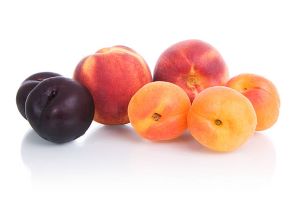
Vegan Dishes Made with Stone Fruit

Posted on July 24, 2025 by The VRG Blog Editor

istockphoto-stone fruit

Stone fruits are abundant during the summer. Debra Daniels-Zeller previously wrote an article for The Vegetarian Resource Group titled Stone Fruit. Enjoy these recipes:

ANISE POACHED PLUMS AND CHERRIES

COUSCOUS SALAD WITH APRICOTS AND ALMONDS

COOL AND SPICY STONE FRUIT SOUP

GINGER-PEACH SCONES

SPICY PEPPERS AND NECTARINES WITH SEITAN OVER RICE

STRAWBERRY PLUM SAUCE

ALMOND-NECTARINE PUDDING

SAUTÉED BALSAMIC CHERRIES

Find the recipes here: Stone Fruit

Subscribe to Vegan Journal in the USA: https://www.vrg.org/member/2013sv.php

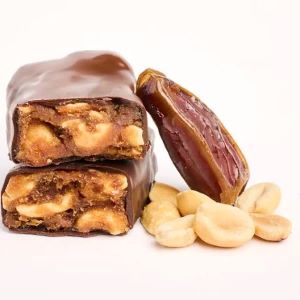
Vegan Journal Product Review: Simply Chocolate Date Bars

Posted on July 23, 2025 by The VRG Blog Editor

Each issue of Vegan Journal features product reviews. In the most recent issue, we reviewed Simply’s Chocolate Date Bars. Enjoy Salted Peanut and Fudge Brownie.

Read our review here: https://www.vrg.org/journal/vj2025issue2/2025_issue2_veggie_bits.php

To subscribe to Vegan Journal in the USA only, visit www.vrg.org/member

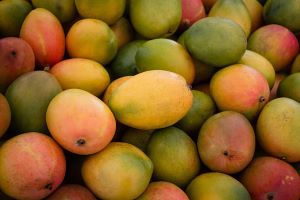
Today is National Mango Day!

Posted on July 22, 2025 by The VRG Blog Editor

istockphoto

Each issue of Vegan Journal includes a Vegan Cooking Tips column by Chef Nancy Berkoff, EdD, RD. In one issue Nancy offers tips on preparing vegan dishes with mangoes.

     Read the column here: https://www.vrg.org/journal/vj2022issue2/2022_issue2_cooking_tips.php

To subscribe to Vegan Journal, visit: https://www.vrg.org/member/2013sv.php

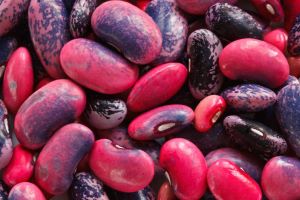
Perennial Vegetables as a Climate Solution

Posted on July 22, 2025 by The VRG Blog Editor

scarlett runner beans from gettyimages

In the latest issue of Vegan Journal, VRG Researcher Jeanne Yacoubou, MS, explains how growing perennial vegetables can serve as a climate solution. According to Jeanne, “All plants do not sequester carbon equally. Perennial plants – those that regrow each year instead of dying off after the first frost – sequester carbon longer than annual plants because their ability to store carbon is longer in roots that continually grow deeper and wider for years if not decades.”

Read her complete article here: https://www.vrg.org/journal/vj2025issue2/2025_issue2_climate_solutions.php

To subscribe to Vegan Journal in the USA only, visit www.vrg.org/member

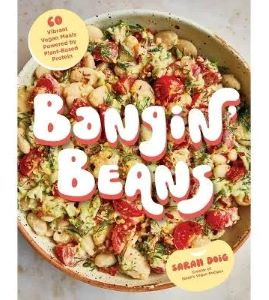
Vegan Journal Book Review: Bagin’ Beans

Posted on July 21, 2025 by The VRG Blog Editor

In each issue of Vegan Journal, we review vegan books they we especially like. In the latest issue, we review Bangin’ Beans, by Sarah Doig. Sarah not only develops her own recipes; she also shoots photos of the dishes. Start adding bean-based dishes to your menu!

Read our review here: https://www.vrg.org/journal/vj2025issue2/2025_issue2_book_reviews.php

To subscribe to Vegan Journal in the USA only, visit www.vrg.org/member

  • Donate

  • Subscribe to the blog by RSS

  • VRG-NEWS

    Sign up for our newsletter to receive recipes, ingredient information, reviews of new products, announcements of new books, free samples of products, and other VRG materials.

    Your E-mail address:
    Your Name (optional):


↑ Top