The Vegetarian Resource Group Blog

Enjoy Tea and Sophisticated Bites on Mother’s Day

Posted on May 09, 2025 by The VRG Blog Editor

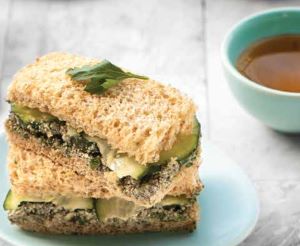
Cucumber Tapenade Tea Sandwich photo by Hannah Kaminsky

Hannah Kaminsky shares recipes any mom would enjoy on Mother’s Day along with her favorite tea. Prepare Cucumber Tapenade Cucumber Sandwiches, Cheesy Dill Scones, Lentil Sausage Rolls, Blueberry Chia Jam, Blueberry Jam Drops, and/or Chickpea Egg Bites. Find the recipes and complete article from a previous issue of Vegan Journal here: https://www.vrg.org/journal/vj2023issue1/2023_issue1_time_for_tea.php\

To subscribe to Vegan Journal, visit www.vrg.org/member

“Beef-infused” peas and “pork-infused beans”

Posted on May 08, 2025 by The VRG Blog Editor
By Jeanne Yacoubou, MS

In 2023-24, the Animal and Plant Health Inspection Service (APHIS) of the U.S. Department of Agriculture (USDA) granted regulatory clearance to Moolec Science to introduce its genetically engineered (GE) peas and beans to the U.S. market. This clearance essentially means that APHIS, after their review, believes the GE plants “…pose no greater plant pest risk than non-genetically engineered plants.”

However, Moolec’s GE plants don’t yet have a free ticket into the U.S. because they must first be declared safe for human consumption by the U.S. Food and Drug Administration (USFDA).

Moolec Science and Molecular Farming

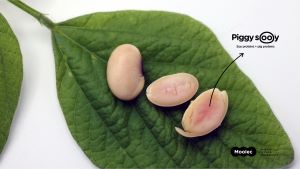
Known as a leader in molecular farming techniques which produce animal proteins from GE plants grown traditionally on the farm, Moolec Science has spliced bovine and porcine genes obtained from a virtual DNA bank into the genetic material of pea and soybean plants, respectively. Referring to their products as “beef-infused” peas and “pork-infused” beans because of these genetic additions — not because actual meat is in the peas or beans, which it is not – the company is planning to market them to vegetarians and vegans.

The GE peas have been designed to produce excess bovine myoglobin, a protein that elevates iron content. According to the company website, their product “contains up to 26.6% pork protein over total soy soluble protein.” Moolec believes that their iron-boosted peas will appeal to vegetarians and vegans looking for plant-based sources of iron. The challenge, however, is convincing this targeted audience that they are, in fact, not eating an animal-derived food.

In an October 2024 article for BNN Bloomberg, Gaston Paladini, Moolec’s CEO and an Argentine meatpacking heir, said that “Moolec’s technology doesn’t involve any procedures with animals — none…We don’t take cells from the animal and multiply them. It’s a fully synthetic genetic code that we buy in a DNA bank. We are tweaking nature.”

Moolec intends on selling its GE peas in a can. The pink-hued GE soybeans, trademarked as Piggy Sooy, will be marketed as a tasty, high-protein meat substitute — similar to textured vegetable protein (TVP).

In a September 2024 press release, Moolec confirmed that their GE plants producing Piggy Sooy are already undergoing field tests in Ohio, Missouri, and Iowa in the U.S. Chief Technology Officer and Co-Founder Martín Salinas stated: “One acre of Piggy Sooy could potentially produce pork meat proteins equivalent to 10 pigs, reducing water footprint, land usage and CO2 emissions…Our aim is to heal the meat production system.”

In December 2024, The Vegetarian Resource Group reached out to Moolec for more information about when its products should be available for purchase in the U.S. Moolec Chief Product Officer and Co-Founder Henk Hoogencamp told us:

“They are not [now] available for consumers. We are sampling these though for industrial and institutional partners. These samples are provided under some conditions to make sure we keep the central principles to stewardship up high. Also to clarify, our beans are not infused with these proteins, but the beans make their own version of the animal protein during their growth…We have publicly disclosed our plans and continue to update the timelines every quarter during our shareholder meetings. To save you the trouble of going through the SEC website, I can say that we are gunning to have them on the market 2027-2028.”

Plant Molecular Farming Companies

In 2023, Moolec became the first plant molecular farming food technology company trading in public markets. It is one of a handful of food tech startups in agricultural biotechnology. These companies claim to be on the forefront of creating sustainable food sources in a world increasingly limited in natural resources and struggling to feed a burgeoning human population. Many startups fail when investments run out or they have a difficult time getting off the ground.

According to the Good Food Institute, leveraging plants as hosts for recombinant gene technologies involves using traditional farming practices instead of large bioreactors like in precision fermentation. Some consider these products (animal proteins) “animal-free” crop improvements.

Moolec expresses this idea on their website where they state: “We use plants as small factories without extra energy leveraging in photosynthesis. Moolec develops ingredients that contain a mix of plant and animal proteins as a one-stop-shop solution.”

Although companies — such as Moolec Science — engaged in plant molecular farming say their products are “animal-free,” not all vegetarians or vegans consider them vegetarian or vegan because of the presence of animal-derived genetic material. Whether expressed in plants or in microbes (like in precision fermentation), virtual animal DNA ultimately has its origin in an animal, usually a cow or pig.

While plant molecular farming may use fewer natural resources (land, water, or energy) and produce less pollution — including carbon emissions — than traditional animal agriculture, not all would consider the technology is vegan. We hope food tech companies will clearly label products so consumers can choose which they want to use. Such complete transparency is the only way individuals — vegans and non-vegans alike — can truly decide for themselves whether to consume these food products or not.

The contents of this posting, our website and our other publications, including Vegan Journal, are not intended to provide personal medical advice. Medical advice should be obtained from a qualified health professional. We often depend on product and ingredient information from company statements. It is impossible to be 100% sure about a statement, info can change, people have different views, and mistakes can be made. Please use your best judgment about whether a product is suitable for you. To be sure, do further research or confirmation on your own.
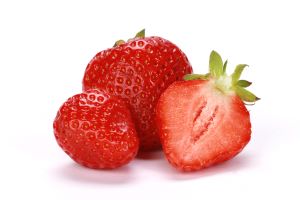
Enjoy Strawberries!

Posted on May 08, 2025 by The VRG Blog Editor

photo from Freepik

Each issue of Vegan Journal features a column called Vegan Cooking Tips by Chef Nancy Berkoff. A previous column focused on strawberries. Here are some ideas for enjoying strawberries at every meal:

  • Add sliced strawberries to mixed green or pasta salads.
  • Layer sliced strawberries, whole blueberries, and vegan yogurt or silken tofu in a glass bowl to make an attractive dessert or breakfast parfait. Sprinkle with chopped nuts, sesame seeds, or pumpkin seeds if desired.
  • Mash fresh or frozen chopped strawberries with a dash of maple syrup and serve as a topping for waffles and pancakes.
  • Blend strawberries with a little bit of orange juice concentrate and use as a fresh fruit sauce for fruit salad, pancakes, pound cake, cookies, or vegan ice cream.
  • Add strawberries to breakfast smoothies to give them a more vibrant taste and color.
  • Create strawberry vinaigrette by blending with oil, vinegar, and dried oregano, garlic, and nutritional yeast.
  • To make baked oatmeal with strawberries, simply mix oatmeal with boiling water, pat into a baking dish, top with sliced strawberries, and bake at 350 degrees until firm.
  • Create a soaked strawberry cake with leftover cake or wheat bread cut into cubes, and mixed with blended strawberries.
  • Blend a strawberry lassi using strawberries, vegan yogurt, coconut milk, and lemon zest.

Read the entire column here: https://www.vrg.org/journal/vj2021issue2/2021_issue2_cooking_tips.php

To subscribe to Vegan Journal in the USA, see: https://www.vrg.org/member/2013sv.php

Vegan Nutrition in Pregnancy and Childhood

Posted on May 07, 2025 by The VRG Blog Editor

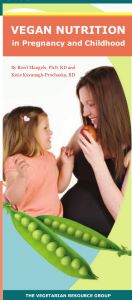
If you or someone you know is looking for vegan nutrition information to use during pregnancy and once your child is born, here’s a terrific handout: https://www.vrg.org/nutrition/vegan_pregnancy_brochure.pdf

You’ll find a sample vegan menu to follow during pregnancy, as well as a feeding schedule for vegan infants, toddlers, and young children.

Who Doesn’t Love Noodles?

Posted on May 07, 2025 by The VRG Blog Editor

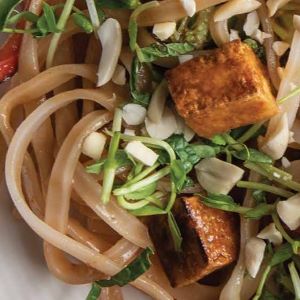
Vegan Pad Thai photo by Rissa Miller

Chef Joseph Solar shares a wide variety of noodle dishes in his previous recipe piece in Vegan Journal. Start cooking Stuffed Shells with Basil, Golden Beet Japchae, Mushroom Marsala, Classic Vegan Pad Thai, or Vegan Carbonara!

Find the complete article here: https://www.vrg.org/journal/vj2022issue4/2022_issue4_noodling_around.php

Subscribe to Vegan Journal in the USA only at https://www.vrg.org/member/2013sv.php

CALIFORNIA STUDENT AVA CUEVAS WINS $5,000 VEGETARIAN RESOURCE GROUP 2025 COLLEGE SCHOLARSHIP

Posted on May 06, 2025 by The VRG Blog Editor

My love and passion for animals and a just food system for all beings, started with my curious and animal loving 7-year-old self. As I ate chicken nuggets and burger patties, I began to question where exactly meat came from. I understood it came from an animal, but the process of the animal becoming food was still unclear to me. I began bombarding my parents with questions on where exactly meat came from, and after the realization of knowing I was eating an animal that I loved and didn’t want to die was all I needed to hear to vow to never eat another animal in my life. So, at the age of 7, I became a vegetarian completely on my own. Being further educated on the abuses that animals like hens and mother cows still faced in the egg and dairy industries, I became vegan at 13.

My successes within my animal and plant-based advocacy have come in significant ways compared to when I was a 9-year-old who collected funds to donate to animal sanctuaries. I lobbied on Capitol Hill to staffers of California senators and representatives on supporting bills expanding plant-based meals in K-12 schools. I was the head facilitator in groups meetings with U.S. Department of Agriculture providing them with student testimonies and limitations faced by the lack of plant-based options. In 2022 I published an op-ed in L.A. Weekly, speaking upon the importance of plant-based meals in schools. I believe one of my greatest successes in collaboration with other youth advocates was a youth started and led panel at the Animal and Vegan Advocacy (AVA) Summit. Myself along with three other youth leaders, orchestrated a panel titled, “How to Empower Youth in the Vegan Movement.”

After graduating from undergrad in political science, I envision myself going to law school to become a lawyer. There will never be a day where I question my veganism. I simply cannot ever envision myself feeling comfortable in taking the life of a sentient being for the justification of food. If my food choices can prevent me from being a direct supporter of abuses, then I will forever choose my plant-based life.

Support Young Veg Activists

To send support for additional scholarships and internships, donate at www.vrg.org/donate or call (410) 366-8343. You can also send a donation to VRG, P.O. Box 1463, Baltimore, MD 21203.

Do you know an amazing student promoting veganism? If so, let them know about our annual scholarship contest. The deadline for high school seniors is February 20th of each year. To see scholarship rules and past winners, visit www.vrg.org/student/scholar

Enjoy Black Beans!

Posted on May 06, 2025 by The VRG Blog Editor

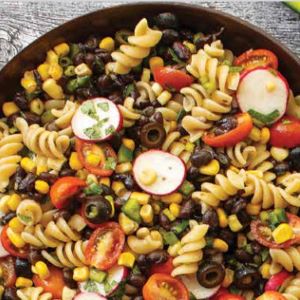
Tex-Mex Pasta Salad photo by Hannah Kaminsky

Hannah Kaminsky shares several delicious black bean-based vegan recipes in a previous issue of Vegan Journal. Enjoy Colombian Black Bean Soup, Mole Enchiladas, Black Bean Chipotle Chile, Loaded Spanish Sweet Potatoes, and Tex-Mex Pasta Salad.

Read the entire article here: https://www.vrg.org/journal/vj2023issue3/2023_issue3_modern_classics.php

To subscribe to Vegan Journal in the USA, see: https://www.vrg.org/member/2013sv.php


Follow The Vegetarian Resource Group on Instagram!

Posted on May 05, 2025 by The VRG Blog Editor

Be sure to follow The Vegetarian Resource Group on Instagram: @vegetarianresourcegroup

Mediterranean Vegan Dishes

Posted on May 05, 2025 by The VRG Blog Editor

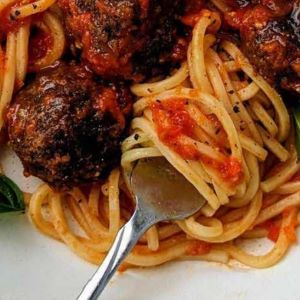
Vegan Meatballs

Olga Kouloufakos serves up a variety of Mediterranean vegan recipes in a previous issue of Vegan Journal. You can prepare Stuffed Tomatoes; Vegan Meatballs (based on mushrooms and oats); Moussaka; Pasta with Chickpea & Mushroom Pesto; and Lasagna.

Read her entire article here: https://www.vrg.org/journal/vj2024issue3/2024_issue3_mediterranean_mainstays.php

To subscribe to Vegan Journal, visit www.vrg.org/member

MASSACHUSETTS STUDENT EZRA LEV KLEINBAUM WINS $10,000 VEGETARIAN RESOURCE GROUP 2025 COLLEGE SCHOLARSHIP

Posted on May 02, 2025 by The VRG Blog Editor

During my first week in high school, I started an animal rights club. As a fourteen-year-old, I stood alone at the club fair, recruiting people older than me to join. The first project we took on was bringing more plant-based foods to the school cafeteria. By the end of my freshman year, we had started Meatless Mondays at the high school and designed lesson plans about the importance of plant-based eating that every high schooler in the district participated in. By the end of my sophomore year, we had expanded Meatless Mondays to every school in the district. We worked with a group of health teachers to revise the middle school wellness curriculum to include education about plant-based eating. By junior year, we had worked to guarantee access to full plant-based options at every school district-wide, and by senior year I had worked with the district to guarantee that a minimum of 50% of food served district-wide would be fully plant-based by 2027. I faced a vocal minority of students who opposed the expansion of plant-based options. However, I ended up collaborating with them to serve plant-based versions of the foods they already love.

During my sophomore year, I recruited students from up and down Eastern Massachusetts and as far west as Sturbridge to advocate for state-level legislation to expand access to plant-based food. We successfully established a commission to make recommendations pertaining to the availability of plant-based food in school cafeterias across the state. By junior year, I was working with a group of students who have successfully brought plant-based food to their school cafeterias, helping other students do the same. I’ve one-on-one mentored students as close as neighboring Arlington, MA, and as far away Houston, sharing the knowledge and skills I’ve acquired through my five years of plant-based advocacy.

You can see a video on Meatless Mondays produced by Ezra here: https://brooklineinteractive.org/meatless-mondays-promo

Support Young Veg Activists

To send support for additional scholarships and internships, donate at www.vrg.org/donate or call (410) 366-8343. You can send a donation to VRG, P.O. Box 1463, Baltimore, MD 21203. You can also donate via your stock donation, your IRA, or a bequest.

Do you know an amazing high school student promoting veganism? If so, let them know about our annual scholarship contest. The deadline for high school seniors is February 20th of each year. To see scholarship rules and past winners, visit www.vrg.org/student/scholar

  • Donate

  • Subscribe to the blog by RSS

  • VRG-NEWS

    Sign up for our newsletter to receive recipes, ingredient information, reviews of new products, announcements of new books, free samples of products, and other VRG materials.

    Your E-mail address:
    Your Name (optional):


↑ Top