The Vegetarian Resource Group Blog

You’ll Love These Mediterranean Vegan Dishes

Posted on February 13, 2026 by The VRG Blog Editor

photo by Hannah Kaminsky

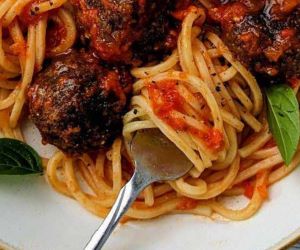
Olga Kouloufakos serves up a variety of Mediterranean vegan recipes in an issue of Vegan Journal. You can prepare Stuffed Tomatoes; Vegan Meatballs (based on mushrooms and oats); Moussaka; Pasta with Chickpea & Mushroom Pesto; and Lasagna.

Read her entire article here: https://www.vrg.org/journal/vj2024issue3/2024_issue3_mediterranean_mainstays.php

To subscribe to Vegan Journal, visit www.vrg.org/member

Vegan Dishes Made with Leeks

Posted on February 12, 2026 by The VRG Blog Editor

photo from Freepik

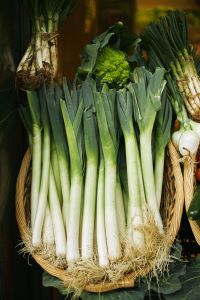
Nava Atlas shares a variety of dishes featuring leeks in an issue of Vegan Journal. Find these vegan recipes: Leek and Potato Soup with Watercress; Warm Leek and Potato Salad; Sautéed Leeks with Fennel and Mushrooms; Mashed Sweet Potatoes with Leeks and Walnuts; Persian-Style Spinach and Leeks with Black-Eyed Peas; and Simmered Tofu with Leeks and Tomatoes.

Read the entire article here: https://www.vrg.org/journal/vj2023issue2/2023_issue2_love_leeks.php

To subscribe to Vegan Journal, visit www.vrg.org/member

VRG’s Annual Scholarship Program for Graduating High School Seniors in the USA Promoting Veganism – Deadline is February 20th, 2026

Posted on February 12, 2026 by The VRG Blog Editor

Due to the generosity of anonymous donors, The Vegetarian Resource Group each year will award one $10,000 and several $5,000 college scholarships to graduating U.S. high school students who have promoted veganism in their schools and/or communities. Entries may only be sent by students graduating from high school in SPRING 2026

We will accept applications emailed or postmarked on or before FEBRUARY 20, 2026. Early submission is encouraged.

Applicants will be judged on having shown compassion, courage, and a strong commitment to promoting a peaceful world through a vegan diet/lifestyle. Payment will be made to the student’s college (U.S. based only). Winners of the scholarships give permission to release their names to the media. Applications and essays become property of The Vegetarian Resource Group. We may ask finalists for more information. Scholarship winners are contacted by e-mail or telephone. Please look at your e-mail.

If you would like to donate to additional scholarships or internships, go to www.vrg.org/donate

Applications

For information on applying, visit: https://www.vrg.org/student/scholar or call (410) 366-8343 or email [email protected].

This contest is sponsored by The Vegetarian Resource Group/Vegan Journal, PO Box 1463, Baltimore, MD 21203.

USDA Issues Implementation Requirements for Use of Plant Milks in the National School Lunch Program

Posted on February 11, 2026 by The VRG Blog Editor

photo from Freepik

by Reed Mangels, PhD, RD

The Whole Milk for Healthy Kids Act of 2025 was signed into law on January 14, 2026. Of interest to vegans, this act permits schools to offer all children “nondairy beverages that are nutritionally equivalent to fluid milk and meet the nutritional standards established by the Secretary (which shall, among other requirements to be determined by the Secretary, include fortification of calcium, protein, vitamin A, and vitamin D to levels found in cow’s milk).” Schools are not required to offer all children nondairy beverages but are permitted to do this. In the past, a request from a parent, legal guardian, or physician was required for a school to provide a plant milk to a child without a disability.

USDA, the department of the U.S. government that administers the National School Lunch Program issued a document detailing the requirements for implementing this act. With regard to plant milks, if a school food authority chooses to offer fortified plant milks to all students, a cup of the plant milk must contain at least 276 mg of calcium, 8 grams of protein, 500 IU of vitamin A, 100 IU of vitamin D, 24 mg of magnesium, 222 mg of phosphorus, 349 mg of potassium, 0.44 mg of riboflavin, and 1.1 mcg of vitamin B12. The milk can be flavored or unflavored. The document goes on to say, “offering nondairy beverages to all students to meet the fluid milk requirements at lunch [note that no mention is made of school breakfast programs] is an option, not a requirement.”

Schools that choose to offer plant milks to all students are no longer required to notify the State agency that plant milks are being served.

Schools that do not choose to offer plant milks to all students must follow the earlier process of a requiring a request from a student’s parent or guardian, a State licensed healthcare professional, or a registered dietitian that identifies the reason for the substitute for students without disabilities. The school is then allowed (but not required) to provide that student a plant milk that meets the nutritional requirements described earlier. A school food authority must inform the State agency if any schools choose to offer fluid milk substitutes for non-disability reasons.

Schools are required to provide a substitute for cow’s milk for students whose disability restricts their diet. Previously, a statement from a State licensed healthcare professional or a registered dietitian was required. Now, a parent or legal guardian may provide a written statement requesting a fluid milk substitute (such as a plant milk) for a child whose disability restricts their diet.

It will be interesting to see how many schools will offer all children “nondairy beverages that are nutritionally equivalent to fluid milk” especially since these products are often more expensive and the act does not provide additional funds to cover the costs of offering plant milks to all children.

For more information about plant milks in school lunch programs see:

Congress Approves Changes to the National School Lunch Program That Could Make It Easier to Get “Nutritionally Equivalent” Plant Milks

What are Some of the Brands of Plant Milk that Can Be Used in the National School Lunch Program?

How to Prepare Vegan Dishes with Different Types of Rice

Posted on February 11, 2026 by The VRG Blog Editor

photo from Freepik

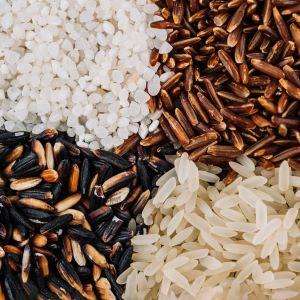
Have you ever noticed how many different types of rice there are? Chef Nancy Berkoff’s article The Long and Short of It – Meet Red, Black, Green, Gold, and Purple Rice! explains what the differences are and how to prepare vegan dishes using a variety of rice. Enjoy Sofrito with Carolina Gold Rice; Spanakorizo; Walnut & Wild Rice Salad; Cashew Coconut Purple Rice; Green Herbed Pilaf; Mango Sticky Rice; and Red Rice Pilaf.

Find the entire article here: https://www.vrg.org/journal/vj2021issue2/2021_issue2_long_short_of_it.php

Subscribe to Vegan Journal at https://www.vrg.org/member/

HOW MANY ADULT VEGANS ARE IN THE U.S.? HOW OFTEN DO AMERICANS EAT VEGETARIAN MEALS?

Posted on February 10, 2026 by The VRG Blog Editor

HOW MANY ADULT VEGANS ARE IN THE U.S.? HOW OFTEN DO AMERICANS EAT VEGETARIAN MEALS?

The Vegetarian Resource Group asks in a 2026 National Survey Conducted by The Harris Poll.

By Reed Mangels PhD RD, Charles Stahler, and Debra Wasserman

Food companies, marketers, researchers, students, and media for years have been asking The Vegetarian Resource Group about the number of vegetarians and vegans. To help answer this question, VRG commissioned The Harris Poll to conduct a nationally representative online poll of 2,096 U.S. adults aged 18 and over. We asked:

Which one, if any, of the following best describes your eating behavior? Please select the option that best applies.

1) I never eat meat, fish, seafood, poultry, dairy, or eggs

2) I never eat meat, fish, seafood, or poultry

3) I sometimes eat meals without meat, fish, seafood, poultry, dairy, or eggs

4) I sometimes eat meals without meat, fish, seafood, or poultry

5) I usually eat meals without meat, fish, seafood, poultry, dairy, or eggs

6) I usually eat meals without meat, fish, seafood, or poultry

7) None of these

We considered those who never eat meat, fish, seafood or poultry; plus those who never eat meat, fish, seafood, poultry, dairy, or eggs, as vegetarian. We classified that second category of vegetarians who don’t eat dairy or eggs also as vegan. Because we use the word “never” and don’t just ask if a person considers him/herself vegetarian or vegan, our numbers may be lower than those reported in other polls.

Sixty-seven percent of adults in the United States always, sometimes, or usually eat vegetarian meals (including vegan), while 33% presumably never have vegetarian meals or vegan meals. Thirty-three percent of adults always, sometimes, or usually eat vegan meals. Five percent are vegetarians, with over half (3%) also being vegan.

This has strong implications for food companies, food services, and restaurants, who have to cater to different audiences.

HOW MANY AMERICAN ADULTS EAT VEGETARIAN AND VEGAN MEALS?

5% Vegetarians Including Vegans

2% Vegetarians who are not Vegans (never eat meat, fish, seafood, poultry)

3% Vegans (Never eat meat, fish, seafood, poultry, dairy, eggs)

8% Usually eat vegetarian meals (not including vegan)

10% Usually eat vegan meals

13% Always or usually eat vegan meals

10% Always or usually eat vegetarian meals (not including vegan)

23% Always or usually eat vegetarian meals (including vegan)

23% Sometimes eat vegetarian meals (not including vegan)

21% Sometimes eat vegan meals

33% Always, Sometimes, or Usually eat vegan meals.

67% Always, Sometimes, or Usually eat vegetarian meals (including vegan meals)

33% Presumably never eat vegetarian or vegan meals

PEOPLE WHO NEVER EAT MEAT, FISH, SEAFOOD, OR POULTRY (Total percentage of vegetarians, including vegans, of U.S, adult population)

5% Total

5% male
5% female

7% Ages 18-34 – significantly higher than those ages 65 plus (2%)
5% Ages 35-44
6% Ages 45-54 – significantly higher than those ages 65 plus (2%)
4% Ages 55-64
2% Ages 65 plus – significantly lower than those ages 18-34 (7%) and ages 45-54 (6%) 6% Northeast*
5% Midwest
5% South
3% West

5% Hispanic – no significant difference compared to White or Black
8% Black (non-Hispanic) – significantly higher than White non-Hispanic (4%)

4% White (non-Hispanic) – significantly lower than Black non-Hispanic (8%)

6% Less than $50,000 annual household income
4% $50,000 – $74,999 annual household income
4% $75,000 – $99,999 annual household income
5%  $100,000 or more annual household income.

4% Homeowner – significantly lower than renters (7%)

7% Renter – significantly higher than homeowners (4%)

4% Married

6% Not Married

6% Urban

5% Suburban

3% Rural

The demographics for those more likely to be vegetarian include adults ages 18-34 (7%) and 45-54 (6%) compared to older adults ages 65 plus (2%), as well as renters (7%) vs. homeowners (4%).Black (non-Hispanic) adults are twice as likely as White (non-Hispanic) adults to be vegetarian (8% vs. 4%).

PEOPLE WHO NEVER EAT MEAT, FISH, SEAFOOD, POULTRY, DAIRY, OR EGGS

(Total Number of vegans as percentage of U.S, adult population)

3% Total

3% male
3% female

4% Ages 18-34
2% Ages 35-44
4% Ages 45-54
1% Ages 55-64
1% Ages 65 plus

4% Northeast*
3% Midwest
2% South
2% West
1% Hispanic – significantly lower than Black (non-Hispanic) (6%)
6% Black (non-Hispanic) – significantly higher than both Hispanic (1%) and White (non-Hispanic (2%)

2% White (non-Hispanic) – significantly lower than Black (non-Hispanic) (6%)

3% Less than $50,000 annual household income
2% $50,000 – $74,999 annual household income
1% $75,000 – $99,999 annual household income
3% $100,000 or more annual household income.

2% Homeowner – significantly lower than renters (4%)

4% Renter – significantly higher than homeowners (2%)

2% Married

3% Not Married

3% Urban

2% Suburban

2% Rural

The demographics of those more likely to be vegan include Black (non-Hispanic) adults who are significantly more likely than both Hispanic (1%) or White (non-Hispanic) adults (2%) and renters who are twice as likely as homeowners (4% vs. 2%).

PEOPLE WHO ALWAYS, SOMETIMES, OR USUALLY DO NOT EAT MEAT, FISH, SEAFOOD, POULTRY, DAIRY, OR EGGS

(Total Number of vegans plus people usually and sometimes eating vegan meals, as percentage of U.S, adult population).

This would appear to be the main market for companies marketing vegan items, though there can be crossover from other groups. For example, individuals or families choosing plant milks because of lactose intolerance, may be eating other animal products. Anecdotally, you may observe this at the supermarket checkout line.

33% Total

32% male
33% female

38% Ages 18-34 – significantly higher than those ages 55-64 (28%) and 65 plus (29%).
34% Ages 35-44
34% Ages 45-54
28% Ages 55-64 – significantly lower than those ages 18-34 (38%)
29% Ages 65 plus – significantly lower than those ages 18-34 (38%)

38% Northeast*
31% Midwest
33% South
31% West
29% Hispanic
37% Black (non-Hispanic)

33% White (non-Hispanic)

31% Less than  $50,000 annual household income
31% $50,000 – $74,999 annual household income
31% $75,000 – $99,999 annual household income
34% $100,000 or more annual household income.

32% Homeowner

37% Renter

35% Married

32% Not Married

35% Urban – significantly higher than rural (28%)

34% Suburban

28% Rural – significantly lower than urban (35%)

The demographics more likely to be eating vegan meals are 18- to 34-year-olds compared to those ages 55 plus (38% vs. 28% ages 55-64 and 29% ages 65 plus), and those living in urban areas compared to those who live in rural areas (35% vs. 28%). Though there isn’t as much difference between all groups as people might expect. So they all seem to be potential markets, depending on your product, and marketing strategy. Price of the product may have different influences for various categories. For example, an expensive meat analog or restaurant meal may be affordable for one group, but not another. A large package of food may be suitable for one family unit, but not a smaller family or single person. Thus, some individuals consuming vegan meals may be looking for meat analogs, while others may be seeking inexpensive and less processed beans.

* The Northeast Includes CT, ME, MA, NH, NJ, NY, PA, RI, and VT. The Midwest includes IL, IN, IA, KS, MI, MN, MO, NE, ND, OH, SD, and WI. The South includes AL, AR, DC, DE, FL, GA, KY, LA, MD, MS, NC, OK, SC, TN, TX, VA, and WV. The West includes AK, AZ, CA, CO, HI, ID, MT, NV, NM, OR, UT, WY, and WA.

With U.S. adults 18 and over numbering about 267 million**, we can estimate the number of vegetarians in the U.S. adult population, (5%) based on this poll, to be approximately thirteen million adults. Vegans included in the vegetarian figure (3% would be around eight million adults.

**https://datacenter.aecf.org/data/tables/6538-adult-population-by-age-group#detailed/1/any/false/1096,2545,1095,2048,574,1729,37,871,870,573/2803/13515,13516

SURVEY METHOD: This survey was conducted online within the United States by The Harris Poll on behalf of The Vegetarian Resource Group from January 6-8, 2026, among 2,096 adults ages 18 and older. The sampling precision of Harris online polls is measured using a Bayesian credible interval. For this study, the sample data is accurate to plus or minus 2.5 percentage points using a 95% confidence level. For more information, contact The Vegetarian Resource Group at [email protected] or (410) 366.-8343.

To see other vegan and vegetarian polls, go to https://www.vrg.org/nutshell/faq.htm#poll  For more information on veganism, vegan recipes, ingredients, vegan college scholarships, and vegetarian restaurants in the U.S. and Canada, see www.vrg.org
Tahini Banana Bread

Posted on February 10, 2026 by The VRG Blog Editor

by Reed Mangels, PhD, RD

The bananas I bought a week ago all went from light green to yellow with lots of black spots seemingly overnight. I could smell bananas when I walked into the kitchen. It was time to make banana bread.

I had a recipe in my files for almond butter banana bread and had noted that it was fine but nothing special. That made me start thinking about developing a recipe using another nut butter. While I love the combination of peanut butter and bananas, that wasn’t the flavor I was interested in. Hmm, maybe a seed butter … I wondered if it would work to create a banana bread recipe with tahini replacing some of the oil. I wanted the sesame taste to predominate so, instead of the chopped walnuts I usually use in banana bread, I used toasted sesame seeds. I was pleased with the loaf of banana bread. It only used one bowl, so clean-up was simple.  It was sweet enough to serve as dessert but not so sweet that the sesame flavor was hidden. The only change I’d make next time would be to add some chopped dried apricots.

Tahini Banana Bread

(makes 1 loaf)

2 Tablespoons ground flaxseeds

5 Tablespoons water

1 cup well-mashed ripe bananas (about 3 medium bananas)

3 Tablespoons tahini

2 Tablespoons vegetable oil (I used canola oil; other neutral flavored plant oils would work)

½ cup vegan sugar

¼ cup unflavored oat milk

2 cups unbleached all-purpose flour (could use part whole wheat pastry flour)

1 teaspoon baking soda

½ teaspoon salt

¼ teaspoon nutmeg

¼ cup toasted sesame seeds

Preheat oven to 350 degrees. Lightly oil a 9” x 5” x 3” loaf pan.

Combine ground flaxseeds and water in a small cup and set aside for a few minutes.

In a large bowl, combine mashed bananas, tahini, and oil and mix well. Add sugar, oat milk, and flaxseed mixture and stir until combined. Add flour, baking soda, salt, and nutmeg, and mix, stirring only until the dry ingredients are mixed in. Fold in the sesame seeds. The batter will be thick. Spoon into the prepared loaf pan. Bake 50 to 60 minutes or until done. Place the baking pan on a wire rack to cool before removing from pan and slicing.

Quick Ideas for Using Canned Beans or Leftover Cooked Beans

Posted on February 09, 2026 by The VRG Blog Editor

Image by timolina on Freepik

Chef Nancy Berkoff’s previous Journal article “Usin’ the Old Bean” offers several easy suggestions for preparing dishes with canned or leftover cooked beans. Nancy says, “Doesn’t it always seem as if you have either leftover cooked beans in the refrigerator or extra cans of beans staring out at you from the pantry? Cooked or canned beans are certainly edible in their natural state. But this can get so boring!”

Some of her international bean dish ideas primarily using garbanzo or white beans (also called Great or small Northern beans) include:

Italian: Toss lightly with tomato sauce, minced garlic or garlic powder (be careful, since garlic “grows” in power as it’s heated), dried red pepper flakes, and chopped fresh or dried basil.

Greek: Toss very lightly with olive oil, chopped fresh parsley, and chopped black olives; if you’d like to serve this cold, toss in some chopped cucumbers and fresh tomatoes.

Central American: Add in chopped fresh or canned tomatoes, chopped fresh cilantro, chopped onions, and chopped green bell peppers; if you’d like some heat, add some Tabasco or hot sauce.

English: Toss cooked white beans with ketchup or used canned vegetarian baked beans and serve on toast. (Beans on toast is a mild English teatime item.)

Indian (and this is a very Anglicized version): Toss cooked lentils or garbanzos with curry powder and chopped onions. If you have the time, purchase garam masala (spice mix) and some tandoori paste, then toss cooked beans with these and bake until bubbly.

Norwegian: Very mild, very pure-cooked, or baked beans flavored only with a small amount of bay leaf.

French: Invest in a small bottle of Herbes de Provence (found in most markets), an aromatic spice blend that includes lavender and thyme. Toss lightly with tomato juice, lemon juice, and Herbes de Provence. If you have the time, you can make a vegan cassoulet by simmering white beans with onion, garlic, tomatoes, vegan sausage, black pepper, and thyme.

Find the entire article here: https://www.vrg.org/journal/vj2003issue1/2003_issue1_cooking_tips.php

Subscribe to Vegan Journal in the USA only here: www.vrg.org/member

Celebrate National Pizza Day with Vegan Pizza!

Posted on February 09, 2026 by The VRG Blog Editor

photo from Freepik

Chef Nancy Berkoff offers creative suggestions on how to make pizza in your home:

Make Your Pizza

Preheat oven to 400 degrees (you can use a toaster oven for individual pizzas). The microwave won’t work for this — no one wants a “steamed” pizza.

Whatever type of “dough” you’ve selected, bake it, if necessary. If using bread, like English muffins or burger buns, slice thin and toast lightly.

Decide on your sauce and toppings — we’ve given some suggestions below. Smooth a thin layer of sauce on your “dough” and then go to town with the toppings — really pile them on.

Place your masterpiece on a nonstick baking dish and allow to bake until your “dough” is crunchy and your veggies or fruit are cooked to the texture you’d like. Times will vary depending on the thickness of the bread you used and the amount of toppings, but can take as little as 7 minutes or up to 20 minutes. Make enough so you can have cold pizza for breakfast, or pack some for lunch!

Super Pizza Combos

  • English muffin topped with mushroom sauce and fresh and canned mushrooms, chopped canned tomatoes, and chopped green peppers
  • Pita with mushroom sauce, topped with three different types of cooked beans, mushrooms, and onions
  • Sliced French bread topped with tomato purée, rosemary, fresh and canned tomatoes, peppers, and onions
  • Baked pizza dough topped with tomato sauce, shredded spinach, basil, oregano, and white beans
  • Sliced burger bun topped with tomato sauce, chopped chilies and peppers, zucchini, and mushrooms
  • Baked pizza dough with orange juice concentrate and peanut butter sauce (mix the two together for the consistency you want) topped with fresh and frozen strawberries, pineapple, chopped walnuts, and coconut, or topped with canned peaches and plums, shredded dried apricots, raisins, and dates

The entire article can be read here: https://www.vrg.org/journal/vj2001nov/2001_nov_cooking_tips.php

To subscribe to Vegan Journal in the USA, visit: www.vrg.org/member

What do the 2025-2030 Dietary Guidelines for Americans Say About Vegan Diets?

Posted on February 06, 2026 by The VRG Blog Editor

by Reed Mangels, PhD, RD

Imagine you’re talking with a new vegan and they tell you that they’re hungry all the time. You ask them what they’re eating, and they tell you they’re eating like they did when they weren’t vegan – they’ve just taken meat, fish, eggs, and dairy products off of their plate. No wonder they’re hungry. They haven’t replaced the calories animal products supplied. In addition, they’re missing nutrients that could easily be supplied by plant foods. Clearly, they need to add a variety of foods such as beans, tofu, tempeh, veggie meats, fortified plant milks, nuts, and seeds, not only to help with the hunger problem but also to meet nutritional needs.

The information about vegan diets in the most recent edition of Dietary Guidelines for Americans is based on an exercise that approached vegan diets in the same uninformed way that our hypothetical new vegan did – take a vegetarian diet and just eliminate dairy products and eggs. No appropriate replacement; just remove those foods. Then evaluate the nutrient content of the hypothetical diet. It’s no surprise that these inadequate diets are described thusly, “vegan diets show broader shortfalls [than vegetarian diets] in vitamins A, D, E, B6 and B12; riboflavin; niacin; choline; calcium; iron; magnesium; phosphorus; potassium; zinc; and protein”(1). Something as simple as adding several servings of cooked dried beans and fortified soymilk would markedly improve the hypothetical menus and eliminate many of the so-called “shortfalls.” But, that’s not what the committee responsible for developing the Guidelines did. They provide little guidance for those Americans following vegan diets other than the vague statement, “To avoid nutrient gaps, prioritize targeted supplementation, diversify plant protein sources for amino acid balance, and enhance mineral bioavailability through food preparation techniques” (1).

Earlier editions of the Dietary Guidelines provided more real guidance including supplying a vegan version of the USDA Food Pattern and developing a “healthy vegetarian eating pattern” that included alternatives to cow’s milk. In addition, earlier editions spoke positively about vegetarian diets and encouraged all Americans to eat more plant foods.

The 2025-2030 Guidelines, as I described in an earlier post, tell vegans and vegetarians to “consume a variety of whole foods, especially protein-rich foods, such as dairy, eggs, beans, peas, lentils, legumes, nuts, seeds, tofu, or tempeh.” Note that, animal-based protein sources are prioritized and are apparently recommended for vegans.

In contrast to the current edition of Dietary Guidelines, earlier editions provided information on calcium sources for those avoiding dairy products. These groups include not only vegans but also those with cow’s milk allergy, lactose intolerance, a dislike of dairy products, or who come from a culture that uses few or no dairy products. The current edition assumes, apparently, that everyone drinks whole cow’s milk. If you don’t, “prioritize targeted supplementation,” whatever that means.

Vegans do need to pay attention to vitamin B12, calcium, iron, zinc, iodine, and vitamin D. Actually, vitamin D adequacy is a challenge for many people, not just vegans (2). Our website and blog posts provide lots of information about good sources of vitamin B12, calcium, iron, zinc, iodine, and vitamin D for vegans. There’s little or no evidence that vegan diets are commonly lacking in vitamins A, E, B6, riboflavin, niacin, choline, magnesium, phosphorus, potassium, or protein. In fact, plant foods are some of the highest sources of many of these nutrients.

What are the implications of this inaccurate information about vegan diets? I hope that vegans, and those interested in vegan diets will seek out more accurate sources of information about nutrition. Websites including the Vegetarian Resource Group, VeganHealth, and the Vegan RD provide reliable, evidence-based nutrition information. I am concerned about settings such as school meal programs, senior meals, and military rations that use the Guidelines as a basis for menu planning and are interested in implementing more vegan-friendly meals. They will not get support or help from this edition of the Dietary Guidelines. I’m concerned about health care professionals who may base their nutrition advice on these flawed Guidelines. I note that the professional organization for registered dietitians, the Academy of Nutrition and Dietetics, states that “some of the recommendations in the DGAs [Dietary Guidelines for Americans] are not aligned with the current body of evidence.” The Academy of Nutrition and Dietetics goes on to point out that parts of these guidelines will make it difficult for registered dietitians to apply the guidelines in ways that meet the needs of “a broad spectrum of populations.”

The most recent Dietary Guidelines are deeply flawed in terms of nutrition advice for vegans and, truly, for all Americans. In a future post, we’ll look at their meal plans which prioritize animal-based foods.

References

  1. Dietary Guidelines for Americans, 2025-2030. https://cdn.realfood.gov/DGA.pdf.
  2. Palacios C, Gonzalez L. Is vitamin D deficiency a major global public health problem? J Steroid Biochem Mol Biol. 2014;144 Pt A:138-45.

To read more about the Dietary Guidelines for Americans see:

2025-2030 Dietary Guidelines for Americans Released

The Vegetarian Resource Group Submitted Testimony Concerning the Scientific Report of the 2025 Dietary Guidelines Advisory Committee

VRG Testimony on 2025-2030 Dietary Guidelines

The Dietary Pattern in Dietary Guidelines for Americans Could Easily Be Made Vegan and Nutritionally Adequate

What Have the U.S. Dietary Guidelines Said About Vegan and Vegetarian Diets?

2020-2025 Dietary Guidelines for Americans Released

VRG’s testimony about the 2020 Dietary Guidelines and the Scientific Report Underlying the 2020 Dietary Guidelines

  • Donate

  • Subscribe to the blog by RSS

  • VRG-NEWS

    Sign up for our newsletter to receive recipes, ingredient information, reviews of new products, announcements of new books, free samples of products, and other VRG materials.

    Your E-mail address:
    Your Name (optional):


↑ Top