Posted on
April 02, 2025 by
The VRG Blog Editor
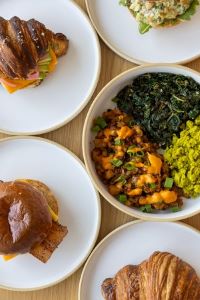
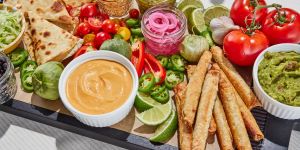
photo from Little Loaf Bakeshop
The Vegetarian Resource Group maintains an online Guide to Vegan/Vegetarian Restaurants in the USA and Canada. Here are some recent vegan restaurant additions. The entire guide can be found here: www.vrg.org/restaurant
To support the updating of this online restaurant guide, please donate at: www.vrg.org/donate
Here are some new additions to VRG’s guide:
Abuelita Coco, 4821 W. 95th St., Oak Lawn, IL 60453
If Breakfast has you feeling the love—for chocolate that is— Abuelita Coco offers Cacao Amor Toast with dark chocolate hazelnut spread, strawberries, bananas, cacao nibs, and hemp seeds on sour dough. There are also Chilaquiles—handmade tortillas with sour cream, onions, salsa, and cheese along with rice and beans and several more choices. For Afternoon, besides Guacamole, Nachos, and Chip Appetizers, there’s also Corn Ribs or Chaskas (Corn in a Cup) with mayo, cayenne, cheese, key lime, and pink salt. One Sandwich selection is La Nieta Mushrooms al Ajo (in garlic) on toasted sourdough with avocado, lettuce, tomato, mustard, and mayo. Besides Enchiladas and Burritos, the Tres Taco Dinner option offers your choice of Asada with mushrooms, onions, cilantro, house salsa, and lime; Birria—shredded jackfruit in chile adobo, cilantro, and onion; or Al Pastor, a blend of Guajillo, (chile pepper) mushrooms, pineapple, cilantro, and onion. Picadillo is a bold broth with red chili, shredded jackfruit, potatoes, and tangy tomatillos with rice and homemade tortillas. Flautas de Papa feature crispy handmade corn tortillas filled with mushroom and potatoes, pickled red cabbage, and cashew sour cream. Some weekend additions are Pozole crafted with jackfruit and chicpeas in a smoky red chile broth, with radish, red cabbage, lime, onions, and chips, as well as Menudo with mushrooms slow simmered in a spiced broth with handmade tortillas and rice. They have loads of almond mylk based Smoothies. If you’d like to “blue sky it,” one choice is Celito Lindo (Cute little Sky) featuring pineapple, dates, almond butter, and blue spirulina. They offer lots of add-ins too like lucuma, sea moss, goji berries, and many more. Some Cold Drinks are Horchata and Kombucha. Some Hot Beverages are Rose, Butterfly Pea Flower with maple syrup, and other Herbal Lattes besides Herbal Coffee. They offer Ginger and various Herbal Shots too. Sweets include Vanilla, Chocolate or Strawberry Milkshakes, Chia Pudding, Flan, and House-made Ice Cream in varying flavor choices.
Brunch Box, 211 E. Walnut St., Springfield, MO 65806
Motivated by compassion for animals, Brunch Box offers vegan savories and sweets. Breakfast brings Tacos, Quesadillas, Burritos, Chia Pudding with Berry Compote, Fruit Cup, Biscuit and Sausage with Gravy, Sandwiches on Ciabatta, Croissant, or English Muffin and Griddle Cakes all with egg and cheese and, if you like, sausage, bacon, or a chicken patty as well. Weekend not complete without Cartoons? There’s Scooby Doo Hot Chocolate, She-Ra Lavender Latte, T.M.N.T. Turtle Latte, and more. For your sweet tooth, they bake cakes, cupcakes, pies, cinnamon rolls, fritters, and many other goodies.
Gentle Grill, 43053 Margarita Rd., Ste. B105, Temecula, CA 92592
With gluten-free options, organic produce delivered daily, and all sauces made from scratch, they focus on compassion, social responsibility, sustainability, and health. Breakfast choices include Overnight Oats topped with fruity nutty goodness and extra-firm Tofu Scramble sautéed with Bell peppers, onions, spinach, and tater tots, Pico de Gallo, and homemade Applewood bacon, Breakfast Burrito or Avocado Toast, balsamic drizzled, on sourdough with basil and feta. For Starters there are Fries–Gentle Style with caramelized onions, or Poutine Style with house-made “beef” gravy—both with melted vegan cheddar, a Hummus Platter with roasted red pepper, tzatziki, pita and veggies, Cauliflower Buffalo Bites battered and seasoned with ranch and more. Some Sandwiches are Reuben with sauerkraut, vegan Swiss cheese, house 1000 on rye and Pastrami with mustard, lettuce, and pickles on a potato bun. Both are crafted with house made seitan. There’s also marinated Jack Fruit Pulled Pork and various Burritos. Feel like bowling? To note a couple, there’s Cabo Bowl served warm with cilantro-lime quinoa, crispy chicken, black beans, corn, tomato, pickled jalapenos, and chipotle cashew cheese dressing; Gyro Bowl of house made seitan, onions, tomatoes, and Tzatziki sauce on romaine; and Minestrone Soup of rosemary scented tomato broth, fresh herbs, hearty vegetables, kidney beans, and pasta served with sour dough garlic bread. They have Salads too. Kids Menu varies, but may feature Chicken Nuggets, Cheese Quesadilla, Bean and Cheese Burrito, or Refried Beans N’ Cheese. All come with fruit or fries. A couple of their fountain drinks are Stubborn Draft Agave Vanilla Cream and Pineapple Cream Soda. Desserts include Peanut Butter Brownie, Chocolate Chip Cookie, and Donuts in varying flavors.
Little Loaf Bakeshop, 218 Main St., New Paltz, NY 12561
Little Loaf BakeShop delights in crafting their food with creativity and fun. Adding to their charm, Little Loaf is named after the owners’ cats because the cats remind them of loaves of bread when they sit with “their little front legs under their bodies.” Breakfast Lovers—it’s available all day here! Choose from Egg and Cheese with JustEgg patty, Violife Cheddar or BLAT with Thrilling Bakon, lettuce, avocado, and sun-dried tomatoes–both served on a croissant or pretzel brioche. There’s also the Bowl with roasted potatoes, pumpkin seed scramble, braised kale, cheese sauce and scallions. A few Lunch options are Steak and Cheese Sando with house-made seitan, oat cheeze, peppers, and onions on ciabatta, and Italian Tofu Sando (on focaccia) or Italian Tofu Bowl (with brown rice)—both with sautéed mushrooms, roasted red pepper, kale pesto, greens, and Treeline ricotta. Specials include dishes like Cream of Broccoli Potato Soup, or Cheddar and Apple Bowl (with millet, chickpeas, roasted Delicata squash, and maple Dijon) or Cheddar and Apple Toastie (on Brioche with fried sage). Both have Urugula Tangy Cashew Cheese, sautéed leeks, and Granny Smiths. Their sweet baked goods vary, but generally include a large assortment of pies, Danish, cookies, cupcakes sticky buns, sweet breads, and more. One of their newest additions is fresh Grapefruit and Goat Cheese Danish with grapefruit pastry cream, and agave drizzle infused with fresh thyme. To see exactly what desserts they’re serving at any given time, you might just have to visit! Props to Little Loaf for their appreciated transparency in including an ingredient webpage too.
Lotus Moon Vegan Pho, 2770 Pearl St., Ste. A, Boulder, CO 80302 Appetizers include chicken drumsticks; fried calamari served with marinara sauce; and summer rolls that can be ordered with a choice of plant-based protein such as tofu, vegan beef, or vegan shrimp. Main courses include pho made with shitake mushrooms, carrots, daikon, boy choy, and choice of veggie meat or tofu; banh mi baguette sandwich with pickled veggies and choice of tofu, vegan ham, or vegan steak; and a vermicelli bowl served with grilled toppings and choice of spring roll or summer roll. Desserts on the menu include black bean brownies served with ice cream and mango sticky rice.
Smash Me Baby, 333 W. St. Louis, Las Vegas, NV 89102
Smash Me baby is especially proud of their Nut-Free Burgers. Among several choices of Burgers and Sandwiches, a few are Smashed Truffle Burger featuring house made truffle aioli, shaved truffle, grilled onions, grilled mushrooms, two seasoned plant-based patties, and smoked vegan cheese on a bun, Patty Melt of grilled onions, raw onions, seasoned plant-based patty, smoked house vegan Swiss cheese, vegan American cheddar cheese, and secret sauce on toasted sourdough bread, very spicy Nashville Hot Chick’n crafted with house seasoned Nashville style plant-based Chick’n patty, house fermented coleslaw mix, pickles, and secret sauce on a soft bun, and a Breakfast Sandwich of house made “egg,” plant-based sausage, plant-based American cheese, smashed hash browns, and secret sauce on toasted Brioche. They also serve Tacos with house marinated plant-based meat, pickled onions, house vegan mozzarella, secret sauce, jalapenos, cilantro, and lime in a soft flour tortilla. Sides include Crispy Chips, Crunchy Fries, and Chik’n Nuggets with their secret sauce. Onsite parking is available.
Webster’s Bookstore Café, 133 E. Beaver Ave., State College, PA 16801
If you happen to be near Penn State and searching for vegan food, look no further. After being open for 25 years, this bookstore café has gone all vegan. Enjoy items such as the Breakfast for Champions (scrambled tofu, roasted potatoes, and fruit or kale salad); Giovanni’s Room Sandwich (Walnut Pate, craisins, grilled apples, greens, and thaihini dressing on a grilled roll); Falafel Wrap (Falafel patties with hummus, tomatoes, cucumbers, greens, and thaihini sauce grilled in a tortilla wrap); plus salads, soups, bowls, sides, and more. On Sundays they have a vegan brunch buffet!