Bon Appétit Management Company announced a climate change policy to reduce emissions by 38%, per calorie of food, by 2030. They said, “In tandem, Bon Appétit is also introducing a set of tools to assist clients in meeting their own emissions reduction goals. As a food service management company with operations on the sites of colleges and universities, corporate offices, and cultural institutions in 33 states, Bon Appétit’s food purchases represent the vast majority of its total emissions. The processes of growing, transporting, packaging, and refrigerating food culminate in one-third of all anthropogenic greenhouse gas emissions worldwide.”
Bon Appétit stated, ”
Bon Appétit will continue to track red meat and cheese consumption through the Food Standards Dashboard, as it has done since 2007, and has set an aggressive target of less than 1-ounce-per-guest-per-meal for beef and less than 2.5 ounces for all meat, poultry, and seafood.
Bon Appétit’s Plant-Forward Culinary Collaborative – a working group of chefs tasked with creating plant-forward resources for the company’s culinary staff – will work together with the company’s wellness team to conduct regional plant-forward trainings, helping to skew menus away from carbon-intensive meat and cheese, and toward plants.”
All
across the United States and Canada, you can find food trucks selling vegan and
vegetarian food. Whether it’s tacos, falafel, injera, or fried chicken, there’s
a food truck for it. They’re becoming increasingly popular due to their
versatility and accessibility. Because the vegan population of the U.S. is
fairly small compared to the meat-eating population, would-be restaurant owners
are sometimes hesitant to open a fully-fledged all-vegan restaurant. But food
trucks are the perfect solution—they’re more affordable; both for the
restaurant owner, and for the customers.
The very nature of a food truck allows it
to travel—which means you can find food trucks at parks, bars, farmers markets,
concerts, and other special events. These are all public spaces, attended by
people of all lifestyles and diets. Vegan food trucks being located in these
spaces increases the accessibility of veg-friendly food for those who are not
vegan. And it may even prove to many people that vegan food can be cheap and
delicious! Many vegan food trucks also travel to areas that have very little
access to fresh, nutritious foods—such as “food deserts.” The trucks selling
their food in these communities can help increase accessibility to vegan food
for those who would not normally have it.
A popular vegan food truck in my city resides
at a different brewery each day out of the week, all in different parts of town.
With the truck being located in so many different kinds of spaces, it exposes
typical meat-eaters to vegan and vegetarian foods that they wouldn’t have
otherwise tried. The truck— Sage Against the Machine in Bellingham, WA— serves
a wide range of affordable, tasty vegan meals. They offer comfort foods made
vegan, like chili dogs and vegan mac n’ cheese. Offering meat-eaters vegan
versions of these foods that they enjoy is a great way to expose them to vegan
food and prove that it doesn’t have to be expensive or hard-to-find.
Part of the marketing strategies of food
trucks like Sage Against the Machine is to offer merchandise such as shirts or
stickers. People using the merchandise spread the word throughout the city
about vegan food. They also offer punch cards, where you buy ten meals and get
one free. So, even people who aren’t vegan will return to the food truck
continuously so that they’ll get their reward! Food trucks oftentimes display
colorful, artistic exteriors to catch people’s eyes. Having distinct logos and
colors allows food trucks to become easily recognizable, and become established
as well-known eateries in their communities.
Do you have a food truck in your city that
offers vegan or vegetarian food? Tell friends and family about it, or post
positive reviews on social media. Also, contact the truck to let them know about
upcoming local events—including concerts, marathons, farmers markets, or art
shows. That way, the truck can offer its services to the event and they can
serve food there! Or, if you’re planning an event, invite the food truck to
attend! I invited two vegan food trucks in my city to an environmental and art
event I was planning. Tons of meat-eating people got to experience yummy vegan
food that day!
Unlike a traditional restaurant, people may happen upon a food truck by chance rather than purposefully seek it out. This is why food trucks are the future of popularizing the vegan and vegetarian lifestyle. While a meat-eater may never choose to get dinner at a sit-down vegan bistro, they may find themselves at a concert where the food truck serves vegetarian food! These trucks work hard to market their food towards all kinds of people—and we should continue to support them in our communities if we have them. If you don’t have a food truck in your area that serves vegan or vegetarian food, try to seek them out while you are traveling!
When it’s hot outside, and maybe even hotter inside, the
soups and hearty casseroles we crave in cooler weather don’t sound appealing.
Besides, no one wants to have the oven heating up their kitchen or to spend
time over a hot stove on a steamy summer day! Some of these dishes can be
prepared in the morning when it’s cooler and some don’t require cooking.
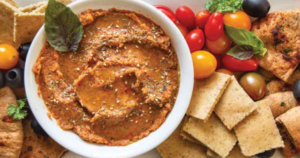
Hummus or other bean
spreads
1. Dip cut up vegetables, crisp fruits, and crackers or
tortilla chips in homemade or purchased hummus
2. Roll hummus and chopped vegetables in a whole-grain
tortilla
3. Spread white bean dip on sliced baguettes and top with
strips of roasted red pepper
4. Warm corn tortillas in a skillet and top with pinto bean
spread, salsa, chopped tomatoes, and shredded lettuce
5. Top a microwaved potato or sweet potato with a bean
spread. Try a garlicky hummus on a white potato or roasted red pepper hummus on
a sweet potato.
Sandwiches – serve
with fresh fruit and a side salad
6. Tofu salad with sliced tomatoes in a pita pocket
7. Not-tuna salad (made with chickpeas, vegan mayo, chopped
celery, and spices to taste) on toasted rye bread
8. Marinated tofu with sprouts or lettuce, shredded carrots,
and peanut sauce in a wrap. Marinated tofu and peanut sauce can be purchased or
homemade
9. Sliced bagel with nut butter and sliced fruit (try
nectarines, peaches, or other fruit in season)
10. Vegan deli slices on a sub roll with vinaigrette
dressing, tomatoes, and lettuce
Salads – make ahead
and chill until dinner; can serve with a fruit salad and bread
11. Potato salad with black beans, corn, and a salsa
dressing
12. Pasta salad with chickpeas, cherry tomatoes, fresh
basil, and Italian dressing
13. Spaghetti with a soy-sesame dressing tossed with cubes
of baked tofu and steamed (or microwaved) broccoli
14. Rice salad with adzuki beans, diced carrots and
cucumbers, and a sweet chili sauce
15. Peanut noodles with water chestnuts and red pepper
strips
16. Taboulleh (bulgur with parsley, scallions, mint,
tomatoes, and cucumbers in a lemon-olive oil dressing) with chickpeas
17. Three bean salad
18. Shredded cabbage in a soy-sesame dressing with baked
tofu or seitan strips
19. Quinoa and bean salad with shredded kale and a cumin-lime
vinaigrette
20. Chef salad with strips of vegan deli slices and cubed or
grated vegan “cheese”
Miscellaneous
21. Veggie sushi – homemade or purchased
22. Smoothie made with plant milk, silken tofu, fresh and/or
frozen fruit; can add nut butter and leafy greens for a meal in a glass
23. Vegan yogurt with berries and chopped nuts on a toaster
waffle
24. Gazpacho garnished with croutons, chopped tomatoes and
cucumbers, and avocado slices
25. Rice paper wrappers filled with rice noodles, shredded
Napa cabbage, baked tofu, cubed mango, and chopped peanuts
Finland, a country in northern Europe, has done something
that few other countries have – issued nutritional guidance for vegans. The
Finnish Food Authority, which issued this guidance, is a government entity
under the Ministry of Agriculture and Forestry. According to its website, the
Finnish Food Authority “works for the good of humans, animals and plants,
supports the vitality of the agricultural sector, and develops and maintains
information systems.”
The Finnish Food Authority recommends that a vegan diet
“contains cereal products, vegetables, legumes, nuts, seeds, fruit, berries and
vegetable fats as well as a nutritious milk replacement drink.” A vegan plate
is described as consisting of one third foods supplying protein including whole
grains and legumes, one third raw and cooked vegetables, and one third
additional carbohydrates such as pasta, potatoes, or barley. Supplements of
vitamin D, vitamin B12, and iodine are recommended. A “carefully composed”
vegan diet can be used by pregnant and breastfeeding women, children and teens.
These guidelines are complemented by a section in Eating Together, the national food recommendations for families
with young children. This section provides additional information about vegan
diets in pregnancy and lactation and for infants and young children. According
to this text, vegan infants should be exclusively breastfed for the first 4-6
months with breastfeeding continuing at least until age 1 year. After 1 year,
the recommendations call for use of a drink made from soy, oats, quinoa, or
other grains (excluding rice) that is fortified with calcium and vitamin D and
designed for young children. Vegan families shall be provided with guidance by
a nutritional therapist and children’s growth should be monitored.
These sensible guidelines should be adopted, with
modifications for country-specific foods, by other countries, including the
United States.
As a
low-income plant-based teenager, I am always on the lookout for delicious vegan
dishes that won’t break the bank. Thus, I tasked myself with finding out the favorite
low-price vegan foods of my fellow interns.
Lucia
Rivera, a current intern at The VRG from California, has been vegetarian for
ten years and vegan for one. Like me, some of her favorite cheap vegan foods
are beans. Beans are a nutritious staple that can be the base of a meal or
added as a side to any dish. No matter if you buy beans dry in bulk or canned,
they are an inexpensive and nutritious food to stock up on. Lucia also offered
some advice for finding low-cost vegan groceries, “Choosing
certain places to shop can be helpful. For example, a grocery store like
Grocery Outlet often offers the same vegan meat substitutes for a lot cheaper
than a store like Sprouts or Whole Foods does.” I have found this to be true as
some of my go-to items, vegan pasta, soups, frozen vegetables, and even cans of
beans, are cheapest at stores like Dollar General or Family Dollar.
Callie Showalter, a current intern from Washington who has been
vegetarian for nine years and vegan for four, and Rachel Eldering, a dietetic
intern from Virginia and vegetarian of six years, are also fans of beans.
Callie’s favorite inexpensive go-to vegan dish is Spanish beans and rice, and
Rachel dishes out rice, beans, and vegetable dinners.
When it comes to finding cheap vegan snacks, I recommend
thinking about what snacks you already eat that happen to be vegan. Callie
Showalter snacks on carrots and hummus, popcorn, and apples with peanut butter.
Lucia Rivera goes for a classic, peanut butter and jelly. Ksheetisha Bhat, an
intern from Michigan and a vegetarian since birth, loves snacks such as vegan
fruit gummies or chips with salsa. And I’m a fan of nuts, dried fruit, and
granola. When you stop looking for foods labeled as vegan, and start looking
for plant-based foods you already love you will find that you already know of a
lot of cheap vegan food options.
I hope that hearing some of the low-cost
vegan favorites of The VRG interns ensures you that so matter your financial
situation, there are vegan foods that can fit your budget.
The contents of this posting, our
website, and our other publications, including Vegetarian Journal, are not
intended to provide personal medical advice. Medical advice should be obtained
from a qualified health professional. We often depend on product and ingredient
information from company statements. It is impossible to be 100% sure about a
statement, info can change, people have different views, and mistakes can be
made. Please use your best judgment about whether a product is suitable for
you. To be sure, do further research or confirmation on your own.
– Virtual Event for Veggie Teens featuring Reed Mangels, PhD, RD from The Vegetarian Resource Group and sponsored by the San Jose, CA public library system.
– Impossible Foods, the maker of the Impossible Burger,
recently announced that they have obtained Child Nutrition labels for
Impossible Burger products. What does this mean?
– Find out more about Vegan Camp opportunities while space
may still be available in limited weeks this summer. [email protected]
https://www.facebook.com/groups/VRGparentsandkids is intended to be a
group that offers support for families raising children on vegan diets and for
vegan kids around the world. We envision it as a place to get advice about a
wide-variety of topics: pregnancy, birthday parties, school lunches, Halloween,
non-leather apparel, cruelty-free products, summer camps, and more. Please use it
as a place to share your wisdom, seek advice, or just find a sympathetic ear.
The goal is to offer support.
Consequently, any profane, defamatory, offensive,
or violent language will be removed. Feel free to disagree, but do so
respectfully. Hateful or discriminatory comments regarding race, ethnicity,
religion, gender, disability, sexual orientation, or political beliefs will not
be tolerated. We expect that posts should relate to vegan diets and lifestyles.
The Vegetarian Resource Group reserves the right to monitor all content and ban
any user who posts in violation of the above rules, any law or regulation,
SPAM, or anything otherwise off topic.
Please share this information
with any veggie families that you know! Thanks.
By Hannah Etman and Rachel Eldering, University of Maryland Dietetic Interns (Written during a rotation at The Vegetarian
Resource Group)
Residential programs are a great option for
people to find the support they need, get back on their feet, and even take
classes to enhance practical skills. Christopher Place, an employment academy
for men experiencing homelessness in Baltimore, Maryland, provides education,
training, and recovery support for these men. The men commit to a minimum of
six months in the program with the goal of gaining the skills and financial
stability necessary to be successful after their stay. Christopher Place aims
to aid the transition from homelessness, substance abuse, or dependency to
finding employment and living a stable life. The Vegetarian Resource Group (VRG)
member Marcy Schveibinz is privileged to teach 8-week sessions to the men at
Christopher Place on various topics under the general umbrella of vegan eating.
These classes help build knowledge and practical skills surrounding food.
While
completing our dietetic internship rotation with VRG, we had the opportunity to
gain perspective on those who worked with Christopher Place. We spoke to two VRG
interns, Adhi and Julia, as well as Marcy, a VRG volunteer, who has been
leading the classes. Each one of them had valuable points to share when talking
about their experiences with Christopher Place.
At
Christopher Place, Marcy leads a structured classroom program in 8-week
sessions, focused on vegan eating, where VRG interns also have the ability to
create their own presentations for the classes. This class was originally
created through a donation. The donation came from a vegan man who requested
the money be used to teach about vegan eating. To gain more insight into these
classes, we interviewed Adhi, Julia, and Marcy.
Marcy
is a certified wellness coach through the Mayo Clinic. She has been teaching
the class for about three years. There are different groups of men each time,
making it a varied experience for her—with the class being very engaged
sometimes, and less so other times. Regardless, Marcy says that it is always an
eye-opening experience for the men. As you can imagine, the class structure has
changed significantly due to Covid-19. Prior to the pandemic, Marcy would go to
the classroom with a portable burner and ingredients for the dish she was to
cook that day. She provided cooking demos incorporating education and
discussion, then a taste test. Since the pandemic, the class has moved online
and is largely discussion-based. With the men, she discusses their eating
habits, assesses their food-related knowledge, and facilitates conversations
surrounding food. Marcy’s intent for the class is to have the attendees realize
that vegan cooking does not have to be difficult and can taste great. She wants
the men to feel confident and well-versed in their food choices. Other topics
that Marcy likes to cover in class include basic nutrition, diet and disease,
glycemic index, benefits of eating vegan, and more. Now, Marcy is cleared to
start teaching some classes in-person again. For her current session, the first
6 classes will be virtual and the last 2 will be in-person where they will get
to do cooking demos. On her overall takeaway from this experience, Marcy says,
“I feel grateful for the opportunity to be able to meet and get to know these
men.” She takes pride in being able to collaborate with and educate these men
about food choices while empowering them.
We also
interviewed VRG intern Adhi (A Cornell nutrition student) on her experience
teaching at Christopher Place. Adhi says that Marcy gives the interns freedom
when allowing them to teach. For the first session Adhi got to choose her topic
that she wanted to teach on, then she made a presentation and practiced it with
Marcy. After each session, they continue to refine the presentations together.
Adhi’s chosen topics were legumes, health benefits, and recipes. In total, Adhi
will have taught five classes once the 8-week session is over. Adhi described
her valuable experience learning from Marcy—she was able to observe classes,
getting to see the tools that Marcy uses such as videos and interactive
discussions. On her favorite aspect of teaching at Christopher Place, Adhi says
that when she presents on new topics, she feels a sense of awe in the room as
the men take in this information. Their excitement over her topics, especially
the recipes, has excited her and she feels that she can see the men slowly
become more open-minded and amenable to changes with food.
VRG
intern Julia has also had a positive experience thus far working with
Christopher Place. She says she has come to feel comfortable and confident
talking to the men and sharing her knowledge of food. Since January, she has
taught four classes on the topic of vegan eating on a budget. Julia told us
that working with Marcy has been valuable, as she is kind, communicative and helpful.
We asked Julia if she had any advice for working in a capacity similar to
Christopher Place and she recommended engaging participants by asking them
questions and to keep the conversation casual, rather than rehearsed. Based on
her experience, she said that the men have been talkative, fun, and that they
ask great questions.
For
Marcy, Adhi, and Julia, teaching classes at Christopher Place has been a
rewarding and engaging experience. From what we learned during the interviews,
it seems that the men also benefit greatly from being able to attend these
classes. Empowering others to make their own choices about food, while also
expanding their knowledge and conceptions surrounding food, is crucial to keep
people well-informed and excited. We are grateful that we were given the
opportunity to gather more perspective on this unique aspect of VRG through
interviews.
For more information about Vegetarian Resource
Group internships, see
The Vegetarian Resource Group maintains an online Guide to
Vegan/Vegetarian Restaurants in the USA
and Canada.
Here are some recent vegan restaurant additions. The entire guide can be found
here: http://www.vrg.org/restaurant/index.php
To support the updating of this online restaurant guide,
please donate at: www.vrg.org/donate
Here are some new additions to VRG’s guide (Note: Due to
the COVID-19 pandemic many are doing take-out
and/or delivery now):
Black
Squirrel Bake Shop, Madison, WI 53715
Black Squirrel Bake Shop offers fully vegan cakes and
cupcakes made with primarily local and sustainable pedicures. Flavors range
from classic and mocha to cherry almond and lemon raspberry plus much more. You
must pre-order baked goods and pick them up.
Bori
Vegan, 1 Calle Arbolote, Guaynabo, PR 00969
At Bori Vegan you can find a variety of healthy vegan
options based on Latin cuisine, including tostadas, tacos, stuffed avocados,
and much more. They also offer many smoothie options and a poke bar. Their
walls are adorned with bright colored paint and a motto “We aren’t a business,
we’re a movement.”
Coconut
Whisk Café, 511 W. 25th St., Minneapolis, MN 55402
Everything is vegan, gluten-free, and peanut-free. They
offer “reimagined pancakes, waffles, and Boba” (bubble tea). Also sells vegan
and gluten-free baking mixes: cakes, pancakes, and cookies!
Conscious
Creamery, The Gelateria, 3400 Broadway, Sacramento, CA 95817
Situated in a shipping container style building in the
trendy Oak Park neighborhood, Conscious Creamery gelateria specializes in
handcrafting vegan ice cream. They offer
creamy gelato style vegan ice cream by the pint, in cones, or in ice cream
bars, sundaes, and shakes, and even a vanilla fudge gelato taco. Although they have a few regularly recurring
flavors, their menu constantly rotates, as they always offer several small
batches of new flavors, based on seasonally available local produce. Apart from
the ingredients available locally, they source cocoa, vanilla etc. organic and
fair-trade wherever possible and avoid artificial fillers, artificial
stabilizers, artificial flavors and artificial colors, as well as animal
products, soy, and gluten; their gelato is based around cashews and vegan sugar
or maple syrup, with nuts, seeds, and fruits added for flavorings. They also
extend their environmentally friendly ethos to their biodegradable cups and
spoons, and cases for catering that require no electricity or gas generators.
Dank
Street, 1808 Monroe Ave. NW, Ste. B, Grand Rapids, MI 49505
Vegan and gluten-free, farm to street food. Rotating weekly
menu inspired by seasonal harvests. For example, current menu includes: Ya
Mama’s Bowl-soulful curly kale greens, garlic-herb butter beans and candied
yams; The Meg Dank Taco-An XL Spin-herb GF flour tortilla with ago spread
filled with healthy portion of roasted parsnip topped with chipotle aioli,
serrano pepper and cilantro. Mouth-watering sides available.
Good
Choice Kitchen Café, 147 Main St., Ossining, NY 10562
Good Choice Kitchen Café is a vegan café and a cutlery
center with a variety of options for eating and learning. They provide private
weekly meal plans, cooking classes, and wellness events. They serve breakfast items,
soups, savory bowls, wraps, juices, smoothies, and more. Examples of items they
have are Vegetable Tikki Masala (seasonal vegetables and lentils in spicy
tomato-coconut sauce, your choice of grain: polenta, basmati brown rice,
quinoa-millet), Almond Pudding (chia, almond butter, almond milk, maple syrup,
sunflower seeds, pumpkin seeds, additional topping), and Fruit Crépe (blueberry
or apple cinnamon). They are located near the Hudson river and Croton bay.
Grains,
2201 Adams Ave., San Diego, CA 92116
Grains is a restaurant where East meets West in many
fusion dishes. There are a variety of options from drinks, appetizers, salads,
to main courses. Some examples of appetizers are Tokyo Fries (crispy fries
topped with crunch tempura flakes, wasabi cream, sweet soy, sesame seeds, and
seaweed), Dragon Balls (crisp and chewy sesame balls filled with red bean
paste), and Buffalo Cauliflower (served with vegan ranch, fresh carrots,
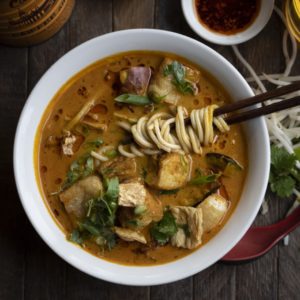
celery). Some examples of main courses are Tom Kah Soup (Coconut broth + lime
juice + lemongrass + galangal + tofu + mushrooms + carrots + onions + cherry
tomatoes + kaffir lime leaves + scallion + cilantro served with Jasmine wild
rice) and Philly Cheese Sandwich (Mushrooms + bell peppers + caramelized onions
+ vegan cheese). They are located in the pocket neighborhood of University
Heights in San Diego.
Subculture,
227 Lark St., Albany, NY
12210
Subculture’s menu is inspired by American comfort foods.
The menu features a variety of sandwiches and burgers including a Reuben with
pastrami-style seitan, jackfruit tuna salad, and the Philly cheesesteak made
with marinated seitan and cheddar wiz. Buffalo and barbeque wings are available
on their own and as part of a wing burger.
Vegan
Street Kitchen and Lounge, 1111 7 St. SW, Calgary, AB T2R 1A1 and 1413 9 Ave.
SE, Calgary, AB T2G OT4 Canada
Vegan Street offers a range of Latin fusion and vegan
comfort food. Menu favorites include Street fries, no-fish chips, Nashville
chickin’ sandwich, deluxe nachos, no-fish asada mushroom tacos, and more!
Wicked BOLD Vegan Kitchen is taking snacking to another
level with their plant-based charcuterie. Indulge in their array of vegan
cheeses, guacamole, and salsa. If you are looking for a meal then try out one
of their sammies like The Italian made with fresh vegan pastrami, pepperoni,
and mozzarella drizzled with delicious oil and spices. Make sure to order some
of the specialty desserts chocolates from the Wicked BOLD Spicy Chocolate to
their Chocolate Fondue Board.
Jasmine Leilani Westerdahl (a 2016 VRG Scholarship winner) received her Master of Science Degree and the LLU President’s Award as the outstanding student graduate at the LLU School of Allied Health Professions at the 12:37-13:28 minute portion of this video of the entire graduation ceremony. You can watch Jasmine receive her degree and award by going to that part of the video: https://vimeo.com/558645609
The Vegetarian Resource Group (VRG) is a non-profit organization dedicated to educating the public on veganism and the interrelated issues of health, nutrition, ecology, ethics, and world hunger. We have been helping health professionals, food services, businesses, educators, students, vegans, and vegetarians since 1982. In addition to publishing the Vegan Journal, VRG produces and sells a number of books.
Sign up for our newsletter to receive recipes, ingredient information, reviews of new products, announcements of new books, free samples of products, and other VRG materials.