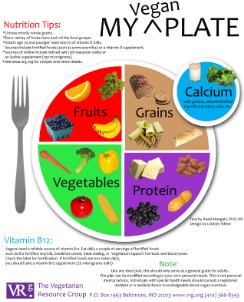
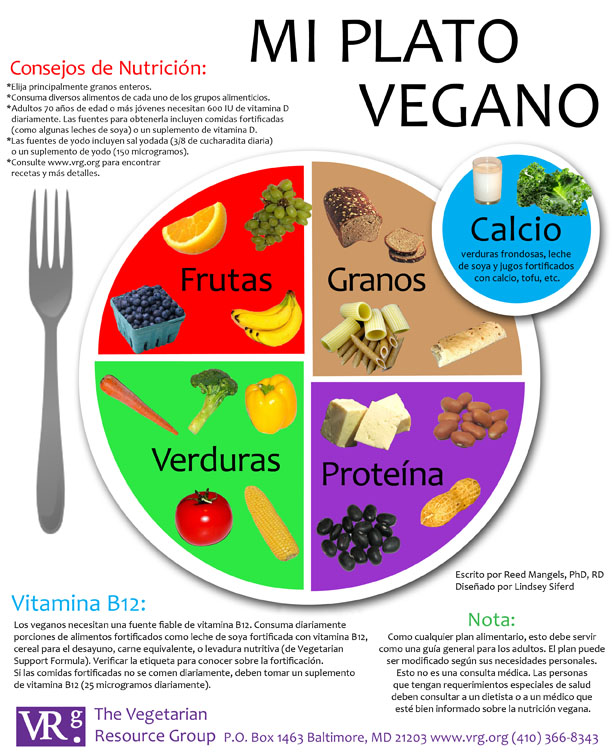
Nothing beats a simple graphic to get the vegan message out! The Vegetarian
Resource Group created My Vegan Plate to display on outreach tables at
various events. If you live in the United States, you can request copies of
this handout to distribute by emailing us at [email protected]
Summer is not too far off and
we may be thinking about creating cool foods very soon. Before we close the
kitchen for the summer months, let’s think about using dill in savory dishes.
Dill has been around the culinary scene,
since, well, there WAS a culinary scene. Dill is referred to in the Old
Testament and The Romans believed the inclusion of dill in a meal would bring
joy and pleasure. Dill oil, obtained from pressing dill seeds, was used in
medieval Europe as a medicine and antiseptic.
Fresh dill is usually available, packaged,
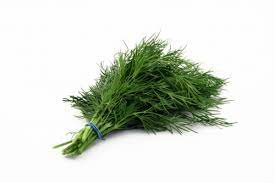
in the produce section of the grocery store or sold as willowy green bouquets
at farmers markets. Look for deep green, feathery leaves with a firm stem. The
leaves may be slightly wilted, as this tends to happen immediately upon
harvesting. Slightly wilted is okay, just avoid pale green, yellow, or
dried-out looking leaves. Dill has a faintly fennel-like aroma (think:
licorice) and should never smell moldy or earthy. Fresh dill is quite fragile,
so it definitely needs to be stored in the refrigerator. To prevent drying,
make yourself a little dill bouquet and place it in a small vase or glass
filled with cold water. For less artistic storage, cover dill with damp towels.
If, however, you go overboard and do too much dill acquiring, you can dry dill
for later use in a microwave or low oven (an oven set to about 200 degrees), by
placing it single-layered on baking sheets or microwaveable sheets. When fresh
dill is not available, dried dill will have to do. Dried dill is sold as dill
weed or dill seed. Do not keep dried dill for more than four months (stored in
a cool, dry, dark place), as its delicate flavor will dissipate. Remember for dried
herbs, we use half as much as for fresh herbs. So, for example, if a recipe
calls for one Tablespoon of fresh dill, we would use ½ Tablespoon of dried
dill.
Dill can go anywhere: in dough, batters,
soups, stews, sauces, and salads. Fresh dill adds a subtle, caraway and fennel
flavor to foods. Add dill at the end of cooking for the best flavor impact.
Think you haven’t ever tasted dill? Think dill pickles and many salad
dressings. Add dill to vegan cream cheese, sour cream, or plain yogurt for a sandwich
spread or vegetable dip. Dill perks up the flavor of beets, cucumbers, cabbage,
cream sauces, tofu, and veggie and grain stews Dill might have been the secret
ingredient in many a comforting broth and soup!
Enjoy the following recipe!
Dill and Mustard Salad Dressing
(Makes about 1 cup)
1 Tablespoon silken tofu 2 Tablespoons prepared mustard 2 teaspoons orange juice concentrate 2/3 cup oil (sunflower or vegetable oil) 2 Tablespoons white wine or champagne vinegar 3 Tablespoons chopped fresh dill 2 teaspoons white pepper
Place tofu, mustard, and
orange juice concentrate in the canister of a blender. Process until just
blended. With the blender running, drizzle in oil until the texture you would
like is attained. Add vinegar, dill and pepper, then blend on high for 30
seconds. Refrigerate for at least one hour before serving.
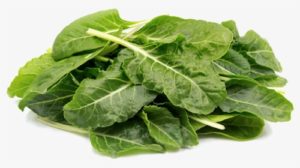
How often have you been told to eat green leafy vegetables
but lacked simple recipes featuring greens? Here are two quick-and-easy recipes
you can prepare at home.
Sautéed Collards and
Tomatoes (from Simply Vegan, by Debra Wasserman)
(Serves 4)
1 teaspoon oil
1 pound collards, rinsed and
chopped into bite-size pieces
2 ripe tomatoes, chopped
2 teaspoons lemon juice
½ teaspoon garlic powder
¼ teaspoon mustard powder
Sauté all the ingredients together over medium-high heat for 3-5 minutes
(until greens are tender). Serve hot.
Bulgur, Corn, and Greens
(from Conveniently Vegan, by Debra Wasserman)
(Serves 4)
1 cup bulgur (cracked wheat)
2 cups water
10-ounce box frozen corn kernels
½ pound greens (kale or collards),
rinsed and chopped into bite-size pieces
½ teaspoon cumin
2 Tablespoons lemon juice
Cook bulgur in water in a large covered pot for 10 minutes over medium heat.
Add remaining ingredients. Heat 10 minutes longer, stirring occasionally. Serve
warm.
Both Simply Vegan and Conveniently Vegan are published by The Vegetarian Resource Group and in the USA only can be purchased online here: www.vrg.org/catalog
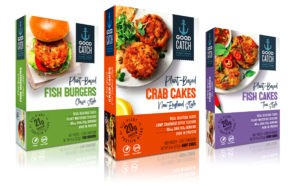
Are you
searching for vegan “fish” alternatives? If so, here’s a list of some products
you might want to try out. Many of these items are now sold in stores and
online.
The Vegetarian Resource Group maintains an online Guide to
Vegan/Vegetarian Restaurants in the USA
and Canada.
Here are some recent vegan restaurant additions. The entire guide can be found
here: http://www.vrg.org/restaurant/index.php
To support the
updating of this online restaurant guide, please donate at: www.vrg.org/donate
Here are some new
additions to VRG’s guide (Note: Due to the COVID-19 pandemic many are doing take-out
and/or delivery now):
Eatin’ Alive, 8237 N. Denver Ave.,
Portland, OR 97217
Located in the
Kenton neighborhood, Eatin’ Alive is a café serving vegan and gluten-free
breakfast and lunch. Lunch options include various grain bowls – such as the
Seoul Bowl with kimchi, gochujang jackfruit, sesame oil, and the Sauvie bowl
with chimichurri sauce – as well as salads, such as the Carver salad with fried
soy curls and vegan ranch. Breakfast includes numerous bowls, such as an Apple
Spiced Oat bowl and a Smoothie Bowl. Various juices and smoothies are also
available.
Mez, Baltimore, 1215 E. Fort Ave.
#104, Baltimore, MD 21230
Located in Locust
Point, Mez is a vegan carry-out and delivery business. The menu consists of
vegan and gluten-free “taco kits” – such as the Walnut Bean Chorizo, Crispy
Tofu, and the Sweet Potato & Refried Bean Taco Kits. Sides include Chips
and Guacamole, quesadillas, and refried beans.
Our Vegan Corner, 140 Walton St.,
Syracuse, NY 13202 and 9090 Destiny USA Dr., Syracuse, NY 13204
At either their
downtown or Destiny USA Mall location, Our Vegan Corner provides customers with
vegan soul food, Mexican food, Italian food and soft serve and Italian ices!
Vegan ribs and fried chick’n, or tacos and nachos and more can be ordered
online through their website as well.
Pamela Wasabi, 5663 NW 35th Ct.,
Miami, FL 33142
The gluten-free,
soy-free offerings of Pamela Wasabi, a bakery, are available for pickup from
their commercial kitchen, and shipping and delivery are available as well. The
menu offers cookies, cakes, and other desserts. Notable items include the
sacred coffee blondie, churro donuts, and cheesecakes in assorted flavors. The
bakery’s founder, Pamela Wasabi, incorporates her background in integrative
nutrition and eastern philosophy into her work, and the bakery’s goods are also
available at several retail locations.
Señor Sisig Vegano,
701 Valencia St., San Francisco, CA 94110
In the Mission area of San Francisco, Señor Sigsig offers
vegans a fully veganized variation of their traditional Filipino fusion menu.
Customers can have any of their usual burritos, nachos, or tacos, but with
vegan meats and dairy items like the vegan “pork” sigsig or tocino.
The Sweet Treat Hut, 1240 N. 50th
St., Philadelphia, PA 19131 and 1240 N. 50th St., Philadelphia, PA 19147
The Sweet Treat Hut
offers “sweet treats” ranging from açaí bowls, fresh smoothies, muffins,
oatmeal and more. You can also build your own wrap. Smoothie flavors include
the “Super Clean Green,” “Cappuccino,” “Banana Nut Bread,” “Pineapple Sunrise,”
and many more!
Tidy Ben’s Sloperia, 713 South Alamo
St., San Antonio, TX 78205
Tidy Ben’s Sloperia
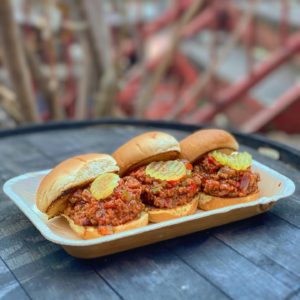
is a food truck and food stand specializing in a vegan rendition of an American
favorite – Sloppy Joe’s! Sloppy Joe options include the Sloppy Sloppy
(Classic), BBQ Sloppy, Fiesta Sloppy, and a Curry Sloppy. Sides include Classic
Tater Tots, Sloppy Tots (taters served with Sloppy Joe), and a Sloppy
Frito-Pie. Vegan Queso and Pico de Gallo are also available!
Veganista, 3303 Central Ave. NE,
Minneapolis, MN 55418
Located across the
street from Columbia Golf Club in Northeast Minneapolis, Veganista is a cheery
family-run café serving fair trade coffee and a rotating menu of comfort food.
Diners rave about the tacos, Juicy Lucy, and mac and cheese. Mornings feature meditation
and yoga, as well as coffee drinks, smoothies, baked goods, and breakfast
sandwiches. Accepts Apple Pay, Google Pay, and cash.
This interactive program will cover the basics of vegetarian nutrition, the benefits of a vegetarian diet, and practical ideas for becoming vegetarian or moving towards a more plant-based diet. Whether you’re wondering about vitamin B12, protein, or calcium or deciding if going vegetarian could be a healthy choice for you, this program is for you. Reed Mangels, PhD, RD is a Nutrition Advisor for the non-profit, educational Vegetarian Resource Group (www.vrg.org) and the nutrition editor and a regular columnist for Vegetarian Journal.
Reed Mangels, PhD, RD is a Nutrition Advisor for the non-profit, educational Vegetarian Resource Group (www.vrg.org) and the nutrition editor and a regular columnist for Vegetarian Journal. Registration is required to receive a link and password. Deadline to sign-up will be 1 hour before the program begins.
Links and passwords will be emailed at least 30 minutes before the program. The virtual room will open 3 minutes before the program begins. We do recommend everyone “arrive” at least 10 minutes before the program to ensure you are able to enter the “room.” If you do not receive an email with the program link at least 30 minutes before the program begins, please check your spam and other folders. If still unable to find it, please use the Chat to ask a team member for help. For those under 18 years of age who may be joining us, we recommend that a parent/legal guardian be with you during the meeting. Learn more about Zoom at zoom.us.
*Reminder – Those not on the Guest List will not be considered registered, and will not receive a virtual “ticket”. Registration accepted on a first come first serve basis.
To request an accommodation under the Americans with Disabilities Act for library-sponsored events, please call 408-808-2000 at least three business days prior to the event.
This interactive program will cover the basics of vegetarian nutrition, the benefits of a vegetarian diet, and practical ideas for becoming vegetarian or moving towards a more plant-based diet. Whether you’re wondering about vitamin B12, protein, or calcium or deciding if going vegetarian could be a healthy choice for you, this program is for you. Reed Mangels, PhD, RD is a Nutrition Advisor for the non-profit, educational Vegetarian Resource Group (www.vrg.org) and the nutrition editor and a regular columnist for Vegetarian Journal.
Reed Mangels, PhD, RD is a Nutrition Advisor for the non-profit, educational Vegetarian Resource Group (www.vrg.org) and the nutrition editor and a regular columnist for Vegetarian Journal. Registration is required to receive a link and password. Deadline to sign-up will be 1 hour before the program begins.
Links and passwords will be emailed at least 30 minutes before the program. The virtual room will open 3 minutes before the program begins. We do recommend everyone “arrive” at least 10 minutes before the program to ensure you are able to enter the “room.” If you do not receive an email with the program link at least 30 minutes before the program begins, please check your spam and other folders. If still unable to find it, please use the Chat to ask a team member for help. For those under 18 years of age who may be joining us, we recommend that a parent/legal guardian be with you during the meeting. Learn more about Zoom at zoom.us.
*Reminder – Those not on the Guest List will not be considered registered, and will not receive a virtual “ticket”. Registration accepted on a first come first serve basis.
To request an accommodation under the Americans with Disabilities Act for library-sponsored events, please call 408-808-2000 at least three business days prior to the event.
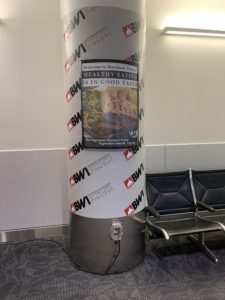
The Vegetarian Resource Group’s poster “Healthy Eating
Is In Good Taste” promoting a delicious vegan meal is on display at
Baltimore Washington International Airport (BWI) in Concourse D until about
September. If you are traveling and see it, please let us know.
In a medium-sized mixing bowl, blend together the dry ingredients. Add the
strawberries and stir until coated with the flour mixture.
Make a well in the center and add the soymilk and oil. Stir to blend well,
but do not beat.
Brush a griddle lightly with additional oil. Heat the griddle to medium heat
and ladle on the batter, using enough batter to make 4-inch pancakes. Cook over
medium heat until lightly browned on the bottom. Flip each pancake over and
cook on the other side until lightly browned as well. Remove from griddle and
repeat process with more oil and batter until all of the batter has been used.
Keep pancakes in a warm oven until all are finished.
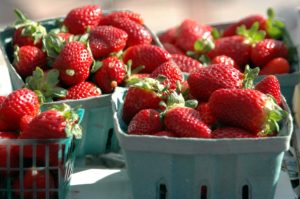
Strawberry Shortcake Smoothie by Ivy Grob (Makes approximately 2 cups)
• 3/4 cup strawberries • 1/4 cup raspberries • 1/2 cup ice • 1/2 cup vanilla-flavored almond milk or vegan yogurt
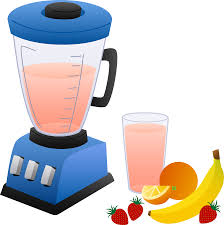
Pour all ingredients into a blender and blend until smooth or desired
consistency.
Pineapple-Strawberry Salsa by Chef Nancy Berkoff (Makes about 3 cups)
• 1/2 cup chopped sweet onions • 1/4 cup chopped fresh cilantro • 3 teaspoons seeded and chopped fresh chili or bell pepper (you choose the heat) • 1/2 cup chopped fresh tomatoes, with juice (or canned, chopped tomatoes with juice) • 1 cup finely diced pineapple, with juice (you can se fresh or canned pineapple) • 1 1/2 cups chopped fresh strawberries • 1 teaspoon black pepper or 2 Tablespoons red or balsamic vinegar (optional for additional flavor)
Combine all ingredients in a non-metal bowl and toss to combine. This
mixture is the base for your salsa. Store, covered, in the refrigerator.
This variation works well with savory or sweet dishes; try serving with
freshly cut bell peppers, daikon radish, jicama, watermelon, or honeydew melon.
If you’re a vegetarian or
vegan living in the Baltimore area, there’s little doubt you’ve heard of One
World Café. The quaint café, bakery, bar, and sit-down restaurant is located
conveniently on the corner of Canterbury Road, steps away from the Johns
Hopkins University campus. Whether you need a quiet study spot, a mid-workday
lunch stop, or a place to gather and dine with friends and family, One World
Café has become a go-to place for students and families in and outside of the
Hopkins area.
My first visit to One World Café was in
2018. My parents and I had been driving through Baltimore searching for a
restaurant we would all enjoy – they being omnivores, me being a vegetarian.
After spending a substantial amount of time driving through Baltimore, we
spotted a dimly lit One World Café. We entered through the corner door, made
our way towards the hostess area, past a shelf of colorful vegan desserts, then
past the small bar where the “regulars” mingled. The hostess took us down two
steps into a moody, purple-painted dining area and sat us at a corner booth
decorated with colorful “boho” pillows. She introduced herself, asked if we had
been to One World Café before, and passed us each a menu. She was incredibly
friendly and, in our future visits to the café, would become a waitress with
whom we would regularly find ourselves chatting. After handing us our menus,
she delved into the seasonal specials – it was winter, so the specials
encompassed a variety of soups, stews, and other sorts of “comfort foods.” Being newly vegetarian, I was still reluctant
to try anything that involved meat alternatives, so I opted for a simple cheese
and veggie quesadilla. The quesadilla came plated with chips, salsa, and guac –
it was delicious and tasted almost as if it came from an authentic Mexican
restaurant. We were delighted with our meal; we ate fast and anticipated ending
our night with a dessert from the One World Café bakery. Little did we know,
the dessert we ordered would become a family favorite and one we would order
each time we went to the café – a slice of vegan “funfetti” birthday cake. It
was our first time eating vegan cake, and we spent the next ten minutes in awe
of the perfect consistency – dense yet still moist. After that night, I was
ecstatic about returning to One World Café again to try some of the exciting
dishes and seasonal specials they had to offer.
Three years later, I now a vegan, One
World Café remains one of my favorite Baltimore restaurants. Not only is it a
go-to dinner spot for me, it has become my favorite place to grab breakfast.
Throughout a year of COVID-19, my friend and I have relied on breakfast
take-out from the café to get us through. It’s important to note that One World
Café has done a fantastic job following CDC guidelines – offering delivery and
curbside pickup, keeping customers at a distance, and sanitizing credit cards
and pens after contact. During our regular Sunday morning gatherings, my friend
and I order brunch from One World Café and have a small feast in the car. Thus
far, my favorite item on the brunch menu has been the Tofu Scrambled – plated
with a side of toast, sprouts, and an orange slice – which I usually order
alongside a medium iced coffee with almond milk. The vegan scramble is a
combination of veggies, tofu, and (likely) nutritional yeast to give it a
cheesy flavor. My friend’s go-to breakfast dish is the same tofu scrambled, but
in burrito form, filled with vegan cheese, salsa, and guac. While I regularly
opt for their savory breakfast options, the sweet breakfasts, such as vegan
waffles and pancakes – especially with chocolate chips – are also delicious.
If you haven’t been to One World Café or
you don’t live in Baltimore, whenever you find yourself in this city looking
for a healthy place to dine, with an expansive menu, and welcoming service, I
highly suggest you give One World Café a chance.
The Vegetarian Resource Group (VRG) is a non-profit organization dedicated to educating the public on veganism and the interrelated issues of health, nutrition, ecology, ethics, and world hunger. We have been helping health professionals, food services, businesses, educators, students, vegans, and vegetarians since 1982. In addition to publishing the Vegan Journal, VRG produces and sells a number of books.
Sign up for our newsletter to receive recipes, ingredient information, reviews of new products, announcements of new books, free samples of products, and other VRG materials.