At the beginning of each year, a lot of people go on a weight loss diet. If
you, a friend, or family member fall into that category, here’s a vegan weight
loss article from Vegetarian Journal including recipes and a sample
menu that might be helpful: https://www.vrg.org/journal/vj2006issue1/2006_issue1_weight.php
This article was written to provide suggestions for vegans, or people who
are interested in following a vegan diet, who want to lose weight. The weight
loss plan is designed for non-pregnant adults. If you have a medical condition
such as kidney disease, heart disease, diabetes, or high blood pressure, please
consult your health care professional to make sure these ideas will work for
you.
Recipes you’ll find in this article are:
•Spinach-Onion Dip
•Spicy Creamy Sauce
•Oven-Roasted Salsa Tofu
•Tofu and Snow Pea Stir-Fry
•Seitan L’Orange
•Tempeh Cacciatore
•Baked Pears
•Glazed Pineapple
•Pineapple Cake
•Banana-Almond Shake
•Orange-Vanilla Smoothie
•Cool Rice Cream with Fruit
Vegetarian
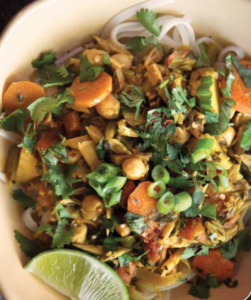
Journal Senior Editor Rissa Miller has written a creative recipe piece
highlighting dishes made from jackfruit in the most recent issue. Enjoy these
recipes: Spiced Breakfast Bars; BBQ Jackfruit and Biscuit Casserole; Sweet and
Tangy Jackfruit Meatless Balls; Curry Jackfruit Stew; French Dip Sandwiches;
Italian Herb Stuffed Peppers; and Orange Cherry Jackfruit Cake with Pudding
Layer.
During these hard times, vegan restaurant Land of Kush is giving vegan meals to various food programs in Baltimore. Each meal is $5 to $15. Once they reach a goal of $500 they can distribute a minimum of 50 meals. This supports a vegan restaurant and those in need during these hard times, as well as promotes healthy and ethical vegan diets to new audiences. You can donate at vrg.org/donate and write in the comments section For Land of Kush Vegan Food Program. We’ll then pass on all the money and sponsor a vegan community meal.
Latin American gastronomy is the result of traditional
indigenous cuisine enriched by ingredients that Spaniards, Africans,
Portuguese, French, and people from other cultures brought on their arrival to
Latin America. The diet of indigenous people used to be rich in plant foods
with moderate quantities of insects, fish, and meat. They did not use to
consume milk, cheese, or other dairy products, yet they were apparently able to
get enough calcium from their diets.
Thanks to the climate of Latin America, this region has
provided the world with an abundant variety of plant foods high in calcium. In
addition, indigenous people from the region that is now Mexico, Guatemala, El
Salvador, Honduras, and Nicaragua, enriched Latin American gastronomy by
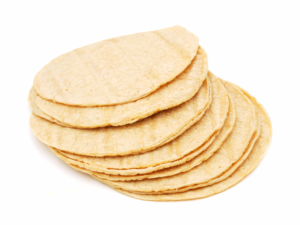
developing a cooking technique called nixtamalization, which enhances maize
(corn) flavor while improving its nutritional properties.
Some traditional Latin American dishes made with good
sources of calcium are shown in the table in this article. To see article, go
to:
Each issue of Vegetarian Journal features a column titled Nutrition Hotline. In
the latest issue guest writer Camryn Bell addresses the question: What do I
need to do to make sure I can continue to follow my vegan diet in the five days
that I will be in the hospital?
It’s the time of year to
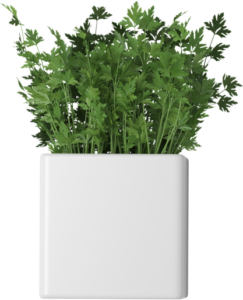
bring nature inside, to perk up the air and the indoor scenery. Parsley is an
easy way to do this. Place a few pots of these perky plants around the house to
cleanse the air and the palate. Parsley can be displayed as a spritely bouquet,
mixed with other fresh herbs (such as basil, rosemary, or sage), or with dried
flowers or grasses, or as a potted plant.
There are two main types of
parsley: flat and curly leafed. Curly parsley, when stored properly, is very
crisp. This crispiness adds texture and color when added to dishes just before
serving. Curly leafed parsley holds its shape best under refrigeration, when
wrapped in a damp towel. Flat parsley is the “flavor” parsley. Flat parsley is one of the essential
ingredients in the classic bouquet garni, or packet of herbs and spices used to
flavor broths and just about any savory dish. Combine flat parsley with
tarragon, chives, and chervil, and you have the traditional French flavoring
blend of “fines herbes,” or fine herbs,
which can be cooked with or sprinkled on steamed, grilled, or roasted
vegetables, potatoes, mushrooms, and grains.
Chopped and added at the last
possible second, parsley perks up sauces and salads. There is very little that
does not spiff up with the addition of parsley: think rice dishes, vegetables,
scrambled or grilled tofu, pasta, or seitan steaks. Parsley can serve as a
back-up to basil in pestos. Deep-fried for a split second, curly leaf parsley
makes an even curlier garnish. Think of a cuisine, such as Middle Eastern,
Eastern European, Central American, or South East Asian, and parsley is there.
Persillade and gremolada are
two well-known sauces which have parsley as one of the main ingredients.
Persillade, a French sauce, is a sautéed mixture of finely chopped parsley and
fresh garlic. Persillade is used as a finishing touch for grilled foods. Gremolada
is a Milanese condiment made of sautéed parsley, garlic, lemon, and orange zest.
This mixture can be spread over veggie burgers or roasts just a few minutes
prior to removing from the grill or oven, or used with breads (as in garlic
bread), soups, or sauces. If you are watching your sodium intake, try a parsley
blend of finely minced dried parsley, marjoram, and thyme.
Parsley is mentioned often
throughout history, and not only for its culinary and medicinal properties. The
early Greeks made crowns of parsley to bestow upon the winners of sports
competitions, in the same wat that bay wreaths honored the Roman Olympians.
Parsley is used in the Jewish celebration of Passover as a symbol of spring and
rebirth. Parsley is mentioned as one of the plants in the gardens of
Charlemagne and Catherine de Medici. Rumor has it that Medici is responsible
for popularizing parsley when she brought it back to France from its native Italy.
As far back as Hippocrates, the “first” physician,” parsley was used in
medicinal recipes as a general “good for what ails you” tonic.
Parsley is rich in vitamins
and minerals, particularly vitamins A and C, and in antioxidants. The high
chlorophyll content seems to act as a breath freshener. Researchers have
isolated a compound, apiol, which is now used in medications to treat kidney
ailments and kidney stones.
Parsley is best used fresh,
but can also be used frozen or dried. If you have an abundance of fresh
parsley, you can freeze for later use by washing, patting dry, and freezing,
leaf and stem, covered, in a single layer. Parsley may be dried by washing,
patting dry, removing stems, spreading on a baking sheet, and drying in a low
oven, around 200 degrees. Store dried parsley in an air-tight container. With
so many ways to use parsley in the kitchen, it might be nice to grow a pot or
two of each variety.
– Sharing a veggie cooking video and vegan recipes.
– A vegan friendly cartoon for Thanksgiving, as well as a vegan-friendly
commercial for Christmas.
https://www.facebook.com/groups/VRGparentsandkids/ is intended to be a group that offers support for
families raising children on vegan diets and for vegan kids. We envision it as
a place to get advice about a wide-variety of topics: pregnancy, birthday
parties, school lunches, Halloween, non-leather apparel, cruelty-free products,
summer camps, and more. Please use it as a place to share your wisdom, seek
advice, or just find a sympathetic ear. The goal is to offer support.
Consequently, any profane, defamatory, offensive,
or violent language will be removed. Feel free to disagree, but do so
respectfully. Hateful or discriminatory comments regarding race, ethnicity,
religion, gender, disability, sexual orientation, or political beliefs will not
be tolerated. We expect that posts should relate to vegan diets and lifestyles.
The Vegetarian Resource Group reserves the right to monitor all content and ban
any user who posts in violation of the above rules, any law or regulation,
SPAM, or anything otherwise off topic.
Please share this information
with any veggie families that you know! Thanks.
Posted on
December 31, 2020 by
The VRG Blog Editor
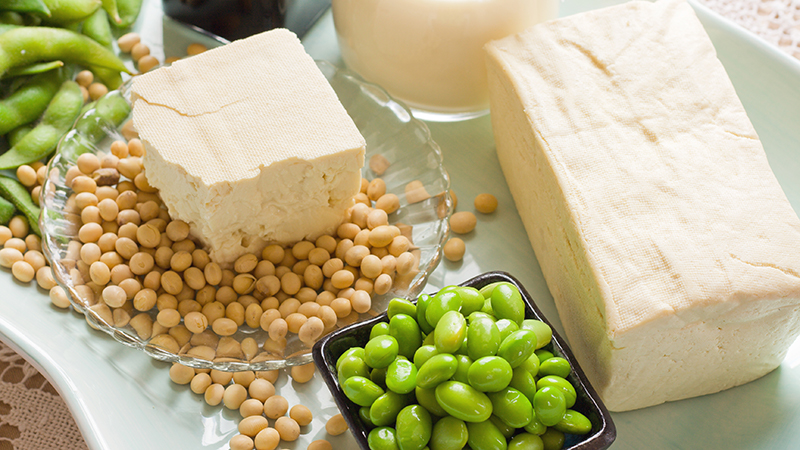
Soy foods photo from PCRM
By Reed Mangels, PhD, RD
When I was teaching undergraduate nutrition, I asked
students to plan a one-day menu for a 5-year old vegan. Note, that these were
non-vegetarian dietetics students. Here’s what one of them submitted:
Breakfast
English muffin sandwich with scrambled tofu and veg sausage,
soymilk
Lunch
Soy yogurt with granola, soymilk, apple, baby carrots with
soy butter
Dinner
Stir-fry with edamame, tofu, and broccoli; brown rice;
soymilk; soy-based frozen dessert
Snack
Smoothie with soymilk and strawberries
My comment? This menu seems over-focused on soy. Because of
the student’s apparent misunderstanding that vegans need a lot of soy to get
adequate protein, the menu lacks variety. If we were to replace every serving
of soy with a hamburger, or with a banana, or with a glass of cow’s milk, it
would still be a menu that lacks variety. There’s just too much of one
kind of food. I suggested some changes – replace the yogurt at lunch with
a hummus dip or a bean burrito; try hash-browns or fruit with breakfast instead
of “sausage”; add more vegetables to the stir-fry in place of some of the tofu
and/or edamame; have a fruit-based dessert likes a wedge of watermelon or apple
cake instead of a soy-based dessert; make the smoothie with another fortified
plant milk. All of these changes will add variety. It’s not that there is something
inherently wrong with soy – it’s just too much of a good thing in a menu like
this.
Some parents and caregivers wonder if children should eat
soy at all and have questions about soy safety. The short answer – research
supports the idea that soy is safe for children and that it may offer short-term
and long-term health benefits. In addition, soy foods can add variety if used
in moderation. Of course, children with a soy allergy should avoid products
containing soy.
Soy foods are an excellent source of protein and essential
amino acids; they are also low in saturated fat, free of cholesterol, and high
in unsaturated fat. Soymilk is often fortified with calcium, vitamin D, and
vitamin B12; some brands of tofu are good sources of calcium and may be
fortified with vitamin B12; tofu-based veggie “meats” may be fortified with
iron, zinc, and vitamin B12.
Women who ate moderate amounts of soy foods in childhood and
adolescence, appear to have as much as a 60% lower risk of breast cancer later
in life.1-4 This is especially the case when soy foods were eaten in
childhood.
Another advantage of soy is its versatility. For children
who want to fit in, veggie “bologna” sandwiches and tofu “hot dogs” can make
their lunchbox look like that of their classmates’. Concerns about the safety
of soy for children appear to be unfounded. There is really no scientific
support for claims like soy having a feminizing effect or producing adverse
hormonal effects in children in amounts typically eaten.5-8 Based on
intakes of traditional societies, a couple of servings of soy appears to be
safe during childhood.
References
1. Korde LA, Wu
AH, Fears T, et al. Childhood soy intake and breast cancer risk in Asian
American women. Cancer Epidemiol
Biomarkers Prev. 2009;18(4):1050–1059.
2. Shu XO, Jin F, Dai Q, et al. Soyfood intake during
adolescence and subsequent risk of breast cancer among Chinese women. Cancer Epidemiol Biomarkers Prev. 2001
May;10(5):483-488.
3. Wu AH, Yu MC, Tseng CC, et al. Dietary patterns and
breast cancer risk in Asian American women. Am
J Clin Nutr. 2009 Apr;89(4):1145-1154.
4. Lee SA, Shu XO, Li H, et al. Adolescent and adult soy
food intake and breast cancer risk: results from the Shanghai Women’s Health
Study. Am J Clin Nutr. 2009
Jun;89(6):1920-1926.
5. Messina M, Rogero MM, Fisberg M, Waitzberg D. Health
impact of childhood and adolescent soy consumption. Nutr Rev.
2017;75(7):500-515.
6. Wada K, Nakamura K, Masue T, et al. Soy intake and
urinary sex hormone levels in preschool Japanese children. Am J Epidemiol. 2011 May 1;173(9):998-1003.
7. Maskarinec G, Morimoto Y, Novotny R, Nordt FJ, Stanczyk
FZ, Franke AA. Urinary sex steroid excretion levels during a soy intervention
among young girls: a pilot study. Nutr Cancer. 2005;52(1):22-28.
8. Zung A, Shachar S, Zadik Z, Kerem Z. Soy-derived isoflavones treatment in children with hypercholesterolemia: a pilot study. J Pediatr Endocrinol Metab. 2010;23(1-2):133-141.
Reed Mangels, PhD, RD is a Nutrition Advisor for The Vegetarian Resource Group.
Posted on
December 31, 2020 by
The VRG Blog Editor
By Chef Nancy Berkoff, RD, EdD
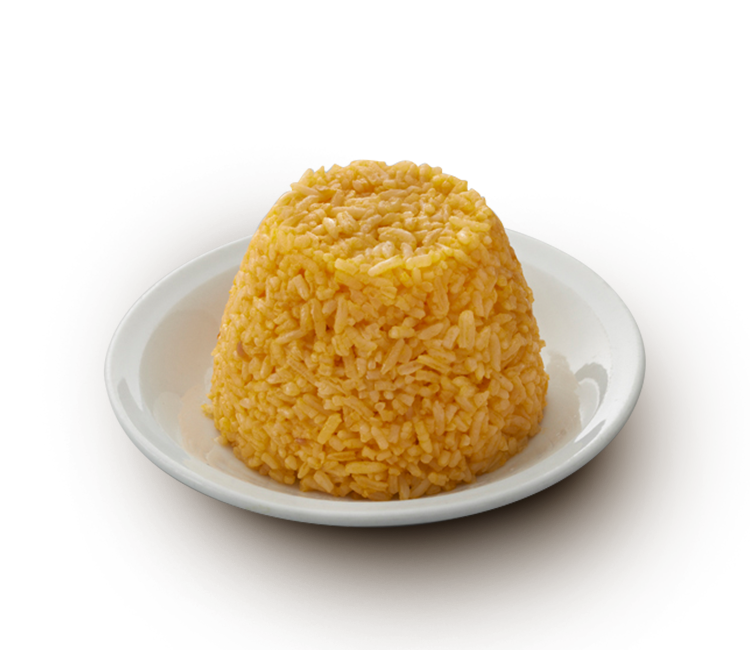
To mold or shape rice for an elegant
or fun presentation, select short-grained rice. Pack cooked rice into an oiled
mold, oven-proof cookie cutters, muffin tins, or individual baking cups. Place
the mold in an oven-safe dish with 2 inches of water, open-side up. Bake in a
hot oven for 20 minutes or until set. Allow to cool and unmold.
If you’d like to create rice balls, to use as hot entrée or cold snack,
cook a batch of short-grained, sticky/glutinous, or sushi rice, and allow to
cool. Select one of the blends listed here, and mix with rice. Roll and pat
larger balls for an entrée, smaller balls for a snack. To heat rice balls, wrap
in plastic wrap and microwave for several minutes on medium heat, or place in a
steamer and heat for a few minutes.
Savory:
Green bell pepper, chopped tomatoes,
chopped parsley, and chopped walnuts
Chopped parsley, breadcrumbs, and lemon
juice
Chopped green bell peppers, onions,
celery, pimentos, mushrooms, cayenne, and paprika
Cooked wild rice, minced garlic,
sautéed onions and mushrooms, and dry sherry
Red bell peppers, soyrizo, paprika,
oregano, and shallots
Scallions, water chestnuts or jicama,
cilantro, and soy sauce
Chopped fresh parsley, minced garlic,
curry powder, and olive oil
Forest blend mushrooms and sherry
Sweet:
Pineapple and organic brown sugar or
date sugar
Roasted chestnuts or chestnut purée, cinnamon, and ginger
Minced dried apricots, raisins, and almonds
Shredded coconut, organic brown sugar,
nutmeg, and cloves
Posted on
December 30, 2020 by
The VRG Blog Editor
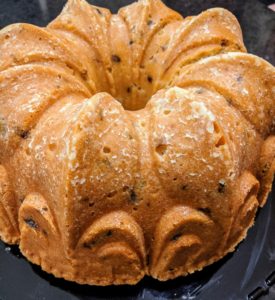
Photo by Rissa Miller
By Rissa Miller, Vegetarian Journal Senior Editor
1/4 cup Ener-G Egg replacer powder
1/2 cup warm water
1/2 cup dried cranberries, minced
Zest and juice of one orange
3 cups all-purpose flour
2 teaspoons baking powder
1 teaspoon ground cinnamon
1/2 teaspoon ground ginger
Pinch ground clove
Pinch salt (optional)
1 cup chilled vegan margarine (we used Country Crock Plant
Butter)
2 cups organic sugar
1 cup vegan eggnog or plain vegan creamer
1 teaspoon vanilla extract
1/2 teaspoon orange extract
Preheat oven to 325 degrees. In a large mixing bowl, whisk
together Egg Replacer powder and warm water until it’s frothy and there are no
lumps. Set aside to allow time to combine.
In a small bowl,
soak chopped cranberries with orange juice and zest. Set aside.
In a medium bowl,
whisk or sift together flour, baking powder, cinnamon, ginger, clove, and salt.
Set aside.
In the bowl with
the frothy Egg Replacer, add margarine, sugar, eggnog,and extracts. Using an
electric mixer, beat wet ingredients until smooth and evenly blended, about 2
minutes (wooden spoon works too, but requires more time.)
Pour dry
ingredients into wet and beat again until just combined. Do not overwork or the
cake will be tough. Well mixed, fold in the cranberries and orange zest/juice.
Set aside while preparing the pan.
Using additional
vegan margarine and flour, coat the inside of a bundt pan first with margarine,
then with flour. Shake out excess flour. Pour cake batter into the prepared pan
and place in the oven. Bake at 325 degrees for 1 hour, rotating half way
through baking. Test with a toothpick for doneness in the middle and add more
time if needed in 2-5 minute increments.
Allow to cool for 15 minutes before inverting onto a cake
plate and serving.
The Vegetarian Resource Group (VRG) is a non-profit organization dedicated to educating the public on veganism and the interrelated issues of health, nutrition, ecology, ethics, and world hunger. We have been helping health professionals, food services, businesses, educators, students, vegans, and vegetarians since 1982. In addition to publishing the Vegan Journal, VRG produces and sells a number of books.
Sign up for our newsletter to receive recipes, ingredient information, reviews of new products, announcements of new books, free samples of products, and other VRG materials.