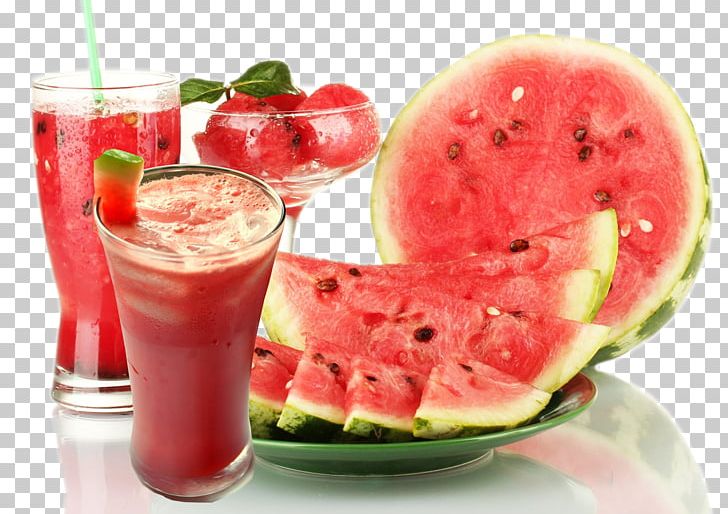
A previous article written by Christine Day in Vegetarian Journal is titled “Our Coolers Are the Coolest! For those of you who are enjoying warm days right now, you’ll be happy to find recipes for Minty Watermelon Cooler, Pineapple Tangerine Margarita, Pina Colada Licuado, Ginger Lemonade, Vampiro, Jamaica Fresca, and Horchata. See: https://www.vrg.org/recipes/vjcoolrs.htm
My arms were full when I made my way up to the
Our Daily Bread building. Our Daily Bread provides hot meals to those in need
and also acts as an employment center, run through the Catholic Charities. I
had to first drop off two vegan casseroles that fellow intern Emily and I had
made the previous weekend before I could make my way to my cooking class. With
my bag of ingredients, I made my way through the building and met with VRG
Volunteer Marcy Schveibinz who runs the Healthy Cooking Class at Christopher Place
in Baltimore. Christopher Place, a part of Our Daily Bread, is a residential
employment center that provides education and training to formerly homeless
men. To learn more about Christopher Place, visit: https://www.catholiccharities-md.org/services/christopher-place-employment-academy/
I was so excited to work with a new group of
people and share food and conversation while also teaching! I had spent time in
the weeks preceding the class preparing a lesson plan and picking a recipe to
cook. I decided that I wanted to make Eggless French Toast from VRG’s own Meatless Meals for Working People by
Debra Wasserman and Charles Stahler. Something about French toast sounded
perfect as an example of how a few easy switches can make your favorite meals
vegan. Plus, who doesn’t love French toast? Marcy suggested adding berries for
some summer-y flare and color. With my recipe in mind, I created the lesson
plan based on a few main themes that I wanted to address: vegan comfort food,
easy vegan ingredient replacements, and how food can be used to bring people
together.
The class consisted of six men who were excited
to meet me and get started with the class. When I said that we were cooking French
toast today, many of the men’s faces lit up and they started asking questions
about what I was going to put in it and telling me their own recipes. After
some quick introductions, Marcy and I started peeling the bananas and mashing
them up in a bowl. To that, we added soy milk, maple syrup, and cinnamon. As I
described what I was doing, I also asked the men about their daily diets, their
favorite foods, and their experiences in the program. I learned that many of
the men eat a lot of chicken, but they said they were interested in adding more
fruit to their diets. Marcy and I then talked to the men about the health
benefits of fruits.
Even though we had a little trouble getting the French
toast to cook right on the pan, the men were very understanding and supportive.
The pan was not nonstick, and so the French toast stuck to the bottom of the
pan before it was cooked. After a few tries, we were able to get the
temperature right and fry up some delicious French toast. When we were
finished, the men were eager to try what we had made. As the men ate their French
toast and berries, they went around the room and shared something they learned
today. Many of the men shared how surprised they were that you could use
bananas instead of eggs in French toast and other baked goods. One man even
said he would make the recipe again!
Below, you can find the complete recipe for the
Eggless French Toast and my lesson plan.
Vegan Whole Wheat French Toast with Berries
Ingredients for 3-4 servings:
3 Ripe Bananas
1 cup unflavored soymilk
2 Tbsp maple syrup
¼ teaspoon cinnamon
7 slices whole wheat bread
2 teaspoons oil
Berries to top
Recipe:
Mash bananas in a bowl.
Add soymilk, maple syrup, and cinnamon.
Stir well.
Soak bread in mixture.
Fry in a lightly oiled (non-stick!) frying pan
on both sides over medium heat until lightly browned.
Discuss the differences between traditional French toast and this vegan recipe
Cook
Fry the French toast
Discuss the culture of food: how cooking can bring people together, can be used to show love/compassion for people in times of need (if there’s a loss in the family, etc.)
Ask the men what comfort foods they enjoy, explain how to veganize the recipes
Decorate with Berries
Health benefits of berries
High in antioxidants
High in fiber which makes you feel full longer
Provide vitamins and minerals like Vitamin C
Discuss healthy comfort foods
Vegan food can be healthy and affordable while still being comforting and delicious
There are easy ways to recreate your favorite childhood dishes with vegan ingredients
Mac and cheese made with nutritional yeast, mashed potatoes made with soymilk, and veggie burgers made of black beans
Vegan baking is easy – eggs can often be replaced by applesauce or smashed bananas, milk can be replaced by soy or almond alternatives, and butter can be replaced by vegetable oils, shortening, or vegan butter.
Simple tricks to make any comfort foods a little healthier:
Use whole grains whenever possible
Reduce salt in favor of other seasonings like: lemon juice, oregano, garlic, and onions
Easy ways to add variety into a vegan diet – try different veggies and fruit, research new recipes, be creative (just experiment with different flavors to see what you like)
Helpful Tips and Tricks:
Contact a local organization to set up a cooking demo. Some ideas are: Re-Entry Programs, Halfway Houses, Domestic Violence Centers, Addiction Centers/Rehabilitation Facilities, Summer Camps, Cooking Classes for Children or Adults, Culinary Groups, and many more. Try looking for programs being run by your local Parks and Recreation Department or by charities in your area. Offer to teach the class or group how to prepare a healthy vegan dish and answer any questions they have about veganism. You can also reach out to other vegans in the area to see if they have any connections to organizations already.
Know your audience. Base what dish you’re making and what you’re talking about on the experiences and knowledge base of your audience. For example, if you’re working with a group of young kids at a summer camp, they may not know words like sauté or broil, so you might need to explain what they mean while you’re doing them. If you’re doing a vegan cooking demonstration at a culinary school, however, you might choose to prepare a more complex dish with more steps and ingredients.
Be prepared to think on the spot and make changes to your plans. With the hot plate that we were using, we could only use one specific pan that corresponded to the plate. Because of this, we were unable to switch pans when the first one was burning our French toast. We had to think on the spot, clean out the pan, and try on a lower heat. When doing any sort of cooking demo, you have to be prepared to make last-minute changes and think on your feet!
Be as open as you feel comfortable with. Many of the men in my group seemed more receptive to what I was saying when I shared more information about myself. The men really wanted to get to know me and get to know my personal reasons for why I chose veganism. If you’re comfortable sharing that information with your group, it might lead to a more open and honest discourse that would be more meaningful for your group in the long-run.
Smells of Zeke’s coffee and freshly baked bread waft through the aisles of the 32nd Street Farmers Market, which is open every Saturday 7AM – noon in Baltimore City! Bright colored vegetables and fruits make the perfect background to present resources for a vegan diet, which is exactly what two VRG interns, Amy Dell and myself, did this past weekend at the market.
Booths of all kinds framed walkways for locals to browse farm fresh produce, aromatic breads, pies (yes, even vegan ones!), and many other local goodies. Situated in between a composting service booth and a farm stand, was a green tent sporting The Vegetarian Resource Group signs visible from any direction. We stood inside the tent alongside books, pamphlets, journals, and other informational materials. When children would pass by, we offered them VRG’s I Love Animals and Broccoli coloring books, which always brought happiness, both to the kids and Amy! The adults who walked by had quizzical looks, which usually turned into smiles when we would offer free recipes. Many people accepted the Vegetarian Journal recipes and went on their way, but some also stopped to engage and learn more. We met doctors and professors who advocated for veganism and were looking for additional resources to share with their institution. People were excited to see us and learn additional information.
Many who stopped to engage were already vegetarian or vegan, or had experimented with the lifestyle at some point in their past. Numerous people who came to the booth were vegan for health reasons, and a fraction of them were prescribed the diet by their doctors. This was refreshing to me, because the emphasis on a plant-based diet is not always the case (especially when you are from the rural South, like me).
The most surprising and uplifting part of the whole experience was that no one was against what we were doing. My favorite part about being vegan in Baltimore is that a lot of people are educated about the subject to some degree, and they agree it is a good choice to make. Many of the people we met were still battling with their love for meats and cheeses; however, I think the resources we gave will provide a stepping stone for people to eventually give up those products, be it for their health, the environment, or animals!
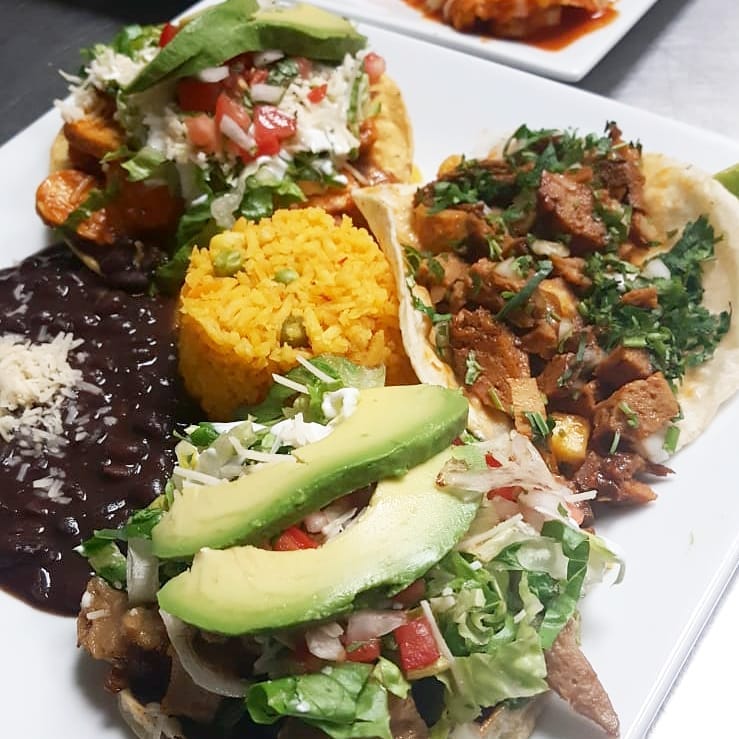
Dine on nachos, elote, guacamole, tofu rancheros, plantain pancakes,
churros and more for their weekend brunch. Also enjoy these dishes for dinner:
hearts of palm ceviche, empanadas, a wide variety of tacos, fajita bowl, spicy
cauliflower enchiladas, and more.
Order their beet & pumpkin empanada, Mexican street corn, spicy
melon gazpacho, papusas, chorizo burritos, tacos, and bowls. For brunch, try
kale pancakes and “sausage egg” & cheese
torta.
Start with sopa de frijoles, ensalada de nopales y mango, and
quesadillas. Move on to a wide variety of tacos, fajitas, tostadas, burritos,
enchiladas, and so much more. Leave room for desserts including chimichanga
dulce, churros, and flan de dulce de leche.
Tacos, tostadas, and churros are just some of the raved-over options.
Other items include jicama and citrus salad, potato and mushroom flautas,
avocado tostada, Tijuana-style broccolini, grilled sweet potato, and more. They
have mango cake for dessert.
Sugar Taco has a pick-it-yourself approach. Get some tacos or nachos, a
burrito or a quesadilla. Pick one of their house-made proteins, including vegan
carne asada, pollo, al pastor, and more. Add some guacamole, pico de gallo, or
queso. If you’re looking for something extra hot, try the ghost taco, just buy
some vegan horchata to wash it down with.
The menu features a variety of meatless tacos, including the Siracha
BBQ Jackfruit Taco, Sweet Potato Taco, Chorizo Seitan Taco, Chimichurri Tempeh
Taco, and Crispy Fried Tofu Taco. They offer a kid’s menu as well.
This restaurant offers more than Mexican cuisine; however, their
Mexican options include cheesesteak chimichangas, guacamole, fajita salad, taco
salad, fried “fish” tacos, and more. For brunch try breakfast tacos and
“huevos” rancheros (made with tofu).
Create and submit a video relating what you want to tell others
about vegetarianism/veganism.
Some possible topics: food, nutrition, your feelings about
veganism/vegetarianism, water usage and vegetarianism, veganism and animal
rights, or other vegan topics which appeal to you. Humor and feelings are
appreciated. All videos should be positive, not be critical of anyone, and not
include any footage of animal cruelty. You may submit a video you have already
made.
Aspects of judging include accuracy and judges wanting to
share the video with others. Entrants give permission to The Vegetarian
Resource Group to post and share the video, to link to and from the video, and
share the video with the media. Deadline to enter this year is July 15, 2018.
Our Daily Bread, a meal program hosted by
Catholic Charities, serves more than a quarter of a million meals to people
experiencing hunger across Baltimore, Maryland. They serve hot lunch 365 days a
year to anywhere between 500 and 1000+ people. Additionally, they offer
breakfast to seniors and people with disabilities and dinner to men enrolled in
the Christopher Place Employment Academy. The organization relies on volunteers
to make and serve food every day, with a greater need for volunteers to serve
breakfast from 7 a.m. to 8:30 a.m. and dinner for Christopher Place from 5 p.m.
to 6:30 p.m.
There is opportunity for people who want to get
involved in a more indirect and possibly less time-consuming way by cooking and
donating meals. Our Daily Bread has a casserole program that is the backbone of
the entire initiative. Anyone can make and donate a casserole! Casserole
recipes can be found on the Our Daily Bread’s website: https://www.catholiccharities-md.org/services/our-daily-bread-hot-meal-program/#790c890569b87ce66
On the list of recipes one can make, 3 are
vegan, and were created by the VRG’s food service advisor Chef Nancy Berkoff,
RD! They are all fairly quick to make, depending on how many casseroles you
wish to donate.
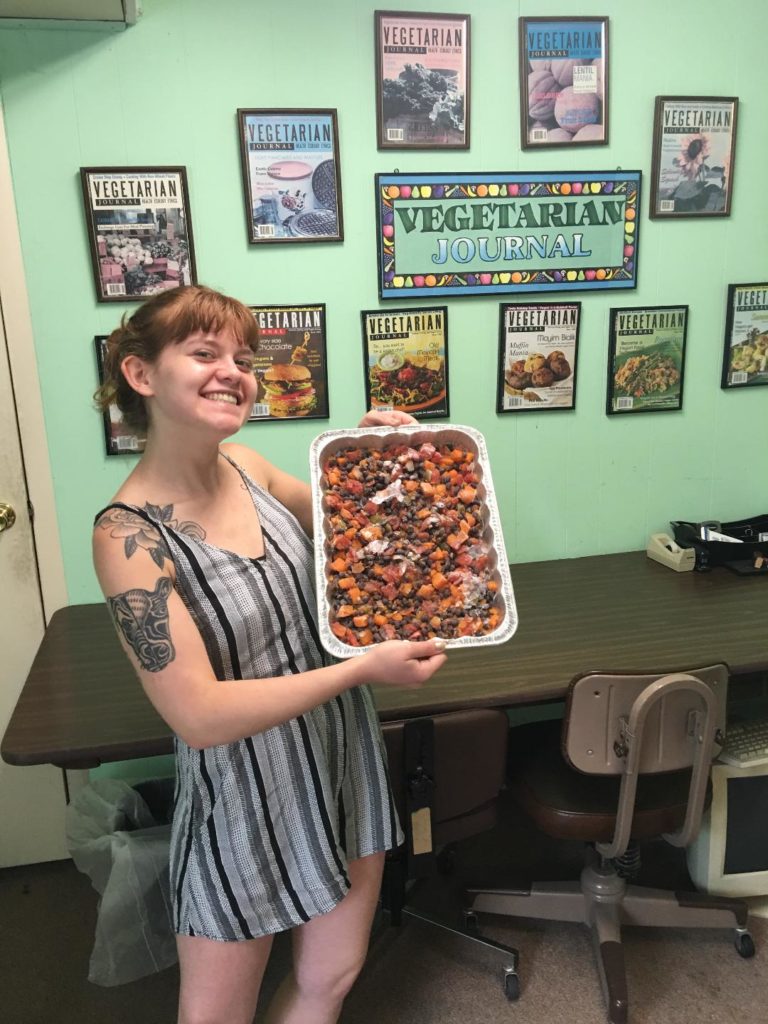
Last weekend, VRG intern Amy Dell and myself
made two sweet potato and black bean casseroles using a recipe on the Our Daily
Bread website. It was very simple and only took us about an hour and a half to
chop all the peppers, onions, and garlic and get the sweet potatoes fork-tender.
(The time would have been shorter had we had a bigger pot to combine both
batches). The meal smelled delicious, and inspired me to make something similar
for myself!
Homelessness and hunger linger everywhere as a
silent enemy. Philanthropy may not be the best way towards food equality, but
it is one of the tools we have as individuals to help create a world that
aligns a little more with our philosophies. So if you are feeling inspired or
have no evening/weekend plans, get some ingredients and casserole dishes and
cook up a storm! Even if you are not in Baltimore you can still participate by
donating to your local feeding site.
If you are in the USA or Canada, the next time you throw a party, attend an office event, or simply crave something sweet, consider buying vegan baked goods from one of the companies listed here: https://www.vrg.org/links/BakeriesAndBakedGoodsVegan.htm
Create and submit a video relating what you want to tell others
about vegetarianism/veganism.
Some possible topics: food, nutrition, your feelings about
veganism/vegetarianism, water usage and vegetarianism, veganism and animal
rights, or other vegan topics which appeal to you. Humor and feelings are
appreciated. All videos should be positive, not be critical of anyone, and not
include any footage of animal cruelty. You may submit a video you have already
made.
Aspects of judging include accuracy and judges wanting to
share the video with others. Entrants give permission to The Vegetarian
Resource Group to post and share the video, to link to and from the video, and
share the video with the media. Deadline to enter this year is July 15, 2018.
The Vegetarian Resource Group (VRG) is a non-profit organization dedicated to educating the public on veganism and the interrelated issues of health, nutrition, ecology, ethics, and world hunger. We have been helping health professionals, food services, businesses, educators, students, vegans, and vegetarians since 1982. In addition to publishing the Vegan Journal, VRG produces and sells a number of books.
Sign up for our newsletter to receive recipes, ingredient information, reviews of new products, announcements of new books, free samples of products, and other VRG materials.