The most recent Vegetarian Journal takes a look at recent scientific literature on veggie diets. One topic covered is taking Vitamin B12 daily or weekly. Here’s our write-up on this study:
Vitamin B12 recommendations from
many vegan groups, including The Vegetarian Resource Group, are based on
calculating how much vitamin B12 is likely to be absorbed from supplements
containing different amounts of vitamin B12. For example, in 2015 we said,
“About 5% of the vitamin B12 in a supplement containing 25 mcg of vitamin
B12 is absorbed. A lesser amount, 1% or less of the vitamin B12 in a supplement
containing more than 100 micrograms of vitamin B12, is absorbed.”1
A recent study examines whether these theoretical absorption rates actually
apply in vegans and non-vegan vegetarians.
In this study,2 36
vegetarian (including vegan) adults who were marginally deficient in vitamin
B12 based on their blood vitamin B12 levels, were randomly divided into two
groups. During the 12 week study period, one group took 50 micrograms of
vitamin B12 daily and the other group took 2,000 micrograms of vitamin B12 once
a week. Blood vitamin B12 was rechecked throughout the 12 weeks. Both groups’
blood vitamin B12 levels improved as did other indicators of vitamin B12 status
so that, at the end of the study, they were no longer considered to be
deficient. These results support recommendations to take vitamin B12
supplements either daily if you are using a lower dose (25-100 micrograms) or
weekly for a higher dose of 2000 micrograms. One advantage of using a lower
dose daily could be that you’re less likely to forget to take your supplement
if it is part of your daily routine. On the other hand, taking a larger dose
one day each week, perhaps first thing Monday morning, may be easier for some
people to remember to do. In any case, it’s important to have a regular source
of vitamin B12, whether fortified food or supplement.
2 Del Bo C, Riso P, Gardana C, et
al. 2018. Effect of two different sublingual dosages of vitamin B12 on
cobalamin nutritional status in vegans and vegetarians with a marginal
deficiency: A randomized controlled trial. Clin Nutr.
pii: S0261-5614(18)30071-2. [Epub ahead of print].
The most recent Vegetarian Journal features an article by Laura McGuiness titled “Essential Summer Seitan.” You’ll find recipes for Buffalo Fried Chick-Un, Seitan BBQ Strips, Shredded Chick-Un Enchiladas, Honee-Glazed Roast, and Maple Breakfast Sausage.
– How do you help your
child (if necessary) when they are teething? One suggestion we have is to slice
a bagel in half, freeze it, and give it to older children when teething.
– Do any of you send your kids to summer camp? If so, how do
you manage the camp food and vegan options? Parents responses included: Do you know about YEA Camp – Youth Empowered Action Camp? All Vegan
– for teens. It changed my daughter’s life! The Camp Kindness program at
Catskill Animal Sanctuary is 100% vegan!
– A vegan diet can still be high in sugar. Any thoughts
about this?
Plus more!
https://www.facebook.com/groups/VRGparentsandkids/ is intended to be a group that offers support for
families raising children on vegan diets and for vegan kids. We envision it as
a place to get advice about a wide-variety of topics: pregnancy, birthday
parties, school lunches, Halloween, non-leather apparel, cruelty-free products,
summer camps, and more. Please use it as a place to share your wisdom, seek
advice, or just find a sympathetic ear. The goal is to offer support.
Consequently, any profane, defamatory, offensive,
or violent language will be removed. Feel free to disagree, but do so
respectfully. Hateful or discriminatory comments regarding race, ethnicity,
religion, gender, disability, sexual orientation, or political beliefs will not
be tolerated. We expect that posts should relate to vegan diets and lifestyles.
The Vegetarian Resource Group reserves the right to monitor all content and ban
any user who posts in violation of the above rules, any law or regulation,
SPAM, or anything otherwise off topic.
Please share this information
with any veggie families that you know! Thanks.
Vegetarian Journal features a column called Nutrition Hotline, where we answer readers’ questions related to vegan diets. The latest issue offers dietary advice related to sports-related concussions.
Vegetarian Resource Group Nutrition Advisor Reed Mangels,
PhD, RD, starts off by stating that “General recommendations to eat well and to
drink fluids for hydration apply when recovering from a concussion. Limiting or
avoiding caffeinated drinks like soft drinks, coffee, and tea can make it easier
to get needed rest.” Reed then goes on to say, “Other suggestions are based on
limited research and are only speculative. Creatine (also known as creatine
monohydrate) is an amino acid made by our body and found in meat and fish. The
International Olympic Committee’s (IOC) consensus statement about supplement use
mentions that creatine supplements are associated with decreased damage and
improved recovery post-concussion … Vegan creatine supplements are available
from Vegan Essentials and other online retailers.”
The Vegetarian Resource Group is an activist non-profit
organization that does outreach all-year-long. For example, VRG tables at
different events throughout the USA and also sends literature free of charge to
other groups/individuals doing educational activities in schools, hospitals,
camps, restaurants, libraries, offices, etc. Our ability to continue doing this
depends on people like you! Your donations allow us to promote the vegan
message whenever we’re called upon for assistance. Please consider becoming a
monthly or quarterly donor to The Vegetarian Resource Group.
Thanks so much for your support. You can become a monthly or
quarterly donor online here: vrg.org/donate
The latest issue of Vegetarian Journal features a column called Scientific Update, where we look at recent scientific studies related to veggie diets. One large study called into question the benefits of fish oil supplements. Close to 26,000 older adults were studied. They took either 840 milligrams per day of omega-3 fatty acids from fish oil (460 milligrams of EPA and 380 milligrams of DHA) or a placebo that did not supply omega-3s. They didn’t know which type of capsule they were taking. Study subjects took the capsules and their health was monitored over an average of five years. There was no significant difference between the groups in their risk of having a stroke, heart attack, breast cancer, prostate cancer, or colorectal cancer, or of dying from heart disease. This study suggests that omega-3 supplements had little or no effect on risk of cardiovascular events or cancer. The researchers noted, however, that taking omega-3s was associated with some reduction in risk of strokes and heart attacks in those who ate little or no fish. This merits further study and suggests that older adults who don’t eat fish might benefit from an omega-3 supplement. Of course, there’s no need to take fish oil — microalgae supplements supply omega-3s in a vegan-friendly form.
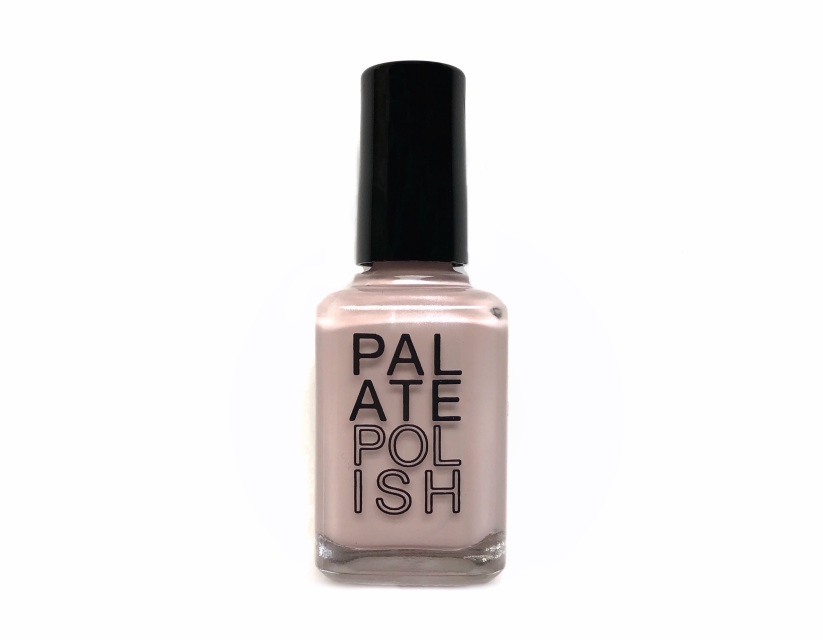
The latest issue of Vegetarian Journal features an article on companies producing vegan beauty products including cosmetics, nail polish, shampoo, skin and body care items, plus more.
Leigh Harris said, “Growing up, I always had a passion for animals. In fact, at the age of four, I declared that I wanted to be a cheetah when I grew up. When I realized that this was not a viable option, I decided that I wanted to somehow be able to involve my passion for animals into my life. … At the age of thirteen, I was finally able to transition to vegetarianism.”
“I became involved in volunteering at the Volunteers of America Youth Resource Center. Jeremy Beckham, who just happens to be the first recipient of The Vegetarian Resource Group Scholarship, and his partner, began the monthly dinners for homeless youth in 2015. My family and I were a part of the first volunteer group to sign up. When Amy and Jeremy have been unavailable to lead the volunteer group, we are one of the first families they call to fill in for them. We plan the meals, shop for the groceries, and organize the volunteers. It has become an event that we look forward to every month.”
“Some examples of the dishes we have made are curries, sloppy Joes, lasagna, chili and cornbread. Some of the most popular dishes have been jumbo pasta shells stuffed with spinach and a homemade cashew ricotta cheese, a cheesy broccoli soup, and a chana masala with roti. We prepare enough food to feed fifty youth. The majority of them come back for seconds. There is a girl who resides at the shelter who is vegan and is always so happy to see my group when we’re making dinner. “We have a $100 dollar budget for every dinner … which shows that you can eat a healthful diet with variety on a budget.”
One reference said, “As a proud and grateful recipient of the 2003 Vegetarian Resource Group Scholarship and an active member in the animal protection movement, it is my distinct pleasure to recommend Leigh Harris … Utah Animal Rights Coalition is the organizer of the annual SLC Veg Fest, the largest vegan festival in Utah, with approximately 5,000 attendees each year. Last year, Leigh was one of three young people on a panel discussing issues affecting vegan youth. Leigh shared her experiences as a vegan in middle school and high school, and provided meaningful advice for those in attendance about how to navigate tricky family and social situations as a young vegan. I was thoroughly impressed with Leigh’s natural confidence as a public speaker, her storytelling ability, and her mastery of the facts related to veganism and nutrition … Speaking from personal experience, a scholarship from VRG not only provides tangible resources for the recipient, it also carries with it a humbling endorsement of one’s character, past accomplishments, and future potential .. I truly believe … that (Leigh) will be a steadfast and effective advocate for animal rights.”
The deadline for the next Vegetarian Resource Group scholarship is February 20, 2020. Applicants should be graduating high school in spring of 2020. For details about past winners and applications, see: https://www.vrg.org/student/scholar.htm
To support additional scholarships and internships, donate at www.vrg.org/donate Call (410) 366-8343, or mail a check to The Vegetarian Resource Group, P.O. Box 1463, Baltimore, MD 21203.
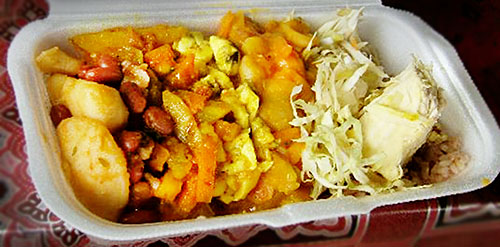
The latest issue of Vegetarian Journal features an article on vegan dining in Jamaica. For example, in Negril you can dine at Ras Rody, a simple roadside stand that serves heaping piles of traditional Ital food. You can either eat your stewed peas with veggie chunks (a staple and favorite dish) on a humble stool roadside, or carry your to-go container of whole-wheat dumplings, pumpkin, and curried tofu to a nice spot by the ocean. See: http://www.rasrody.com/2015%20Site/jamaica.place.html
The Vegetarian Resource Group (VRG) is a non-profit organization dedicated to educating the public on veganism and the interrelated issues of health, nutrition, ecology, ethics, and world hunger. We have been helping health professionals, food services, businesses, educators, students, vegans, and vegetarians since 1982. In addition to publishing the Vegan Journal, VRG produces and sells a number of books.
Sign up for our newsletter to receive recipes, ingredient information, reviews of new products, announcements of new books, free samples of products, and other VRG materials.