The Vegetarian Resource Group Blog

Support The Vegetarian Resource Group — Purchase a book from our catalog!

Posted on June 22, 2016 by The VRG Blog Editor

The Vegetarian Resource Group Book Catalog offers a wide range of vegan books including:

Grills Gone Vegan
Artisan Vegan Cheese
Gluten-Free Tips and Tricks for Vegans
Vegan Meals for One or Two
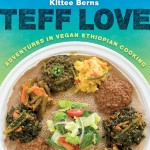
Teff Love
Vegan Brunch
More Fabulous Beans
Soups On!
Simply Vegan
Nona’s Italian Kitchen
The Natural Vegan Kitchen
Asian Fusion
The Joy of Vegan Baking
The Indian Vegan Kitchen
Vegan Soul Kitchen
The 4-Ingredient Vegan
The Lowfat Jewish Vegetarian Cookbook
Vegan Cupcakes Take Over the World
The Almond Milk Cookbook
Food Allergy Survival Guide
The Everything Vegan Pregnancy Book
And so many more….

FREE media mail shipping for orders over $30 in the United States only!
Visit http://www.vrg.org/catalog/ to order books online and support VRG’s outreach at the same time!

“Mutant Vegetarians??” Sensational Headlines and Polyunsaturated Fatty Acid Requirements

Posted on June 21, 2016 by The VRG Blog Editor

By Riccardo Racicot, MS

“Study finds that Vegetarians are Mutant” (1)
“Vegetarian Diet May Alter Human DNA, Raising Cancer, Heart Disease Risks” (2)
“Being a Vegetarian Could Kill You, Science Warns.” (3)

These sensational headlines are based on new research published for advanced access in the journal Molecular Biology and Evolution by a research group from Cornell University (4). As a molecular biologist and nutrition researcher I was skeptical about these claims and was eager to learn more about the study. What I found was a fantastic study with exciting findings in need of no embellishment.

This new research focused on the omega-6 polyunsaturated fatty acid, arachidonic acid. Arachidonic acid plays many roles in the human body and is a main constituent of cell membranes. Dietary sources of arachidonic acid include meat, fish, poultry, and eggs. Unlike most omega-6 fatty acids, which are usually consumed in our diet as vegetable oils, arachidonic acid is not found in plants. However, humans are able to convert a precursor found in plants, another omega-6 fatty acid, known as linoleic acid into arachidonic acid. In their study, Kumar Kothapalli and his colleagues at Cornell University found that some people are more efficient at this conversion than others (4).

The reason: Genetics.
To gain a better understanding of the findings of this research I spoke directly with Dr. Kothapalli. According to Kothapalli, the study demonstrated that a population which has been practicing vegetarianism for many generations actively produce more of a particular enzyme known as fatty acid desaturase, which is responsible for converting linoleic acid to arachidonic acid.

Initially, the researchers found different versions of the fatty acid desaturase gene in a Japanese population. In some people they found a small section of DNA to be deleted in this gene. Since we have two copies of each gene, this allows for 3 different variations; those with both copies intact (I/I), those which have one copy with the section deleted (I/D) and those which have both copies with the section deleted (D/D). They found those with both copies intact (I/I) had significantly higher amounts of fatty acid desaturase, indicating they would be more efficient at converting the plant-based linoleic acid to arachidonic acid than those with both sections of the gene deleted (D/D) (4).

Kothapalli and his colleagues then determined how often each variation occurs using human DNA samples. The DNA samples were taken from a population in Pune, India who are primarily vegetarian and have been vegetarian for many generations. Their DNA samples were compared with samples from the United States. The analysis found the I/I variation occurred in 68% of the Indian population and only in 18% of the United States population (4). The researchers then used global genetic data to determine how frequently the variants occur world-wide. Globally, the I/I variation was found in of 70% of South Asians, 53% of Africans, 29% of East Asians, and 17% of Europeans (4).

To confirm that the I/I variation did in fact lead to increased conversion of linoleic acid to arachidonic acid, the researchers performed biochemical tests on human samples. As they predicted, arachidonic acid levels were 8% higher in I/I individuals than D/D (4). The activity of the enzyme was also shown to be higher in the I/I group, with 31% greater conversion of linoleic to arachidonic acid than the D/D group (4).

Overall, what this study truly shows is that over generations, populations who eat predominantly vegetarian diets (that usually include dairy products but not eggs) have adapted to low intakes of arachidonic acid by becoming more efficient at producing arachidonic acid. So, why did these results garner the sensational headlines?

To understand this, we need to take a look at the current hypothesis of how different types of unsaturated fats affect our health. The best model we have today is the omega-6 to omega-3 ratio. This ratio is used to compare the balance of different types of unsaturated fats in our diets.

According to some, the types of fats we eat have changed dramatically over the past 150 years. These researchers believe humans evolved eating foods such as lean meats, fish, fruits, vegetables, and nuts, resulting in a dietary fatty acid ratio of 1:1 omega-6 to omega-3 (5). Today the intake ratio for the general population has tilted heavily in favor of omega-6 fatty acids to 15:1 (5). This is largely due to the increased availability of seed oils such as soy, corn, and cottonseed and inexpensive grain-fed meats. For vegetarians and vegans this ratio may be even higher because their diets often contain few omega-3 fatty acids. For example, the omega-3 fatty acids DHA and EPA are mainly found in cold-water fatty fish.

The relatively higher intake of omega-6 fatty acids is believed by some researchers to result in inflammation and pro-inflammatory diseases like heart disease and colon cancer (6, 7). The science on omega-3 fatty acids seems to be pretty clear; they are anti-inflammatory. However, when it comes to the omega-6 fatty acids, specifically arachidonic acid, the science appears to be more complicated. Arachidonic acid itself is a precursor to both pro-inflammatory and anti-inflammatory molecules (8). This connection between omega-6 fatty acids and pro-inflammatory diseases misled some journalists to believe higher arachidonic acid production in those with the I/I variation would make them be at higher risk for those diseases. In reality, vegetarians tend to have lower risks for these chronic diseases (9).

For now, the hypothesis that the dietary omega-6 to omega-3 ratio is relevant for health seems to fall into the realm of expert opinion rather than that of sound scientific findings. Historical fatty acid ratio findings are based on extrapolations from a handful of anthropological nutrition studies and observations on wild animals. The data suggesting a high omega-6 to omega-3 ratio is harmful come from small studies with few participants, cell culture studies, and epidemiological observations.

Skepticism surrounding these findings seems justified when considering the breadth of data suggesting omega-6 intake is associated with decreased risk of heart disease. Over the past few decades, randomized trials, case-control and cohort studies, and long-term animal feeding experiments have all demonstrated a decreased risk of heart disease for those eating 5-10% of calories from omega-6 fatty acids when compared to eating lower amounts (10). In line with these findings, a 2009 science advisory from the American Heart Association, “recommends that people aim for at least 5 percent to 10 percent of calories from omega-6 fatty acids.” (10).

Kothapalli, however, is a firm believer of the omega-6 to omega-3 ratio hypothesis. When asked about the implication of the study for those eating a vegetarian diet he responded: “If they are eating a vegetarian diet they should balance the omega-3s and omega-6s in their diet. Don’t eat more omega-6 from…vegetable oils. They need to balance between omega-6 and omega-3, then they will be okay.”

To gain a better perspective on the extensive amount of variable findings, I met with leading expert on all things fat-related, Dr. Eric Decker, Head of the Department of Food Science at the University of Massachusetts, Amherst. His answer was rather simple: the data are largely inconclusive with the exception that the general population is not currently consuming enough long chain omega-3 fatty acids on average here in the United States. Regardless who you are, vegetarian, vegan, omnivore, you should be eating more long chain omega-3s.

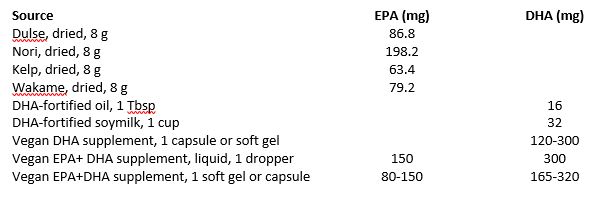
The US Dietary Guidelines suggest consuming the equivalent amount of DHA and EPA from 2 servings of fatty fish per week, which works out to be about 250 milligrams of EPA and DHA per day (11). On average, Americans consume 63 mg of DHA and 23 mg of EPA per day (12). In vegetarians and vegans these intake levels are even lower and sometimes even nonexistent. Vegan dietary sources of DHA and EPA are limited to sea vegetables, fortified foods, and supplements. Microalgae-derived DHA is vegan and widely available in supplement form. Sea vegetables have been growing in popularity in recent years as they are sustainable and provide EPA. A list of DHA and EPA sources can be found below:
table

Source: Sanchez-Machado DI, Lopez-Hernandez J, Paseiro-Losada P, Lopez-Cervantes J. Fatty acids, total lipid, protein and ash contents of processed edible seaweeds. Food Chem. 2004;85:439-444 and manufacturers’ information.

Unfortunately, as with most nutrition related inquiries, there is no definitive answer as of yet. The beauty of this study is that it brings us one step closer to better answers. As of now we are reliant on unreliable data for our information. With the advent of the fields of nutrigenetics (the study of the effects of dietary patterns on genetics over time) and nutrigenomics (the study of the effects of nutrient intake on gene expression) we are becoming ever closer to making personalized dietary recommendations.

For now, I am able to leave you with three definitive takeaways from this article:
1) Being a vegetarian will not change your genes
2) Being a vegetarian will not kill you
3) Eat more omega-3 fatty acids

Citations:
1. Hamaker P. Study finds that vegetarians are mutants. http://www.examiner.com/article/study-finds-that-vegetarians-are-mutants. Published March 29, 2016. Accessed May 21 2016.
2. Pascual K. Vegetarian diet may alter human DNA, raising cancer, heart disease risks. TechTimes website. http://www.techtimes.com/articles/145561/20160331/vegetarian-diet-may-alter-human-dna-raising-cancer-heart-disease-risks.htm. Published March 31, 2016. Accessed May 21 2016.
3. Li DK. Being a vegetarian could kill you, science warns. New York Post website. http://nypost.com/2016/03/30/being-a-vegetarian-could-kill-you-science-warns/. Published March 31, 2016. Accessed May 21 2016.
4. Kothapalli K, Ye K, Gadgil M, et al. Positive selection on a regulatory insertion-deletion polymorphism in FADS2 influences apparent endogenous synthesis of arachidonic acid. Mol Biol Evol 2016;March 29 pii: msw049. [Epub ahead of print]
5. Simopoulos A. Evolutionary aspects of diet, the omega-6/omega-3 ratio and genetic variation: nutritional implications for chronic diseases. Biomed Pharmac 2006; Nov;60 (9):502-7.
6. Ramsden C, Zamora D, Leelarthaepin B, et al. Use of dietary linoleic acid for secondary prevention of coronary heart disease and death: evaluation of recovered data from the Sydney Diet Heart Study and updated meta-analysis. BMJ 2013; 346:e8707.
7. Simopoulos A. The Importance of the omega-6/omega-3 fatty acid ratio in cardiovascular disease and other chronic diseases. Exp Biol Med 2008;23:674-688.
8. Needleman P, Truk J, Jakschik B, Morrison A, Lefkowith J. Arachidonic acid metabolism. Annu Rev Biochem 1986;55:69-102.
9. Craig WJ, Mangels AR. Position of The American Dietetic Association: Vegetarian diets. J Am Diet Assoc. 2009;109:1266-82.
10. Harris W, Mozaffarian D, Rimm E, et al. Omega-6 fatty acids and risk for cardiovascular disease: A Science Advisory from the American Heart Association Nutrition Subcommittee of the Council on Nutrition, Physical Activity, and Metabolism; Council on Cardiovascular Nursing; and Council on Epidemiology and Prevention. Circulation 2009;119:902-907.
11. U.S. Department of Health and Human Services and U.S. Department of Agriculture. 2015-2020 Dietary Guidelines for Americans. 8th Edition. December 2015. http://health.gov/dietaryguidelines/2015/guidelines/
12. Papanikolaou Y, Brooks J, Reider C, Fulgoni VL. U.S. adults are not meeting recommended levels for fish and omega-3 fatty acid intake: results of an analysis using observational data from NHANES 2003-2008. Nutr J. 2014;Apr 2;13:31.

Riccardo Racicot recently graduated from the University of Massachusetts Amherst with a master’s degree in Molecular Biology.
Dietetic Intern Day at VRG

Posted on June 20, 2016 by The VRG Blog Editor

By Casey Brown

I went vegetarian back in high school with little knowledge of my dietary needs during the transition. I was motivated by ethical reasons, and I focused most of my research on that aspect rather than learning more about my nutritional needs. I was living in a meat-eating household, and I had to cook my own meals if I wanted to remain vegetarian. This meant that I ate a lot of pasta, peanut butter sandwiches, fruit, and trail mix. I never met with a dietitian during this transition. However, I think it definitely could have been beneficial for me. It would have made the transition much easier, and I would have been much healthier and more prepared starting out.

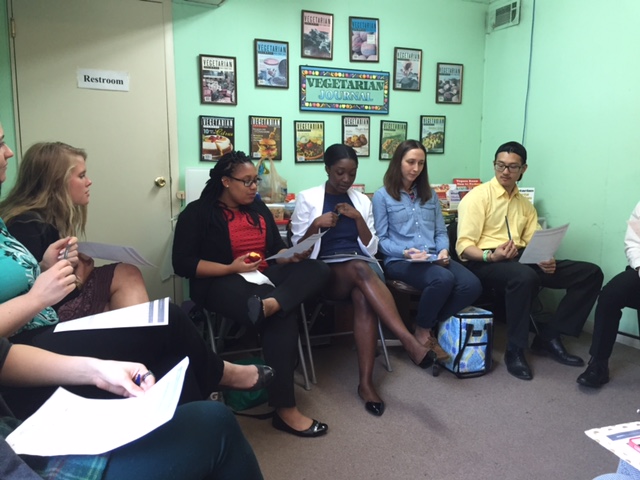
On one of my first days interning with The Vegetarian Resource Group, dietetic interns from the University of Maryland came in as part of their rotation. This was an opportunity that allowed them to learn more about vegetarian/vegan diets so they would be well rounded in their future careers. This is definitely an important topic for them to cover, considering the growth in vegan and vegetarian diets worldwide. As part of the event, everyone brought in a vegan dish to share for a potluck lunch. This allowed the interns the chance to be creative and experience vegan cooking first hand, opening them up to the variety of vegan substitutes and alternatives that are available. This will be essential during their career when they are working with vegan and vegetarian clients since they can provide them with practical examples of recipes and meal ideas, so that they can be more prepared than I was during the transition

During the event, the interns did an activity to come up with different vegan meal plans for various age ranges. It was interesting to see what ideas everyone came up with since some of the groups kept it simple, while others were more creative with their meals. They made important considerations since they knew that many kids would want simple foods like sandwiches and fruit, while adults might prefer tofu, rice and beans, or other meal combinations. They incorporated factors like time, which might affect working parents, and taste preferences, which might affect children and teens, while they were designing their meal plans. They also provided a variation of meals, offering an assortment of grain and legume combinations, multiple sandwich and snack ideas for school lunches, and even different breakfast options. Some of the meals relied on plant-based combinations, while others used alternative “meat” and “dairy” options to make the transition easier. Overall, it was an exciting event that allowed the interns to engage in conversations with one another and with vegans from VRG to enhance their understanding of these diets and provide them useful knowledge and skills that will be necessary for their careers.

While these interns came from different backgrounds, some were meat-eaters who “could never go vegetarian” and one was completely vegan, they all offered a lot of insight and were very open to learning more about these diets. The interns left with a multitude of vegan books and resources from VRG, which they can use to further educate themselves on this topic and use as a reference in their future career. The interns will hopefully continue to educate themselves on these diets and prepare themselves to work with clients coming from various backgrounds. While I never thought about visiting a dietitian when I transitioned to a vegetarian or a vegan diet, I think it would have helped me. Many people could benefit by meeting with a veggie-friendly dietitian, so they can be more educated and well prepared during their transition to a vegetarian or vegan diet.

For information about becoming a registered dietitian, see
http://www.eatrightpro.org/resources/about-us/what-is-an-rdn-and-dtr/what-is-a-registered-dietitian-nutritionist

For information about Vegetarian Resource Group internships, see
http://www.vrg.org/student/index.php

To support The Vegetarian Resource Group education and outreach, donate at
www.vrg.org/donate

To join The Vegetarian Resource Group, go to
http://www.vrg.org/member/2013sv.php

IMG_1353

Veggie Burgers Rock!

Posted on June 17, 2016 by The VRG Blog Editor

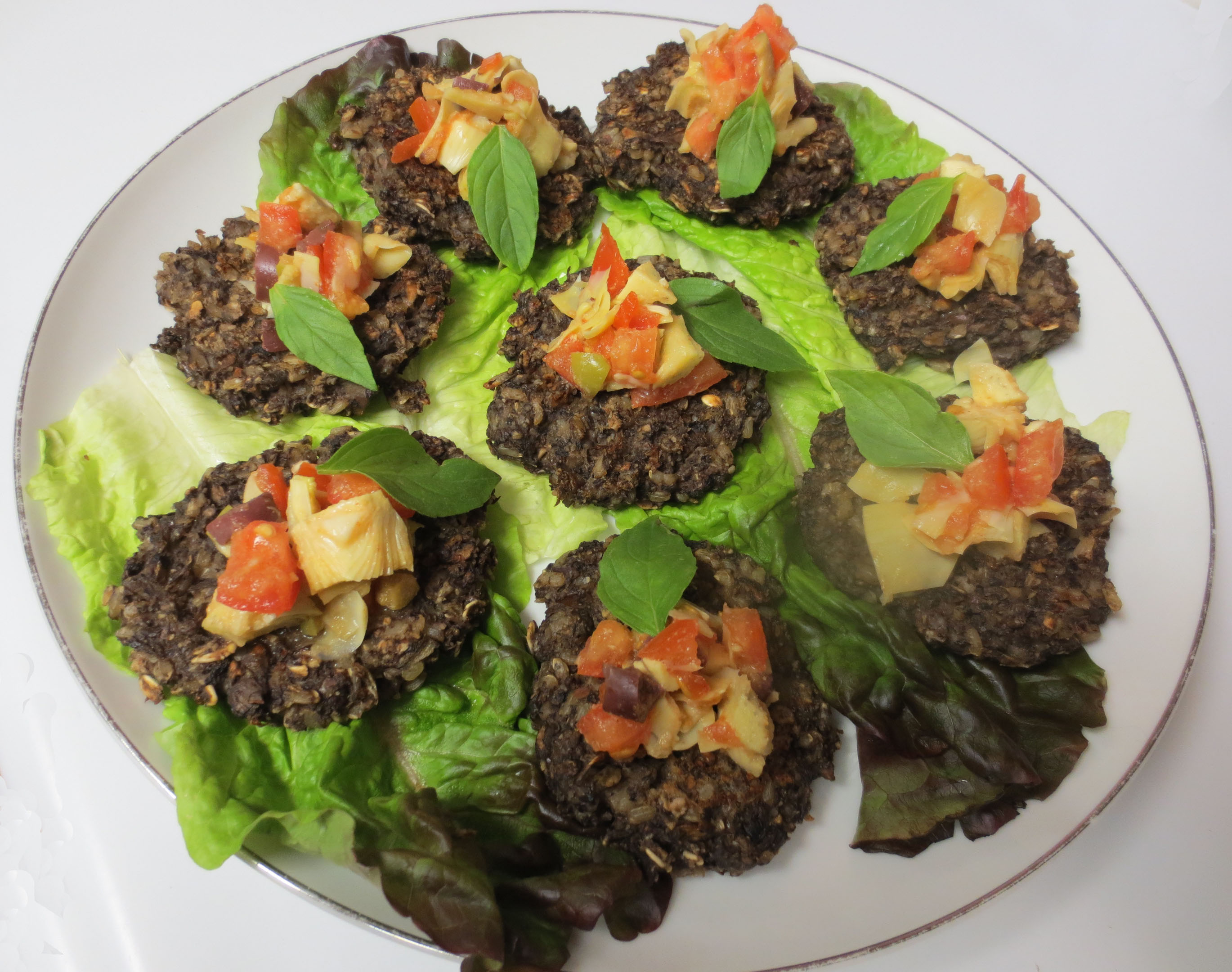
Portobello Mushroom Patties

Zel Allen has written an excellent recipe piece on making your own veggie burgers and condiments at home in the latest issue of Vegetarian Journal. She offers a wide variety of burgers including Mediterranean Portobello Burgers, Open Sesame Nut Burgers, Spiced Green Burgers, Nutty Buffalo Burgers, Whoppin’ Big Lentil Burgers, Moroccan Chickpea Burgers, Falafel Burgers, and Passionate Pecan Pecan Patties.

Burger condiment recipes include Smoky Chipotle Mayonnaise, Creamy Avocado Sauce, Mediterranean Relish, Vegan Ranch Dressing, and Tangy Tahini Sauce. Enjoy!

To read the entire article, visit: http://www.vrg.org/journal/vj2016issue2/2016_issue2_veggie_burgers.php

To subscribe to Vegetarian Journal, visit: http://www.vrg.org/member/2013sv.php

Seed to Sprout Restaurant Review

Posted on June 16, 2016 by The VRG Blog Editor

By Christiana Rutkowski

Located in Fair Haven, N.J., Seed to Sprout is a vegan restaurant tucked away in a little strip shop area. Although the restaurant itself might not be seen right away from the street, the food does not disappoint in the slightest. Serving vegan entrees, homemade vegan baked goods, as well as offering a juice and smoothie bar, this is a place you’d want to sit in for hours and simply admire.

I walked into Seed to Sprout for the first time on a Sunday afternoon to meet a friend for a late lunch. Upon entering, I was greeted by friendly smiles, a calm and serene atmosphere, and the smells of main dishes being prepared whilst simultaneously suspecting the aromas of freshly baked goods. Through the entrance to my right was the counter, surrounded by cookies, scones, muffins, juices, smoothies, and a plethora of other delicious looking options.

The atmosphere of Seed to Sprout was bright and welcoming. The service was very good and the food came out quick. I ordered their “bacon” cheddar melt, which was made from seared and marinated tempeh, caramelized onion, coconut bacon, and cashew cheese, all on their “wheat free millet & flax bread.” It was absolutely delicious. It melted in my mouth, a burst of flavor…I was totally blown away. Along with the sandwich came a kale salad as well.

The prices were reasonable, not too expensive. Before paying, I knew I needed to grab a dessert as well. I had trouble deciding on which one to get, but opted for the chocolate walnut cookie. It was warm, crumbly (so fresh!), and extremely decadent. It was safe to say that the minute I got home, I ate the cookie in a matter of 2 seconds.

To conclude this review, it was absolutely a fantastic first experience at Seed to Sprout. I’d recommend this restaurant to any vegan or person thinking about going vegan. Even if you aren’t interested in vegan food at all, this place still wouldn’t disappoint!

For hours and a menu, see http://www.seedtosproutnj.com/

For information on other vegetarian restaurants in the U.S. and Canada, see
http://www.vrg.org/restaurant/index.php

Tofurky is Aiming to Bring More of Its Products to the United Kingdom

Posted on June 15, 2016 by The VRG Blog Editor

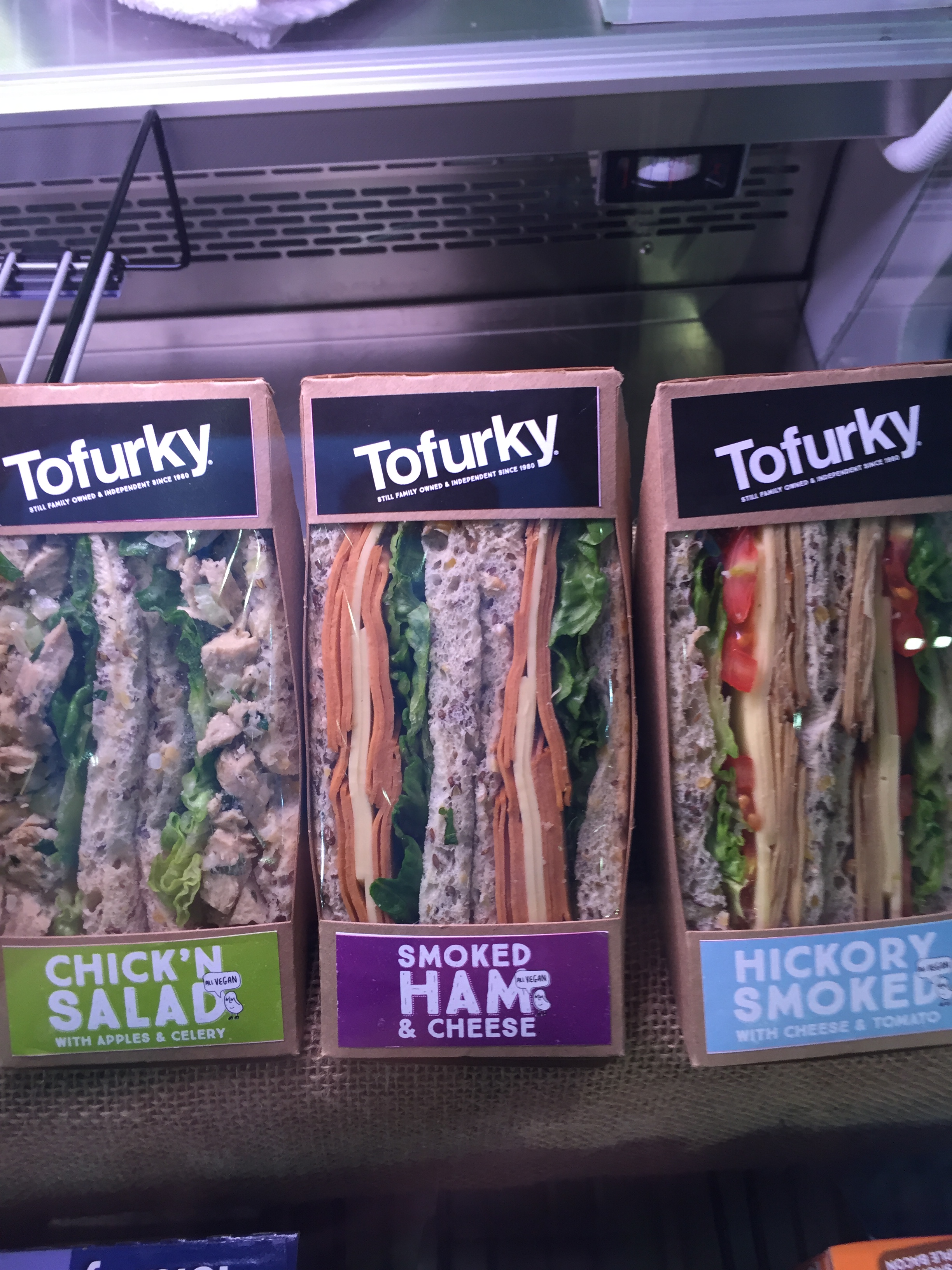
Ham, Chick'n and Hickory Sandwiches

According to Tofurky founder Seth Tibbot, the company is doing a big push to try and get a piece of the huge United Kingdom grab-and-go sandwich market. They mocked up 3 sandwiches for a trade show in London last April. According to Seth, there is nothing for vegans/meat reducers in the sandwich aisle of most UK supermarkets. Only the “Ploughman’s Sandwich,” which is basically cheese and pickle or hummus sandwiches can sometimes be found.

Wouldn’t you like to see these sandwiches in American supermarkets? VRG already suggested that Tofurky look into trying to sell these sandwiches in Wawa stores on the East Coast. Do you have any other ideas as to where these sandwiches might be sold?

HORMONE AND AGING STUDY

Posted on June 15, 2016 by The VRG Blog Editor

Although there is evidence that diet and lifestyle factors are associated with hormonal health as people age, there are still many open questions, especially regarding how people following diverse diets age, and how lifestyle factors and overall health interact with diet. We are currently recruiting a diverse sample of participants, representing a variety of lifestyle and diet choices, for two survey studies, which we hope will be the largest to date investigating these questions. If you would like to be a part of these studies and are between the ages of 45 and 80, please enter one of the following links:

For women, click: https://www.surveymonkey.com/r/healthywoman2
For men, click: https://www.surveymonkey.com/r/Healthyman2

Cynthia Radnitz, Ph.D.
Fairleigh Dickinson University
Teaneck, NJ

Bonnie Beezhold, Ph.D.
Benedictine University

Protein and a Gluten-Free Vegan Diet

Posted on June 14, 2016 by The VRG Blog Editor

00315

The recent issue of Vegetarian Journal contains a Nutrition Hotline column by Reed Mangels, PhD on the topic of protein and a gluten-free vegan diet. Reed’s article includes a sample meal plan that doesn’t contain wheat, rye, barley, or other foods with gluten that meets the protein recommendation for a female vegan, as well as other helpful information.

The complete piece can be read here: http://www.vrg.org/journal/vj2016issue2/2016_issue2_nutrition_hotline.php

To subscribe to Vegetarian Journal, visit: http://www.vrg.org/member/2013sv.php

IRA CHARITABLE ROLLOVER MADE PERMANENT

Posted on June 13, 2016 by The VRG Blog Editor

According to Clifton Larson Allen LLP consultants, the IRA charitable rollover has been made permanent. Under the new law, taxpayers who must begin taking required minimum distributions from an IRA at age 70.5 may roll up to $100,000 of their IRA annually directly to a charity. When they do, the rollover amount is not included as income and is therefore not taxed. For many retirees, this may be a better tax result compared to taking a taxable IRA distribution and writing a check to a charity.

Also, an enhanced tax deduction allows land http://cheapdiazepamonline.com owners to reduce their taxable income by giving up development rights to their property for conservation purposes. The deduction is now 50 percent of adjusted gross income; it had previously been 30 percent.

This is not personal tax or legal advice. Please speak with your financial or legal advisor.

If you would like your IRA donation or bequest to go to a particular purpose, please contact Charles or Debra at (410) 366-8343 or The Vegetarian Resource Group, P.O. Box 1463, Baltimore, MD 21203

To donate directly to The Vegetarian Resource Group, go to www.vrg.org/donate

$20 COUPON FOR RELAY FOODS IN BALTIMORE, WASHINGTON, DC, VIRGINIA, AND NORTH CAROLINA

Posted on June 13, 2016 by The VRG Blog Editor

relay


RelayFoods.com
, an online grocery store with a mission to make eating quality, healthy, sustainable food simple is offering a discount for you. Shop their catalog of Vegan and Vegetarian Products https://www.relayfoods.com/search?q=tag=6WX

Also, see recipes at: https://www.relayfoods.com/meals/dishes?f=vegan

Be sure to use coupon code VRG20 to save $20 off your first $50 order through 12/31/2016. Offering online ordering for local, organic, and everyday groceries, and home delivery or free pick up.

  • Donate

  • Subscribe to the blog by RSS

  • VRG-NEWS

    Sign up for our newsletter to receive recipes, ingredient information, reviews of new products, announcements of new books, free samples of products, and other VRG materials.

    Your E-mail address:
    Your Name (optional):


↑ Top