The Vegetarian Resource Group Blog

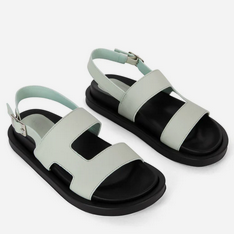
Where You Can Purchase Vegan Sandals Online Worldwide
Posted on April 25, 2025 by The VRG Blog Editor

photo from Matt & Nat

Warmer weather has arrived in many parts of the world and you may need a new pair of vegan sandals. Here are online shops selling a wide variety of vegan sandals from various countries:

USA

Bhava Studio: American company offering women’s sandals.

https://bhavastudio.com/collections/sandals

Matt & Natt: American company selling women’s sandals. Shipped to several countries.

https://us.mattandnat.com/collections/sandals

Mooshoes: American company selling women’s and men’s sandals.

https://www.mooshoes.com/collections/womens-sandals

https://www.mooshoes.com/collections/mens-sandals

Okabashi: American company selling sandals for women and men.

https://www.okabashi.com/collections/womens-sandals

https://www.okabashi.com/collections/mens-sandals

Third Oak: American company offering women’s sandals.

https://explorethirdoak.com/collections/sandals

Vegan Chic: American company selling women’s and men’s sandals.

https://www.veganchic.com/women/vegan+sandals/search.aspx

https://www.veganchic.com/men/vegan+sandals/search.aspx

Europe

BioWorld: Company from Spain that offers women’s sandals.

https://www.bioveganos.com/c182148-sandalias-de-mujer.html

Freerangers: British company selling women’s and men’s sandals.

https://www.freerangers.co.uk/ladies-sandals

https://www.freerangers.co.uk/mens-sandals

Green Laces: Swedish shop offering men’s and women’s sandals.

https://greenlaces.se/produkt-kategori/shop/shop-skor/shop-herr-skor/shop-herr-skor-sandaler/

https://greenlaces.se/produkt-kategori/shop/shop-skor/shop-dam-skor/shop-dam-skor-sandaler/

Vegetarian Shoes: British company selling women’s sandals.

https://www.vegetarian-shoes.co.uk/womens/womens_sandals/10153_0c.html

Canada

Native Shoes: Canadian company selling sandals for women and children.

https://www.nativeshoes.com/womens/sandals

https://www.nativeshoes.com/girls/sandals

https://www.nativeshoes.com/boys/sandals

Australia

Holster Australia: Australian company offering sandals for women. Will ship to USA.

https://www.holsterfashion.com/collections/sandals
My Vegan Plate from The Vegetarian Resource Group

Posted on April 24, 2025 by The VRG Blog Editor

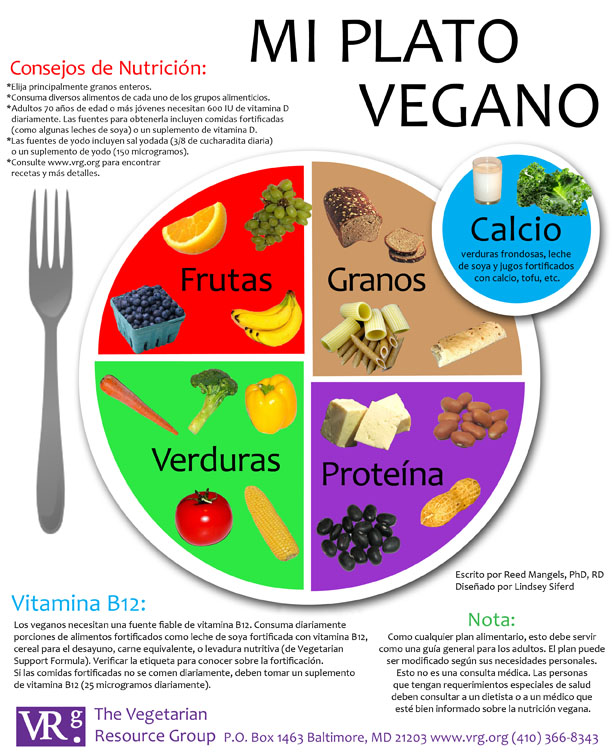
Nothing beats a simple graphic to get the vegan message out! The Vegetarian Resource Group created My Vegan Plate to display on outreach tables at various events. If you live in the United States, you can request copies of this handout to distribute by emailing us at [email protected]

You can view the handout here: https://www.vrg.org/nutshell/MyVeganPlate.pdf

This same handout can also be read in Spanish here: https://www.vrg.org/images/miplatovegano.jpg

We also have a version you can print out for kids to color on: https://www.vrg.org/nutshell/MyVeganPlateCP.pdf

Donations towards this outreach are always appreciated: www.vrg.org/donate

A Passion for Peas

Posted on April 24, 2025 by The VRG Blog Editor

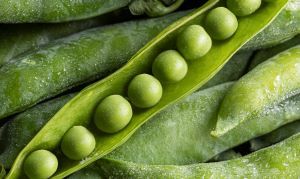
Debra Daniels-Zeller provides information on selecting and preparing fresh pea dishes including Braised Pea Shoots, Pea Shoots and Quinoa, Minted Sugar Snap Peas and Leeks, English Pea Guacamole, Sesame-Ginger Snow Peas, Snow Pea Slaw with Red Peppers, Mac and Peas, and Penne Pasta, Sugar Snap Peas, and Tomatoes. Enjoy!

The entire article can be read here: A Passion for Peas

To subscribe to Vegan Journal, visit: http://www.vrg.org/member/2013sv.php

Are You Searching for Vegan Shoes for Your Baby or Toddler?

Posted on April 23, 2025 by The VRG Blog Editor

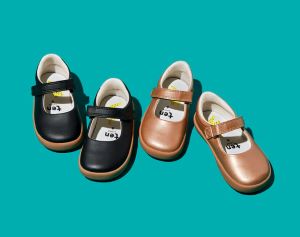
photo from Ten Little Shoes

The following online stores offer vegan baby and toddler shoes.

Clamfeet: Offers adorable baby shoes and matching shoes for mothers. They have an eco-canvas exterior, organic cotton lining, and rubberized grip sole. They are washable. https://clamfeet.com/

Happy Little Soles: This UK company offers a vegan section of shoes for boys and girls. They ship to the US. https://www.happylittlesoles.co.uk/

Ten Little Shoes: Offers vegan shoes for kids. https://tenlittle.com/

Tom’s: Sells vegan shoes for children worldwide. Search under the word vegan. https://www.toms.com/us/kids/shoes

Vegan Chic: Offers a few options for children including The Kid’s Ramos by Keep. https://www.veganchic.com/kids/vegan+shoes/search.aspx

Vegan Food for the Plane

Posted on April 23, 2025 by The VRG Blog Editor

Photo by Alina Matveyche

by Reed Mangels, PhD, RD

Although airports are more likely to indicate which food establishments have “vegetarian/vegan” options, my experience is that many places don’t have much in the way of vegan options other than beverages or maybe a bag of nuts. If you have an unexpectedly long layover or a canceled flight, you can make do but, all too often, choices are limited, and prices are high. That’s why I usually bring my own food. My criteria for plane and airport food include:

  • Not messy.
  • Little chance of leakage. I don’t want anything that could seep out of a sealed container into my carry-on bag.
  • Meets TSA regulations.
  • No strong smells out of kindness for my seatmates.
  • Does not need to be kept cold or warm. Also, no food safety concerns.

Here are some foods I bring for the plane:

  • Bananas
  • Apples
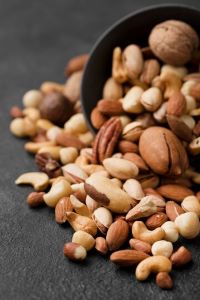
  • Resealable bags of nuts
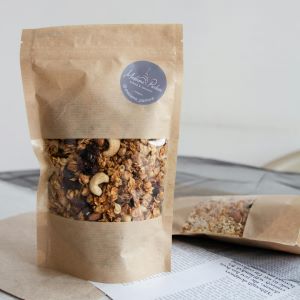
  • Trail mix or granola
  • Bagels
  • Nut butter and jelly in a tortilla – this doesn’t seem to get as soggy as a PB and J sandwich
  • Carrot sticks
  • Dried fruit – dried mango is a treat
  • Vegan jerky
  • Energy bars or granola bars

Nothing terribly exciting but it’s enough to get me from one coast to the other without hunger pangs.

Here are some more ideas for food to bring to the airport and on the plane: Budget-Friendly Airport Tips for the Conscious Vegan Traveler

Here are some ideas for finding vegan food in U.S. airports

Add Nuts to Your Meals!

Posted on April 22, 2025 by The VRG Blog Editor

Chef Nancy Berkoff, EdD, RD offers these ideas for adding nuts in your menus:

  • Add to salad dressings: Creations include a basil walnut vinaigrette or creamy salad dressing with almonds, mustard, and dill with added chopped pine nuts.
  • Add to sandwiches: Chopped walnuts, almonds, peanuts, and pecans add a toasty flavor and extra texture to grilled vegetable sandwiches, falafel, and hummus. Or add chopped nuts to smooth peanut, almond, or soy butters to make a crunchy sandwich.
  • Use as garnish: Increase protein, flavor, and texture by adding to bean and rice casseroles, baked potatoes, hot and cold cereal, baking batters, puddings, or vegan ice cream sundaes.
  • Add to pasta: Top tomato-sauced pasta with chopped almonds or pine nuts, creamy-sauced pastas with walnuts or pecans, or toss pasta with olive oil, sautéed garlic, and chopped almonds.
  • Add to sauces: Stir peanut butter or soy butter into mushroom sauces for a Thai effect; add ground almonds or pine nuts to creamy sauces and pecans or pistachios to fruit sauces.
  • Add to breakfast: Baked apples, oatmeal, hot cereals, cold cereals, and muffins can all benefit from a variety of chopped nuts.

Read the entire article here: https://www.vrg.org/journal/vj2021issue1/2021_issue1_cooking_tips.php

Subscribe to Vegan Journal in the USA only by visiting https://www.vrg.org/member/2013sv.php

Celebrate Earth Day!

Posted on April 22, 2025 by The VRG Blog Editor

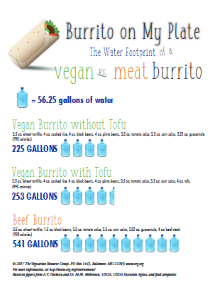
The Vegetarian Resource Group has a graphic called Burrito on My Plate, which shows viewers the water footprint of a vegan versus a meat-based burrito. It takes 225 gallons of water to make a vegan burrito without tofu and 253 gallons of water to make a vegan burrito with tofu. In comparison, it takes 541 gallons of water to make a beef burrito.

The Burrito on My Plate Graphic can be seen here: https://www.vrg.org/environment/BurritoOnMyPlate.pdf

The article detailing how we came up with the numbers of gallons of water needed to produce each type of burrito can be found here: https://www.vrg.org/journal/vj2017issue2/2017_issue2_burrito_plate.php

Study Examines the Use of a Whole-Food, Plant-Based Diet in Type 2 Diabetes

Posted on April 21, 2025 by The VRG Blog Editor

by Reed Mangels, PhD, RD

More than 11% of the population of the United States has type 2 diabetes (1), which used to be known as adult-onset diabetes. In the United States in 2022, the most recent year for which information is available, the total cost of diabetes was $412.9 billion (1). This includes both direct medical costs and indirect costs such as reduced employment due to diabetes. People with diabetes in the United States had average medical expenditures that were 2.6 times higher than people without diabetes (1). Worldwide, about 12.5% of adults are estimated to have diabetes (2).

Diet is an important part of the treatment of diabetes. Research supports the use of vegetarian or vegan diets in treatment of diabetes (3) and several organizations including the European Association for the Study of Diabetes (4) and Diabetes Canada (5) back the use of vegetarian/vegan diets to manage type 2 diabetes.

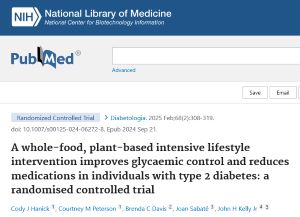
A recent study conducted in the Republic of the Marshall Islands examined the use of a whole-food, plant-based diet in people with type 2 diabetes (6). Although a whole-food, plant-based diet is often identified as a vegan diet, the diet used in this study could include animal products.

What is the study?

The study was the longest and largest trial so far of a whole-food, plant-based diet compared to standard medical care in people with type 2 diabetes. Study participants, 149 of whom completed the study, were assigned to either follow a whole-food, plant-based diet along with moderate exercise or to receive their standard medical care for 24 weeks. At the start of the study, most participants were taking medications to control their blood glucose levels.

The whole-food, plant-based diet, as prescribed, was high fiber and low in fat and saturated fat. It featured foods that are commonly eaten in the Marshall Islands. For the first 2 weeks of the study, participants were told to completely avoid animal products. Later they could consume small amounts of animal foods, oils, and processed foods. Records were not kept of what people actually ate so we don’t know how well they complied with the diet. This group was instructed to exercise for an hour a day for the first two weeks and then for 30 minutes to an hour daily for the remainder of the study.

The subjects in the standard care group were told to maintain their current diet and exercise habits.

What did this study find?

On average, participants in the whole-food, plant-based diet group had a greater decrease in their hemoglobin A1C compared to those in the standard care group. Hemoglobin A1C indicates what one’s average blood sugar levels are. More than 60% of those in the diet group reduced their glucose-lowering medications compared to 24% of those in the standard care group. The researchers noted that some of those in the standard care group were attempting to change their diet to be more like that of the diet group. None of the standard care group achieved remission of their diabetes, compared to 8% of those in the whole-food, plant-based group. Remission was defined as having satisfactory hemoglobin A1C levels after not using diabetes medications for at least 3 months. About 67% of those in the whole-food, plant-based diet group were able to reduce their dose of medications for heart disease compared to 15% of the standard care group.

Are there practical implications?

This study suggests that health care providers can recommend a whole-food, plant-based diet with moderate exercise for people with type 2 diabetes.

References:

  1. American Diabetes Association. Statistics About Diabetes. https://diabetes.org/about-diabetes/statistics/about-diabetes. 2023.
  2. International Diabetes Federation. Facts & Figures. https://idf.org/about-diabetes/diabetes-facts-figures/.
  3. Guest NS, Raj S, Landry MJ, et al. Vegetarian and vegan dietary patterns to treat adult type 2 diabetes: A systematic review and meta-analysis of randomized controlled trials. Adv Nutr. 2024;15:100294.
  4. Diabetes and Nutrition Study Group (DNSG) of the European Association for the Study of Diabetes (EASD). Evidence-based European recommendations for the dietary management of diabetes. Diabetologia. 2023;66:965-985.
  5. Diabetes Canada Clinical Practice Guidelines Expert Committee, Sievenpiper JL, Chan CB, Dworatzek PD, Freeze C, Williams SL. Nutrition therapy. Can J Diabetes. 2018;42 Suppl 1:S64-S79.
  6. Hanick CJ, Peterson CM, Davis BC, et al. A whole-food, plant-based intensive lifestyle intervention improves glycaemic control and reduces medications in individuals with type 2 diabetes: a randomised controlled trial Diabetologia. 2025;68:308-319.

To read more about vegetarian/vegan diets and diabetes see:

Managing Type 2 Diabetes

Vegan Menu for People with Diabetes

Book Review: The Plant-Powered Plan to Defeat Diabetes

Dietary Factors Associated with Type 2 Diabetes

A Vegan Diet May Reduce the Risk for Developing Type 2 Diabetes in Overweight Adults

The contents of this website and our other publications, including Vegetarian Journal and Vegan Journal, are not intended to provide personal medical advice. Medical advice should be obtained from a qualified health professional. We often depend on product and ingredient information from company statements. It is impossible to be 100% sure about a statement, info can change, people have different views, and mistakes can be made. Please use your best judgment about whether a product is suitable for you. To be sure, do further research or confirmation on your own.

Earth Day is Tomorrow – Share These Vegan Zero Waste Recipes

Posted on April 21, 2025 by The VRG Blog Editor

Cierra Peterlin shares vegan recipes utilizing foods that would otherwise go to waste. She says, “These ideas are meant to provide a quick view of what it could look like to eat in a way that is conscious of food waste each day.” Some of the recipes include Stale Bread French Toast, Celery Leaf Salad, Potato Soup, Wrinkly Pepper Fajitas, Banana Peel Tacos, and more. See: https://www.vrg.org/nutrition/vegan-zero-waste-recipe-ideas.pdf

Lettuce Entertain You! – It’s Lettuce Season

Posted on April 18, 2025 by The VRG Blog Editor

By Chef Nancy Berkoff, EdD, RD

HEADS UP: there are two large categories of lettuce, head lettuce and leaf lettuce. Until recent years, the most popular head lettuce was iceberg. And why, might you ask, is this green-on-the-outside, white-on the inside called “iceberg?” No, it has nothing to do with the Titanic. When iceberg lettuce was first commercialized on a large scale it had to be covered with ice so it would not wilt during shipping. There, now you know.

OIL BE DARNED: Lettuce was originally valued for the oil pressed from its seeds. We’re talking at least 4,500 years ago. There are documents proving that the Persian nation ate lettuce leaves at least as far back as 600 BCE. The ancient Greeks and Romans valued lettuce as both a vegetable and a remedy. The word lettuce comes from the Latin “lactuca,” which comes from “lactus,” which means “milk,” because, when cut, lettuce leaves tend to give off a milky sap.

GREEN, RED, WHITE, AND BEYOND: Lettuce leaves are generally green, but they also come in red, white, pale yellow, and faintly purple Whichever color you choose, be sure the leaves are glossy, firm and crisp. For head lettuce, be sure the head is dense (the leaves should be closely packed) and that the head feels heavy for its size. Leaf lettuce should have firm, crisp leaves that have a clearly defined rib down the center. Always avoid dull-looking, rusty, soggy or yellowing leaves.

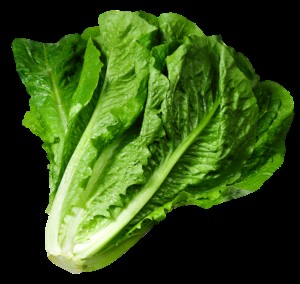
THE GREENER THE LETTUCE…generally the more vitamins and minerals it contains. Most varieties have a fair amount of folic acid (an important B vitamin), are helpful for hydration and are low in calories and sodium. Deep green lettuces, such as romaine or Boston are higher in nutrients then the paler varieties, such as iceberg.

FIRE AND ICE: lettuce is usually eaten raw, but a classic French garnish, called “chiffonade,” is a light sauté of shredded lettuce in a small amount of vegetable oil. So, impress the folks with “petit pois a la francaise,” baby peas with a garnish of sautéed lettuce. Lettuce can be quickly braised in vegetable stock and place on top of a cold salad for a “fire and ice” creation. Toss chopped lettuce leaves into soup right before serving—the broth will cook the leaves. Lettuce gives a light, refreshing flavor to soups. Add interest to cold lettuce salads by combining several types of lettuce (bagged, ready-to-use lettuces are great for this).

Petits Pois a la Francaise

(Serves 6-8)

2 Tablespoons vegetable oil of your choice

3 cups freshly shelled or frozen peas
1 cup finely shredded head lettuce, such as Iceberg
1/2 cup chopped green onions (white part only)
1 teaspoon ground black pepper
1/8 teaspoon sweetener

Wash fresh peas and pat dry. If using frozen peas, do not thaw. Heat a large frying pan, add oil. Add peas to the pan and heat and toss briefly, to coat, about one minute. Add all remaining ingredients and toss to combine. Put heat on low, cover, and simmer until peas are just tender, about 5 minutes. Serve immediately.

  • Donate

  • Subscribe to the blog by RSS

  • VRG-NEWS

    Sign up for our newsletter to receive recipes, ingredient information, reviews of new products, announcements of new books, free samples of products, and other VRG materials.

    Your E-mail address:
    Your Name (optional):


↑ Top