The Vegetarian Resource Group Blog

What Is Annatto?

Posted on August 09, 2011 by The VRG Blog Editor

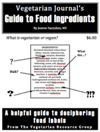
Our Guide to Food Ingredients, which is very helpful in deciphering ingredients like “annatto,” is now available in many different formats!

Get it in print, online, on iPhone/iPad/iPod Touch, and on Windows Phone 7!

Annatto
Also known as: annatto extract, annatto seed, norbixin.
Commercial source: vegetable.
Used in: margarine, shortening, cheese, seasonings, sausage casings.
Definition: A natural yellow-orange food coloring derived from a tree seed.
Vegan

Your support allows us to continue this ingredient research and make updates as new information arises. Please consider making a donation.

Help Us Keep VRG’s Restaurant Guide Current and Accurate

Posted on August 04, 2011 by The VRG Blog Editor

Help us keep Vegetarian Journal’s Guide to Natural Food Restaurants in the US and Canada, and our online version, current and accurate. Restaurants continually change locations, new ones open, and others close.

You can help us update the next edition of this book by filling out this form. Let us know about any restaurants we should add, delete, or if our existing entry should be changed. And of course, please let the restaurant know when they are listed in the book. Thanks!

Donate to VRG through the Combined Federal Campaign (CFC)

Posted on August 02, 2011 by The VRG Blog Editor

Federal government employees can support The Vegetarian Resource Group through the Combined Federal Campaign (CFC). Look for us under Health & Medical Research Charities of America.

We are also participating in the California State Employees Charitable Campaign. If you are a California State employee, please support Vegetarian Resource Group outreach.

Please also remember VRG in other workplace fund drives, matching gifts, etc.!

Vegan Restaurants Around the U.S.

Posted on August 01, 2011 by The VRG Blog Editor

These vegan restaurants were recently added to our online restaurant guide. To find restaurants in your area, visit: http://www.vrg.org/restaurant/index.php

Garden Secrets Restaurant
538 W. Grand Ave., Hot Springs, AR 71901
(501) 623-9700
http://gardensecretsrestaurant.com/
Vegan/international. Garden Secrets offers an all-vegan menu of American, Mexican, Chinese, and Italian cuisines. Enjoy wraps, subs, burgers, soups, salads, and entrees. Garden Secrets is located near the heart of Hot Springs and just around the corner from Bathhouse Row and Hot Springs National Park. Open Sunday through Thursday for lunch and dinner. Open Friday for lunch. Closed Saturday. Full service, take-out, catering, smoothies, VISA/MC/AMEX/DISC, $-$$.

Like No Udder
Providence, RI 02903
(401) 419-8869
http://www.like-no-udder.com/
Vegan/ice cream/food truck. Like No Udder is a vegan soft serve ice cream truck! Serving various locations and events in Providence and beyond, visit their website to track them in (almost) real time and to view their calendar of events. In addition to non-dairy soft serve, they offer vegan treats including shakes, floats, frozen slushies, and candy bars. During day-long events or festivals, they offer hot food items such as vegan hot dogs and vegan meatball subs. No hydrogenated ingredients are ever used. Cash only. Hours vary. Take-out, catering, special beverages, $.

Loving Hut
2842 Rogers Dr., Falls Church, VA 22042
(703) 942-5622
http://www.lovinghut.us/fallschurch_01/
Vegan/Asian/American. Loving Hut is an international vegan restaurant chain with the slogan, “Be Veg. Go Green. Save the Planet.” They offer gourmet vegan cuisine “for those making the noble transition to a plant-based diet.” Although the menu varies by location, it typically includes appetizers, soups, salads, entrees, desserts, and special beverages. Both Asian and American meals are served including mock meat and vegetable dishes. Loving Hut was created with a vision that all beings could live in peace, love, and harmony with each other and the planet. Open Thursday through Tuesday for lunch and dinner. Closed Wednesday. Full service, take-out, special beverages, VISA/MC, $.

Please help us keep our restaurant guide current and accurate. Restaurants continually change locations, new ones open, and others close. To let us know about any restaurants we should add, delete, or if our existing entry should be changed, please complete the form here:
http://www.vrg.org/travel/restupdate.php

If you would like to volunteer with maintaining and updating The Vegetarian Resource Group restaurant guide, email us at [email protected]. Thank you!

Vegan Version of USDA MyPlate now Available as Full-Color Handout and Coloring Page

Posted on August 01, 2011 by The VRG Blog Editor

A vegan version of the USDA MyPlate is now available in two versions online: a full-color handout and coloring page.

The handout is perfect for any vegan or vegetarian, and also useful for dietitians. The coloring page is great for parents, teachers, students, and kids of all ages.

You can find a pdf of both the full-color handout and the coloring page under the "Guides and Handouts" and the "Teens, Family, and Kids" section of the VRG website.

http://www.vrg.org/nutshell/
http://www.vrg.org/family/kidsindex.htm

The handout and coloring page were designed by Lindsey Siferd, a VRG summer intern. If you are interested in becoming an intern with the VRG, please visit http://www.vrg.org/student/index.php for more information.

Vegan at College 101

Posted on July 29, 2011 by The VRG Blog Editor

Vegan at College 101

Tips from People Who Know

By Jessica Friend and Lindsey Siferd

The Vegetarian Resource Group has compiled a list of tips to help you survive (and thrive!) as a vegan college student. We interviewed thirteen current students at various universities around the country about their experiences as being vegan at college. They are a diverse group of students– some go to large universities and some are at small colleges. Some have been vegan since birth, some started more recently. A few are even leaders of vegetarian and/or animal rights groups, but all are activists in some way. They all had advice to share for incoming and current students who wish to live a vegan lifestyle at school.

First Step- Do Your Research

Deciding which colleges to apply to can be a tough decision for anyone, and as a vegan student, it’s especially important to do thorough research. Many students will be living on their own for the first time, and it’s important to know what each college does to ease that transition. Tailor your search to include the criteria most important to you and remember to investigate the dining options thoroughly. Will you be allowed to bring a fridge or microwave? Are freshman required to purchase a meal plan? Which halls, if any, have communal kitchens? Most schools offer sample menus on their websites but you can also contact dining services for more information. You may also want to find out if the school has a co-op or a veg-friendly club.

You can check out our article on vegan-friendly colleges in the Maryland area to get a feel for some of the options that different schools offers. US News and World Report has also compiled a list of eight vegetarian-friendly schools around the country, which is a good place to start.

Colleges that Offer Courses, Choices for Vegetarians
Slideshow: Best Colleges Catering to Vegetarians

Why become vegan?

Whether or not they had been vegan since childhood, or only became vegan in more recent years, all of the students were concerned with human or animal rights, and many wanted to reduce environmental impact as well.

Claire Askew, a junior at Lewis and Clark College in Portland, OR and a former VRG scholarship winner, said that she became a vegan because she was against oppression of any kind. Askew said, "After a few months of being vegetarian, I stumbled across some information about how dairy cows and egg-laying hens are treated. I was shocked that they live in the same conditions as animals raised for meat, and even more so to learn that they do get killed for meat in the end. In short, I realized that by continuing to buy dairy and eggs I was continuing to support factory farming, and that wasn’t being true to the ethical beliefs that got me to go vegetarian in the first place."

Several of the students saw veganism as a way to take action, and a way to challenge the ethical dilemmas they saw posed by a meat-eating lifestyle.

Sarah Alper, a sophomore at Smith College in Northampton, MA, said, "Since I was brought up in a vegan household, I didn’t really decide to become vegan, but I’ve stayed vegan for ethical reasons–it’s better for animals and for the environment, and it’s a pretty simple way to put some of my values (compassion and responsibility, for example) into action on a daily basis."

Nina Gonzalez, at Seton Hill University in Greensburg, PA, and another former VRG scholarship winner, responded similarly to Sarah in terms of veganism as being an active choice. She said that in high school she realized that she could make an impact by adopting a cruelty-free lifestyle. "Four to five times a day I could make a choice," said Gonzales.

University of MD Baltimore County (UMBC) junior Yasmin Radbod and Eastern Illinois University grad student Mekenzie Lewis also extolled the health and environmental reasons for veganism. Radbod, who is the president of her school’s vegetarian and vegan club, UMBCVeg, said, "The environment was my original reason. Afterwards, I became involved in all aspects of veganism: personal health benefits, animal activism, and the environment. I call it the ‘three-pronged approach.’"

Lewis stated similar reasons; "I had been vegetarian for a year and had been reading up on benefits for the environment and for health it just seemed like a worthwhile challenge I wanted to accept.and it stuck!"

For students who adopt a vegan lifestyle, Alper suggested thinking a lot about your own personal motivations, and being prepared to answer questions from others. She said, "You’ll meet a lot of people who may be interested in vegetarianism and veganism. Many college students are exploring different lifestyles and you can promote vegetarianism and/or veganism by being an approachable and knowledgeable resource."

Butte Community College student Emily Maybee echoed Alper and the other students’ statements on impact; "Remember that regardless what anyone says, you do make a difference. It may seem small but think of all the people you are setting an example for in your life including your friends and your family. It is possible to influence people for the better and towards a more compassionate world."

Get Involved

For many of our vegan students, maintaining their lifestyle at college meant getting to know the chefs at the dining hall at their schools. Making these connections can often help greatly increase the quality and options of the vegan food on campus.

When you first arrive on campus, check out the dining hall. Are there vegan options beyond a salad bar? Is the vegan and vegetarian food labeled? Are there different utensils for meat and non-meat options? If you are unsatisfied with what is available, talk to the chefs or head of dining services.

"Don’t be afraid to complain to your university about your dining options. Actually, ‘complain’ makes it sound like it’s a bad thing. It’s not! My first semester of college I was so disappointed with their vegan options that I called the head chef of our dining hall. For that entire year, I met with the head chef and other associates about creating better options. And it worked," Radbod says of her experience.

Students can also be creative in their approaches to making change in the dining hall a reality. Gonzalez ordered vegan cookbooks online and has plans to pass them onto the chefs at school so that "both vegan, and healthier, more diverse options can make their way into the dining hall." She also made a point to meet the head of her school’s food services during freshmen orientation. This early effort lead to a positive relationship, allowing Gonzalez to get Tofurky served at Seton Hill’s Thanksgiving dinner.

New York University sophomore Danny Neilson lives a raw food vegan lifestyle, so he has worked out a unique deal with the NYU dining hall. Dining services staff cut out some of Neilson’s meals in the dining hall, and in exchange gave him money to use at certain local health food stores. Solutions such as these show that most universities are willing to be flexible to accommodate their students.

If all else fails, Maybee offers this simple advice, "Ask! Ask your dining hall manager what options they have. If you don’t like something, speak up…[as] you are the one paying for your food you should have a say."

Many students, such as UMBCEats blogger Stefanie Mavronis, find that getting directly involved on campus is a rewarding experience. It can help you share your experience as a vegan student, Mavronis says, and make a tangible change for current and future students.

University of California San Diego student Alisha Utter started a group on campus called P.E.A.C.E. (People for the Elimination of Animal Cruelty through Education). She says, " Whether a curious carnivore or veteran vegan, I recommend all students embrace college as an opportunity to explore themselves and challenge the misconceptions and assumptions that they may carry… As a generation, we have the ability to improve the welfare of others, beginning with those without a voice."

Find Other Veg Students

College is where diverse groups of individuals come together, making it the perfect time and place to find people who share common interests and goals. For vegan and vegetarian students especially, a good support system is key to maintaining their lifestyle.

A great way to find other veg students is to join a club. You can check your colleges list of student-run organizations for veg-friendly clubs. Once you’ve checked the list and found a club you like, join it! If there isn’t a veg-friendly club at your college or university you can start one of your own. Rachel Horner used the website Meetup to network with other vegans in her area to find out about upcoming potlucks, outreach events, and trips to animal sanctuaries. Her friends eventually helped her to organize an activist group at Towson University, Towson University Advocates For Animals and the Environment.

Finding other vegan or vegetarian students in your college community can also be a great way to network or get involved. Many college students use their schools veg-friendly club to advocate for better dining options. Think strength in numbers. Jennie Plasterer organized vegan potluck dinners with her school’s vegetarian and vegan club, VegIU; Alisha Utter advocated for Tofutti ice cream in her campus market with UCSD’s P.E.A.C.E. club.

Be Creative

In your attempt to avoid culinary boredom in college, it helps to keep an open mind. A little creativity can and will go a long way.

Try mixing and matching items from different food stations, augmenting food from the dining hall with items from co-ops or grocery stores and trying items that you’ve never tasted before. A seemingly "odd" combination could become your favorite dish. University of Chicago student Elizabeth Brehrens suggests bringing items from the salad bar to the sandwich or pasta station; fresh spinach or cherry tomatoes can be great in a wrap or with noodles. When Sarah Alper began school at Smith College, she tried a bunch of dishes she admits she would have never touched at home. Says Alper, "I enjoyed some of them, and became a much less picky eater in the process!"

When you do find something that works for you, as Mekenzie Lewis said "eat a lot of it!" Lewis suggests making slight variations on old favorites, such as trying different flavors of hummus with standard veggies. Taking a familiar dish and choosing a different grain or protein is not only healthier, it’s more exciting and doesn’t require a lot of effort.

If you’re lucky enough to have access to a kitchen, use it! You can adapt recipes from your favorite vegan cookbook to fit your college lifestyle. PETA has an agenda book with tons of dorm friendly vegan recipes you can make; it was a favorite of Indiana University student and VegIU president Jennie Plasterer. UMBC’s Yasmin Radbod used to prepare vegan cookies or muffins from her favorite cookbook in her dorm halls communal kitchen. She even let her fellow students serve as taste testers!

Easy Food Options

The students had variety of suggestions for easy food for hungry vegan students on a limited budget.

For students who might be living in a dorm, check out your communal kitchen. If access is limited, there are still some easy vegan foods that you can store in your dorm room. Rachel Horner suggests that it is a good idea to stock up on foods that don’t require cooking, such as pita chips, hummus, and fruit. Some other easy snack ideas include granola mix, bagels, peanut butter, and dried fruits.

Many of the students suggest investing in a small refrigerator for your dorm room. This can allow you to keep more foods in stock. Stefanie Mavronis says, "The best thing that I can suggest is keeping big amounts of things that can keep and that you can eat throughout the week. Lentils with good spices, greens like kale, and stews with lots of beans and vegetables are my favorites."

If you do have access to a microwave, Nina Gonzalez suggests keeping microwavable foods handy. She suggests Annie Chun’s miso soup, calling it "high class ramen." Sarah Alper suggests instant oatmeal, to which a variety of toppings can be added.

If you live in an apartment, either on or off-campus, there are several options for cheap and easy food. Many students prefer making pasta of some kind. Claire Askew and Yasmin Radbod say that spaghetti is easy to make, and Sasha Clark suggests using whole-grain pasta as much as possible.

A kitchen also allows you to make staples, like sauces, that can be used in several dishes. Sarah Alper says, "I like to make peanut sauce with some combination of peanut butter, sugar, lemon or lime juice, vinegar, soy sauce (or salt), and anything else that sounds good and is available. Then I add water to make the sauce the consistency I want. It makes almost anything more interesting and substantial: pasta, apple slices, raw or steamed vegetables, rice, tofu, etc."

What’s your favorite dish?

"Noodles or rice with Thai peanut sauce and tofu and fresh veggies"
-Claire Askew, Lewis and Clark College (former scholarship winner)
"Spaghetti. I add…organic spinach and sprinkle vegan Parmesan cheese on top!"
-Yasmin Radbod, UMBC (VRG intern)
"Chicken" A La King"
-Sasha Clark, University of Mary Washington
"Homemade pizza"
-Sarah Alper, Smith College
"Grilled veggie pizza"
-Mekenzie Lewis, Eastern Illinois University
"Refried bean dip with a good salsa!"
-Stefanie Mavronis, UMBCEats Vegan Blogger
"Vegan Pad Thai"
-Nina Gonzales, Seton Hill University (former scholarship winner)
"Seitan piccata"
-Rachel Horner, Towson University
"Guacamole with raw veggie chips"
-Danny Neilson, Columia University
"Strawberry shortcake cupcakes!"
-Alisha Utter UCSD

Thank you to Sarah Alper, Claire Askew, Elizabeth Behrens, Sasha Clark, Nina Gonzalez, Rachel Horner, Mekenzie Lewis, Stefanie Mavronis, Emily Maybee, Danny Neilson, Jennie Plasterer, Yasmin Radbod, and Alisha Utter for their time in being interviewed for this article.

This article was written by Lindsey Siferd and Jessica Friend, who were both summer interns for the VRG. If you are interested in becoming an intern with the VRG, please visit http://www.vrg.org/student/index.php for more information.

VRG’s Parent’s Listserv

Posted on July 28, 2011 by The VRG Blog Editor

Are you raising a vegetarian or vegan child? If so, The Vegetarian Resource Group invites you to be a part of a network of vegetarian parents interested in exchanging ideas on various topics such as creating tasty snacks for toddlers, the challenges of non-vegetarian family/friend gatherings, how to talk with your child about vegetarianism, helping kids handle peer pressure, even shopping resources for leather/wool alternatives!

The list has was founded in 2000, and currently has 1665 members.

For more information and to join, click here.

Cold Salads for Warm Months

Posted on July 26, 2011 by The VRG Blog Editor

This article originally appeared in Vegetarian Journal Issue 2, 2010. To subscribe, either: Join VRG online with $25, call us at (410) 366-8343 and order by phone with your Mastercard® or Visa®, or complete this form.

Cold Salads for Warm Months

Salads have been eaten in one form or another since humans started eating. The original caveman (or, more politically correct, caveperson) diet was a type of moveable salad bar of wild veggies, tree fruit and nuts, and seasonal berries. The only thing missing was salad dressing!

Segue several millennia to 1920s Hollywood. The movie industry included salads on its list of things to make glamorous. The Brown Derby was the place to be seen, but not with lettuce on your blouse or tomato seeds blotting your lipstick. The Cobb salad (named after the chef who invented it) was the response to a see-and-be-seen Hollywood lunch crowd. Bite-sized lettuce pieces were topped with ribbons of crumbled tomatoes, avocado slices, bacon, bleu cheese, and eggs. Tossed with dressing, the chopped Cobb was easy to eat while diners smiled for the camera.

Create your own vegan Cobb with soy crumbles, smoked tofu pieces, and shredded vegan cheese. To ramp up the nutrition in this salad, sneak in baby spinach, arugula, or romaine with the iceberg lettuce.

The Caesar salad was a south-of-the-border invention for the movie star set. Tijuana was an exotic town within three hours' drive of Hollywood, with the extra-added attraction of legal booze. (Remember that short historical event, Prohibition, was in full swing at the time.) Tony Caesar and his brother ran a Tijuana restaurant frequented by the Hollywood crowd. Caught with an empty pantry one Sunday, when the brothers had assumed everyone had headed north for the workweek, the brothers Caesar created a tableside salad from this and that. Or at least, that's how legend has it. It sounds plausible, as a mixture of Romaine lettuce, egg yolks, anchovies, shredded cheese, and croutons sounds more like an emergency solution than a well thoughtout plan, no? How can anyone tell how salad history will be made?

Create a vegan Caesar with shredded nori (dried seaweed sheets used for sushi) added to your favorite vinaigrette for the dressing and shredded vegan cheese of choice.

CREATING A BASIC SALAD

Classically, a salad consists of an underliner, the main body of the salad, a garnish, and the dressing. You may include all or some of the elements of a classical salad or just ad lib. Whatever you choose, be sure to include texture, color, flavor, and visual interest. A scoop of potato-and-lentil salad may taste great but looks blah; a scoop of potato-and-lentil salad on a bed of shredded green and red cabbage or shredded endive and raddichio topped with a radish rose and sprinkled with capers or chopped red onions says, "Time for dinner!"

Streamline your preparation by having basic 'bed' mixtures (chopped romaine, shredded lettuce, mixed greens, and cold cooked starches, such as couscous, cracked wheat, or pasta) and toppings (smoked or extra firm tofu crumbles, soy crumbles, cooked beans or lentils, shredded vegan cheese, etc.) ready but separate. Then, you can build an entrée salad with no additional preparations and no waste of ingredients.

ETHNIC FLAIR

Every nation has its specialty dishes, and this includes salads:

  • The French have the Salade Niçoise, an artfully arranged platter of cold haricots vert (slender green beans), wedged new potatoes, hard-cooked eggs, cold poached tuna, and earthy, flavorful niçoise olives. Create a vegan version with crumbled extra firm tofu instead of eggs and sliced smoked tofu for the tuna.
  • Leftover bread? Choose the Italian method and create a cold bread salad; large croutons of bread are tossed and marinated with chopped tomatoes, onions, oregano, basil, black pepper, chopped olives, and oil and vinegar. Add your favorite cooked beans of choice and a sprinkle of nutritional yeast, and you have a meal!
  • Salads with a Mexican or Southwestern flair can be served in soft or hard tortilla shells. Traditional green salads can be flavor-accented with fresh cilantro and chopped fresh, canned, or pickled chilies (You choose the heat!); tomatoes; onions; chilled black, white, and red beans; fresh corn (cut it right from the cob into the salad); and avocado. Use tomato, mango, pineapple, squash, tomatillo, or grilled vegetable salsas in place of creamy salad dressings or as an ingredient in vinaigrette dressing.
  • Use raita (plain soy yogurt or vegan sour cream with chopped cucumbers, tomatoes, and onions) and chutneys for an Indian flavor in your basic salad dressings.
  • Go Southeast Asian and add red or green chili pasta and soy sauce to create a new salad dressing.
  • Caponata (marinated eggplant salad, available canned) and tapenades (chopped olive pastes) add a Mediterranean idea to both tossed salad greens and to salad dressings. Prepared pestos (a combination of basil or spinach with pine nuts and olive oil) can be used chilled as a salad dressing or added to a creamy salad dressing.
  • Onions, beets, vegan sour cream in the dressing, and for the big spenders, vegetarian caviar add a Russian accent to mixed greens. Try grating fresh beets or shredding canned beets into a baby green salad for sweetness and color. Turn your Thousand Island dressing into a mock Russian dressing with a dab of vegan caviar.

FIRE AND ICE

This is a dramatic way to enjoy salads containing hot and cold ingredients. Generally the 'bed' is cold (tossed greens, chilled couscous, cold pasta), and the topping ingredient (stir-fried tofu, tempeh, seitan, or soy crumbles) hot. Or both the bed and the topping can be cold and the dressing hot.

Have a bed of baby greens chilling, and add some sizzling-hot marinated tofu at the moment you are ready to eat; serve a chilled mixed cabbage salad with freshly cooked, sliced tofu dogs. The same goes for a vegan Caesar salad topped with baked smoked tofu; a spinach-orange salad with a hot smoked vegan bacon dressing; a cold rice noodle salad topped with fiery, chili-laced Tofurky; or a pasta salad topped with a skewer of grilled mushrooms and tomatoes.

GARNISHES

Asian and tropical ingredients can be used as a garnish or as a salad ingredient for more crunch, flavor, and interest. Toss in fresh, frozen, or canned water chestnuts, bamboo shoots, sprouts (beyond soy with radish, broccoli, and sunflower sprouts), mangos, papayas, citrus (such as Mandarin orange, kumquat, blood orange, and Asian grapefruit), and pineapple. Your iceberg will be delighted with the new company.

Make a selection of croutons, which can be seasoned with nutritional yeast, black or white pepper, chili powder, basil, oregano, thyme, rosemary, and sage. Green, black, and stuffed varieties of olives can be chopped to top salads, as well as other pickled vegetables (onions, carrots, peppers, chilies, cauliflower, and celery, often available as a canned mix).

Chutneys can come to the rescue again for crunch, color, and flavor (mint or mango chutney mixed with vinaigrette). Walnuts, almonds, peanuts, and pistachios can be chopped and used in a salad or as a topping, as can sesame, sunflower, and pumpkin seeds. Cold beans and tofu add flavor, color, and protein.

And if a vegetable can be shredded or diced, then it belongs on top of a salad. Think multi-colored peppers, red and white onions, carrots, cauliflower or broccoli, red and green cabbage, summer squash, fresh herbs, mushrooms, and cucumbers, and those are just to get you started!

LOTS OF CRUNCH AND COLOR SALAD

(Serves 8)

  • 2 pounds cooked spinach or soy small-shaped pasta, such as rotini, penne, or small shells (Start with 1 pound or 2 ½ cups uncooked pasta.)
  • 1 ½ cups cooked edamame (fresh soybeans, available frozen)
  • 1 cup roasted soy nuts or chopped walnuts
  • 2 cups fresh bean, radish, or broccoli sprouts, washed and drained
  • ¼ cup chopped scallions
  • 2 Tablespoons peeled and chopped fresh ginger
  • 1 ½ cups orange juice
  • ¼ cup white vinegar
  • 2 Tablespoons vegetable oil
  • 1 Tablespoon low-sodium soy sauce
  • 1 clove garlic, minced

In a large bowl, toss pasta, edamame, nuts, sprouts, scallions, and ginger. Set aside.

In a small bowl, combine the orange juice, vinegar, oil, soy sauce, and garlic. Mix well. Add the dressing to the pasta and toss well to combine. Cover and allow salad to chill for at least 2 hours before serving.

Total calories per serving: 12 Fat: 12 grams
Carbohydrates: 46 grams Protein: 21 grams
Sodium: 85 milligrams Fiber: 4 grams

VIETNAMESE 'BEEF' SALAD

(Serves 8)

SAUCE

  • 1 cup rice vinegar
  • 1/3 cup cold water
  • 1 Tablespoon sugar (Use your favorite vegan variety.)
  • 1 teaspoon ground black pepper

To prepare sauce, combine all ingredients in a non-reactive bowl and stir well until combined.

SALAD

  • 2 cups thinly-sliced sweet onions, such as Vidalia or Maui
  • One Sauce recipe (See above.)
  • Vegetable oil spray
  • 2 cloves garlic, minced
  • 2 pounds smoked tofu or tempeh, cut into
  • 1-inch cubes (approximately 4 cups)
  • 3 Tablespoons low-sodium soy sauce
  • 1 bunch cilantro
  • 2 tomatoes, cut into 8 wedges

Place 1 cup of the onions and all of the sauce in a non-reactive bowl. Cover and refrigerate for 2 hours, stirring occasionally.

Spray a sauté pan with oil and allow to heat. Add garlic and sauté for 1 minute. Add tofu or tempeh and sauté for 1 minute. Add soy sauce and remaining onions and stir-fry until onions are soft.

Line a serving platter or individual plates with cilantro. Place tomato wedges on top of cilantro and the sauce over tomatoes. Just before serving, place hot tofu or tempeh on top of vegetables.

Total calories per serving: 231 Fat: 10 grams
Carbohydrates: 13 grams Protein: 23 grams
Sodium: 693 milligrams Fiber: 1 gram

FAST SALAD DRESSINGS

INDIAN CURRIED GRAPEFRUIT DRESSING

(Makes approximately one cup or eight 2-Tablespoon servings)

  • ¾ cup unflavored soy yogurt
  • 2 Tablespoons coconut milk
  • 2 Tablespoons grapefruit juice concentrate
  • 1 Tablespoon grapefruit juice
  • 1 teaspoon maple syrup or rice syrup
  • 1 Tablespoon curry powder
  • ½ teaspoon black pepper

Mix all ingredients together in a non-reactive bowl, cover, and refrigerate for at least 30 minutes prior to serving.

Total calories per serving: 33 Fat: 1 gram
Carbohydrates: 5 grams Protein: 1 gram
Sodium: 4 milligrams Fiber: <1 gram

MEDITERRANEAN CREAMY DRESSING

(Makes approximately 1 ¾ cup or fourteen 2-Tablespoon servings)

  • 1 cup unflavored soy yogurt or vegan sour cream
  • ½ cup crumbled extra firm tofu
  • 2 Tablespoons white vinegar
  • 1 Tablespoon balsamic vinegar
  • 2 Tablespoons olive oil
  • 1 Tablespoon minced fresh basil
  • 1 Tablespoon minced fresh oregano
  • 1 teaspoon white pepper

Mix all ingredients together in a non-reactive bowl, cover, and refrigerate for at least 30 minutes prior to serving.

Total calories per serving: 34 Fat: 2 grams
Carbohydrates: 2 grams Protein: 1 gram
Sodium: 8 milligrams Fiber: <1 gram

RETRO GREEN GODDESS

(Makes approximately one cup or eight 2-Tablespoon servings)

  • ¾ cup vegan sour cream
  • 1 Tablespoon olive oil
  • 2 teaspoons white wine vinegar
  • 1 Tablespoon fresh lemon juice
  • 1 teaspoon low-sodium soy sauce
  • 1 Tablespoon minced fresh garlic
  • 1 Tablespoon chopped fresh parsley
  • 1 Tablespoon minced fresh tarragon

Mix all ingredients together in a non-reactive bowl, cover, and refrigerate for at least 30 minutes prior to serving.

Total calories per serving: 81 Fat: 5 grams
Carbohydrates: 7 grams Protein: 1 gram
Sodium: 143 milligrams Fiber: <1 gram

SOUTHWESTERN CHILI PEPPER DRESSING

(Makes approximately one cup or eight 2-Tablespoon servings)

  • 1 ounce chopped fresh chilies (You determine the heat!)
  • ¼ cup olive oil
  • 2 Tablespoons fresh lime juice
  • 2 Tablespoons minced onions
  • 2 Tablespoons no-salt-added tomato purée
  • ½ Tablespoon minced garlic
  • 1 Tablespoon chopped fresh cilantro
  • 1 teaspoon ground cumin
  • 1 teaspoon red pepper flakes

Mix all ingredients together in a non-reactive bowl, cover, and refrigerate for at least 30 minutes prior to serving.

Total calories per serving: 65 Fat: 7 grams
Carbohydrates: 1 gram Protein: <1 gram
Sodium: 2 milligrams Fiber: <1 gram

CONTINENTAL SHALLOT AND CAPER DRESSING

(Makes approximately one cup or eight 2-Tablespoon servings)

  • ½ cup red wine vinegar
  • 2 Tablespoons white wine vinegar
  • ¼ cup olive oil
  • 2 Tablespoons chopped shallots
  • 1 Tablespoon drained capers
  • 1 teaspoon Dijon mustard
  • 1 teaspoon black pepper

Mix all ingredients together in a non-reactive bowl, cover, and refrigerate for at least 30 minutes prior to serving.

Total calories per serving: 66 Fat: 7 grams
Carbohydrates: 1 gram Protein: <1 gram
Sodium: 48 milligrams Fiber: <1 gram

THAI PEANUT DRESSING

(Makes approximately ½ cup or four 2-Tablespoon servings)

  • ¼ cup fresh orange juice
  • 2 Tablespoons fresh lemon juice
  • 2 Tablespoons creamy (not chunky) peanut butter
  • 1 Tablespoon orange juice concentrate
  • 1 teaspoon black pepper
  • ½ teaspoon chopped fresh chilies

Mix all ingredients together in a non-reactive bowl, cover, and refrigerate for at least 30 minutes prior to serving.

Total calories per serving: 63 Fat: 4 grams
Carbohydrates: 6 grams Protein: 2 grams
Sodium: 37 milligrams Fiber: 1 gram

CHINESE SESAME-SOY DRESSING

(Makes approximately one cup or eight 2-Tablespoon servings)

  • ¾ cup rice vinegar
  • 1 teaspoon fresh orange zest
  • 1 Tablespoon low-sodium soy sauce
  • 2 Tablespoons sesame oil
  • 1 Tablespoon minced fresh ginger
  • 1 Tablespoon minced fresh garlic
  • 1/8 cup fresh orange juice

Mix all ingredients together in a non-reactive bowl, cover, and refrigerate for at least 30 minutes prior to serving.

Total calories per serving: 35 Fat: 3 grams
Carbohydrates: 1 gram Protein: <1 gram
Sodium: 75 milligrams Fiber: <1 gram

CHOPPED VEGGIE VINAIGRETTE

(Makes approximately one cup or eight 2-Tablespoon servings)

  • 1/3 cup red wine or balsamic vinegar
  • 1/8 cup olive oil
  • 1 Tablespoon minced fresh garlic
  • 2 Tablespoons chopped Roma tomatoes
  • 2 Tablespoons chopped bell peppers
  • 1 Tablespoon chopped celery
  • 1 Tablespoon chopped onions
  • 2 teaspoons minced fresh oregano
  • 1 teaspoon minced fresh basil

Mix all ingredients together in a non-reactive bowl, cover, and refrigerate for at least 30 minutes prior to serving.

Total calories per serving: 35 Fat: 3 grams
Carbohydrates: 1 gram Protein: <1 gram
Sodium: 2 milligrams Fiber: <1 gram

ITALIAN SUN-DRIED TOMATO-ROSEMARY VINAIGRETTE

(Makes approximately one cup or eight 2-Tablespoon servings)

  • 8 sun-dried tomatoes (approximately
  • ½ cup), minced
  • ½ cup olive oil
  • 2 Tablespoons fresh lemon juice
  • ½ Tablespoon Dijon mustard
  • 1 Tablespoon fresh rosemary, minced

Mix all ingredients together in a non-reactive bowl, cover, and refrigerate for at least 30 minutes prior to serving.

Total calories per serving: 130 Fat: 14 grams
Carbohydrates: 2 grams Protein: <1 gram
Sodium: 94 milligrams Fiber: <1 gram

Nancy Berkoff is The Vegetarian Resource Group's Food Service Advisor. She is the author of Vegan in Volume, Vegan Meals for One or Two, Vegan Microwave Cookbook, Vegan Menu for People with Diabetes, Vegan Seafood: Beyond the Fish Shtick for Vegetarians, and Vegan Passover Recipes.

How do I find a veg-friendly college?

Posted on July 21, 2011 by The VRG Blog Editor

For other Teen FAQs, visit: http://www.vrg.org/teen/

I'll be looking at colleges this spring. How do I find a veg-friendly college?

First and foremost, the most important factor in picking a college is finding one that is really a good fit for YOU – a place where you will learn what you need to learn, and a place where you can grow to the greatest extent of fulfillment as possible. That alone is a complicated and challenging task, but it is extremely important.

As a vegetarian, you have something extra to think about as you search for your home for the next four years. It would be hard to stay up for a late-night study session with your stomach running on near-empty, and it would be hard to enjoy your dinner if it was the same exact mystery vegetable casserole that had been served for three nights prior. Colleges vary in their level of vegetarian accommodation, and the college that's the right fit for your vegetarianism will largely depend on you.

I sent out my college applications in the fall of 2000, and it's my hope that schools are significantly more vegetarian-friendly than they were at the time. I was fortunate enough to have a huge asset on my side though: my mother. My mother is a doctor with a specialty in nutrition. I was raised vegetarian – I've never had meat in my life, and I've been a vegan since I was three years old. Because of my mother's education and interest, I was provided with a wealth of nutritional knowledge from a young age, and a constant ally in my food choices. All of this helped when I was looking into colleges, because there were several questions that my mother brought up, that I may not have come up with on my own.

I would say that picking a college for a vegetarian teen basically comes down to three things: 1) the amount of support you already receive for your eating choices, 2) your own knowledge, and 3) the college itself. I don't think I placed as much importance on the vegetarian factor during my college search as I might today. To that end, my advice as follows is a combination of what I did do at the time, and how I would do it better now.

Parental Support:

If you already have the full support of your parents for your vegetarianism (or if you come from a vegetarian family), then that's great! You're already a step ahead – simply remind your parents that this is something that you'll need to pay attention to during your college search.

If your parents are not supportive of your choice to be a vegetarian, then it's really important to make sure they get the message that you're being responsible by learning as much as you can so that you can take care of yourself and be healthy. You will also need to let them know that this will be an important part of your college decision because you want to be healthy and responsible (parents really like it when their kids are responsible).

Your Own Knowledge:

If someone else (your parents, another relative, a restaurant, etc.) makes all of your food, then you might want to brush up on your balanced-diet knowledge. Whether or not you have experience in the kitchen, it is likely that at some point during your time at college, you will cook – either for fun, or out of necessity.

If you know how to cook, as well as how to provide for yourself nutritionally, then it might not matter as much where you go for college. If you rely on others for much of your food preparation, then you'll need to make extra sure that the college you choose will provide adequate nourishment for you.

Questions to ask yourself at this point:

  • How much do you think your parents are willing to support you in your search for a vegetarian-friendly college?
  • If they will not be supportive, how hard are you willing to work to either earn their support, or make up for it?
  • Are you capable of shopping and cooking for yourself?
  • If not, are you willing to learn?

The College Itself:

This is the biggie. Long before your applications are in the mail, you will have heard the names of colleges in your area, ones your friends have gone to, or others that you (or your parents) are interested in. How can you find out how vegetarian-friendly these schools are? You can start, even before visiting the campus:

CALL AHEAD. Do your homework – use a university's website to find information about specific departments that might be able to help you. The best time to place calls is during the day on a weekday. This is when offices are most likely to be open (if you call as soon as you get home from school, you should be fine – especially if the school you are interested in is in a time zone to the West of where you live).

Food Services or Dining Services:

Call to speak to someone who knows what food is served – you may even ask to speak to the head of the department. Because of the prevalence of food allergies, many school food service departments are more vigilant than ever about meeting the students' varied dietary needs. Explain which foods you don't eat, and ask what accommodations are made for vegetarians (you could even possibly ask what percentage of students eat vegetarian meals).

There were many changes in the vegetarian food options at my school while I was a student. Most schools have a variety of food stations in the dining hall, and you either pay for a buffet-style all-you-can-eat meal, or you pay a certain price for each item that you have chosen (a la carte). During my freshman year I could always eat from the salad, bar, have a peanut butter and jelly sandwich, or cheeseless pizza. At dinner there was always a vegetarian entrée, though I was often skeptical of its vegan status. There was a sandwich/wrap station, but I chose not to eat food prepared there because I did not trust that they used separate, clean knives for meat and for vegetables. For breakfast, there was sometimes soymilk. When I spoke to the head of dining services to address the fact that the food wasn't meeting my needs, he offered to purchase special foods for me. The bottom line is: it always helps to ask. When you make your needs known, they are more likely to be met. By the time I was a senior, there was a vegetarian dining room open for dinner.

Which brings us to a second important point to discuss with dining services: meal plan. Different schools have come up with different ways of having students pay for meals. Some schools require all students to be on a meal plan. Others only require students in certain dorms or years. Some schools require all students to be on at least some sort of partial meal plan. Most meal plans have a combination of "meals" and "points" (or "dining dollars," or "flex points" – different schools refer to them by different names). Often this means that if you eat a meal at a main dining hall, you will spend one "meal" from your cache. Points are usually spent at smaller (often fast food, or café style) dining halls, and each item that you buy is worth a different number of points. Usually points carry over from the fall semester to the spring semester, sometimes they carry over from year to year. Unfortunately, at my school they did not, and at the end of my freshman year I ended up bringing home several cases of bottled water (I don't even drink bottled water). It is important to ascertain the structure of the meal plan at a school you are looking into, because if they don't have very many vegetarian options, and you are required to be on a full meal plan, you will have spent a lot of money, and will not have much food.

Residential Life

If food options are meager, it will be important to find out what the dorms are like. If you have a full kitchen, and enjoy the prospect of cooking for yourself, the dining halls won't matter so much. At my school, the freshman dorms had a microwave, stovetop, and sink available in a lounge on each floor. I had a small refrigerator in my room (I ate a lot of guacamole that year). All other dorms had full kitchens. After I graduated, a group of students created a vegetarian co-op on campus – you never know what sorts of opportunities you might discover at the school that you are interested in.

Student Activities Office

Someone from this office could tell you if there is a vegetarian (or animal rights) organization or club. If you would be interested in joining such a club while in college, you could probably speak with a member beforehand, to ask how large the club is, how active it is, what sorts of activities they do, etc. If you intend to only date other vegetarians, then you'll definitely want to make sure you'll be able to find them, especially on a large campus!

Even if you don't expect a vegetarian club to have a major place in your life during college, you may enjoy knowing that there are like-minded individuals, should you change your mind along the way. There was a Vegan and Vegetarian Club at my school – but I never was a part of it (I did, however, buy a really cool tee-shirt they were selling one year, and always smiled when I saw their table at activities fairs).

Admissions

You're going to play a back-and-forth dance with admissions offices. First, they're out to woo you into applying to their school. Colleges go to great lengths to get a strong applicant pool. Then they pass the baton to you, and you have to impress them back with your application. Once you're accepted, the ball is back in the school's court, and again they will do whatever they can to get you to attend their school. So most of the time, you are the one with the advantage, because they're trying to win you over. You will probably find that the admissions office staff is very accommodating.

So call the admissions office with some more of your questions (really, any that you would have addressed to any of the offices listed above will work there too), and if there are any that they can't answer, ask if you could speak directly with a vegetarian student. You could ask them about things such as: how good the vegetarian food is on campus (this is something that dining services most likely won't tell you!), what (if any) vegetarian restaurants in the area might be available and/or popular amongst students, how well the dining staff responds to student requests, etc.

When you visit:

This will basically be a chance for you to ask some of the same questions you may have already asked over the phone. That may sound redundant, but if I was going to possibly spend four years eating someone's cooking, I'd want to hear reviews from more than one person. Also, pay attention to what they serve you – some schools go all out to impress visiting prospective students, so if you aren't impressed by what they serve you when they're trying to impress you, then you might want to take that into consideration when you think of what they'll serve on a day-to-day basis (I remember a lot of grilled vegetable wraps when I visited different colleges. Personally, I'm not such a big fan of them – they signify to me a lack of the creative vegetarian culinary thinking which I really enjoy).

Check out the dining hall yourself, even if you don't get a chance to eat there. You'll want to see what it's all about, and it will round out the impression you get by speaking with the students. Try to find out what health food stores are available in the area – visit them, and you can see if they carry foods and products that you are used to using.

If you're the kind of person who could be dropped on a desert island covered in carnivores and cows, and manage to live as a vibrant and fulfilled vegetarian, then it might not matter so much where you choose to go to college. For everyone else, I imagine that it will matter to varying degrees. You need to figure out for yourself just how hard you're willing to work. I personally love to cook, but if I were to go through the rigor of college again, I would really love to do it in a place where I could be provided with a variety of tasty and creative options at every meal. I truly enjoy delicious, healthful food, and I love having the opportunity to enjoy such foods with others. (As a side note here, you may also want to make sure that the food at the schools you are interested in is healthful. I grew up on fresh-baked whole wheat bread, and when I went away to college, I was excited to FINALLY be able to eat white bread whenever I wanted. That enthusiasm lasted for about a year, before I decided that I actually liked the whole wheat bread better – and that I really liked the idea of putting healthy foods in my body. College is demanding. If you want to be able to do your best, and be able to enjoy the experience to the fullest, you need to be vigilant about what you fuel your body with – and even if you can't wait for all the white bread in your future, you never know how your thoughts might change in just a few short years.)

Take into consideration the dining services, the food itself, kitchen availability, student comments, vegetarian community, and your own knowledge and agency within your vegetarianism, and create for yourself a full picture of what a school has to offer. Perhaps you're the kind of person who is going to go to a college with a pitiful selection for vegetarians and be an agent for change and improvement – only you can know that. And as I started out by saying – make sure the school is a good fit for you, OVERALL. Vegetarian accommodations may affect your quality of life while you're in college, but it's really important for you to go to the school that will enable you to do what you love overall.

And once you've found your college, and know all about what it has to offer, make sure you let vegetarian friends who are younger than you know all about your school's vegetarian amenities. There's nothing like a little help that turns around and helps another.

by Joanie Terrizzi

Vegan and Vegetarian Summer Camps

Posted on July 19, 2011 by The VRG Blog Editor

For other Teen FAQs, visit: http://www.vrg.org/teen/

The last few years I’ve been to summer camp, they always say that vegetarian meals are available. When I get there it is the same foods every night or just a salad bar, veggie burgers, and peanut butter and jelly. Are there any camps that actually have good menu options for vegetarian and vegans?

By Julia Warren


Yes! There are camps out there that offer great vegetarian and vegan options for kids and teens; you just have to look harder. Having a good camp experience is difficult when you are always hungry so finding camps that meet your dietary needs is important. We have made a list of some camps across the United States and Canada that keep in mind their vegetarian campers or are exclusively vegetarian/vegan. If none of these camps are located in your area there are some steps you can take to make sure your local camps are able to provide you with the appropriate food.

  • Get in touch with the camp. Email or call the camp director or foodservice director to talk about the specific foods they offer. Many camps have entire menu plans or lists of foods that are available so you can get an idea of what you are looking forward to. Even if they don’t have what you want, a lot of camps aim to please and may be willing to work with you to get you some better options.
  • Bring your own foods. Day camp? See if you can bring your own lunch. Overnight camp? See if there is a place where you can store food that you bring if they cannot guarantee appropriate foods. That way you know you’ll get something you will like and can eat.
  • Be creative and try new things. Look at new combinations of foods. Never put edamame in your salad? Ever heard of sunflower seed butter? Camp may be the time to try something different!

Vegan Camps

Camp Exploration
Tarzana, CA

100% Vegan! Sessions focus on a wide range of topics. Camping in Zion and Bryce National parks, visiting alien/space related sites, traveling the California coast, and hiking Yosemite are some of the programs available each summer.

A wide range of vegan foods are available for both the vegan and non-vegan camper. Campers even have the opportunity to help prepare the food. Menu items include:

  • Fondue
  • Veggie sushi
  • Vegan lasagna
  • Falafel, hummus, babaganoush, tabouli, dolmas
  • Smoothies
  • Scrambled tofu
  • Veggie jerky
  • Toasted vegan marshmallows
  • Stuffed peppers
  • Mac and uncheese
  • TLT’s (tofu, lettuce and tomato)

Contact Info
Address: PO Box 572572
Tarzana, CA 91357-2572
Phone: (818) 344-7838
Email: [email protected]
www.CampExploration.org
www.VeganCamp.org
www.kidsla.org/camp

Youth Empowered Action (YEA) Camp
Santa Cruz, CA; Portland, OR

Leadership/Activism Camp for ages 12-17. Campers look into issues like animal cruelty, violence, and gay marriage and develop the knowledge and skills required to advocate for change in issues that interest them.

Organic, vegan meals, using mostly local foods are provided for campers.
Before you go, inform them of allergies and special dietary needs so they can make sure they are properly supplied. Sample menu items include:

  • Breakfast: French toast, pancakes, bagels
  • Lunch: teriyaki rice bowls, falafel, barbecue tofu
  • Dinner: veggie curry with coconut rice, stuffed shells, pizza
  • Desserts: chocolate chip cookies, brownies, ice cream sundaes
  • Snacks: popcorn, pretzels, fresh fruit

Contact Info
Location:Santa Cruz, CA
Phone: (415) 710-7351
Website: www.yeacamp.org
Email: [email protected]

Location: Portland, OR
Phone: (503) 347-0223
Website: www.yeacamp.org
Email: [email protected]

Location: Lanoka Harbor, NJ
Phone: (503) 347-0223
Website: www.yeacamp.org
Email: [email protected]

Vegan Camp at the Sthitaprajna Vegan Retreat
Karnataka, India

This is a camp for adults that provides a place for relaxation, meditation, Yoga, and vegan living. Beach and village visits as well as hiking and other day trips are included.

The entire retreat center is vegan; no animal foods, silk or leather are allowed and smoking and alcohol are prohibited.

Contact Info
Email: [email protected]
http://indianvegansociety.com/vegan_centre

Vegetarian Camps

Hawthorne Valley Farm Camp
Ghent, NY

Hawthorne Valley is an agricultural camp that teaches about sustainable agriculture and husbandry.

Vegetarian meals focus on biodynamic/organic, local foods. Eggs and dairy products are produced at the camp and are used along with whole grains, and seasonal foods in making all the meals from scratch.

Contact Info
Address: 327 Route 21C, Ghent, NY 12075
Phone:(518) 672-4790
Fax:(518) 672-7608
Email: [email protected]
www.vspcamp.com

Common Ground Center
Starksboro, VT

Common Ground center is a family camp with programs for families with children and teens. During each session programs are offered each day specifically for teens, children, and parents separately. Group activities are scheduled for evenings.

Vegetarian meals are provided and have an emphasis on organic and local foods. They can accommodate special diets and have vegan options available. Indian night, falafel, and Asian night are some popular and entirely vegan dinners offered.

  • Full salad bar daily
  • Fresh brick oven bread/pizza baked on premise
  • Healthy snacks always available

Contact Info
Location: Starksboro, VT
Phone: 1-800-430-2667
www.cgcvt.org

Camp Woodbrooke
Richland Center, WI

Quaker- based camp for youth of all ages that includes an emphasis on community service, cooperative decisions, and fun.

This family run camp is vegetarian and vegan (meat options are by request). Many of the meals use produce from the camp garden and are made from scratch. Some examples of foods served are:

Vegan

  • Falafels
  • Spaghetti
  • Potato Leek Soup
  • Lentil Soup
  • Pancakes, biscuits, coffee cake, muffins, cobblers (vegan versions)

Vegetarian

  • Quiche
  • Calzones
  • Enchiladas
  • Sandwiches with homemade bread (cheese, hummus, avocado)

Contact Info
Corporate Address: 1704 Roberts Ct, Madison, WI 53711-2029
Phone: (800) 498-9703
Email:[email protected]
www.campwoodbrooke.org

Camp Frenda
Port Carling, ON, Canada

This is a Seventh-day Adventist camp. Horseback riding and waterskiing are two main activities that are offered in addition to the usual camp programs.

All meals are vegetarian. Sample menus include:

  • Sabbath Fixed Continental Breakfast: Muffins/Pastries, Bagels and Cream Cheese, Hard Boiled Egg, Hot and Cold Cereals, 2% Milk and Soy Milk, Fresh Whole Fruit & Canned Fruit, Whole Wheat Bread, Juice ‘n hot drinks
  • Sabbath Lunch Menu: Lasagna, Garlic Bread, Corn , Salad Bar, Apple Crisp
  • Sabbath Dinner Menu: Haystacks, Chips, Chili beans, Soup, Fresh whole fruit

Contact Info
Phone: 705-765-5597
Fax: 905-571-4781
Email: [email protected]
Email(foodservice director):[email protected]
www.campfrenda.com

Good Vegetarian Options Available

Camp Alonim
Brandeis, CA

Learning about Jewish heritage and Israeli life is the basis of this day camp and overnight camp. Swimming, photography, a climbing wall, horseback riding, and mountain biking are some of the activities for campers. Israel Day and Israeli dancing allow children to learn and celebrate the culture of Israel.

The camp has an organic garden and also offers cooking classes. Vegetarian options include:

  • Spaghetti and marinara sauce
  • Tofu chicken nuggets
  • Tempura
  • Vegetable bourekas
  • Kugel
  • Vegetable pot pie
  • Grilled cheese sandwich
  • Vegetable cholent
  • Cheese quesadillas

Contact Info
15600 Mulholland Dr., Brandeis, CA 93064
Phone: 877-2-ALONIM
Fax: 877-856-3250
Email: [email protected]
www.alonim.com

Arrowbear Music Camp
Running Springs, CA

Musical instruction at varying levels is combined with nature explorations, group activities like volleyball, swimming, and crafts. Sessions end with a camp-wide concert open to family members to showcase the campers’ hard work and practice. Sample menu items include:

  • Breakfast: Eggs & hash browns, melon, cereal (soymilk), oatmeal, juice,hot cocoa
  • Lunch: Grilled cheese sandwiches, tomato soup, celery, carrots, fruit (Vegan: grilled
    cheese with nutritional yeast & avocado)
  • Dinner: Homemade pesto over pasta with tomatoes (Vegan pesto made without cheese), sautéed squash, lemon squares

Contact Info
P.O. Box 180 Running Springs, CA 92382
Fax: 909-867-2794
Phone: 909-867-2782
Email: [email protected]
www.arrowbear.com

Camp Winacka/ Whispering Oaks
San Diego Girl Scouts Camps, San Diego, CA

Under the Girl Scout Council two camps are available. Camp themes cover a range of topics and activities. Some of the sessions include learning how to blog and web design, horseback riding, sewing, backpacking, culinary arts, jewelry making and wilderness adventure.

Both camps provide numerous options for vegetarians and vegans. To begin with, many meals are designed to be vegetarian. Vegan options are always available and many times the main meals can easily be altered to avoid dairy and eggs. One example is stir-fry; the vegetable are cooked separate from any meat so that everyone can eat them. The cooks work to create meals that work seamlessly with what the majority of the camp is eating.

Sample menus include:

  • Breakfast: Pancakes (vegan pancakes are available), Yogurt, Veggie Sausage, Fresh Fruit, Hot Cocoa
  • Lunch: Build-Your-Own Taco Salad: Tortilla Chips, Salsa, Lettuce, Beans, Sour Cream, Cheese; Celery and Broccoli; Cinnamon Sugar Cookies (alternative vegan dessert example: ices)
  • Dinner: Pasta, Marinara Sauce (meatless), Garlic Bread, Roasted Carrots, Salad, Chocolate Cake (alternative vegan dessert)

Contact Info
1231 Upas St, San Diego, CA, 92103
Phone: 800-643-4798
Email: [email protected]
www.sdgirlscouts.org

Camp Toccoa
Tocca, GA

Camp Tocca offers a traditional summer camp for youth along with climbing, adventures and horseback riding sessions.

There is always a meatless version of the main dish available for vegetarians. Children who are vegan or who have dairy allergies will be provided alternatives as well. Soy products are common replacements for meat in many of the dishes. Grains and beans are also used. They say, “We DON’T assume that our vegetarian and vegan campers will be happy eating lettuce for a week.”

Contact Info
92 Camp Toccoa Drive, Toccoa, GA 30577
Phone: (706) 886-2457
Fax: (706) 886-5123
Email: [email protected]
www.camptoccoa.org

Camp Emerson
Hinsdale, MA

Campers, age 7-15, design their own schedules from over 50 different activities. Categories include sports, performing arts, water sports, wilderness, studio arts, science and cooking.

The owner is vegan and provides an extensive menu for vegans and vegetarians. Camp Emerson is also expert at food allergies, Celiac Disease and intolerances. A team of Registered Dietitians and Specialty Chefs are employed by the camp to ensure that children with allergies eat safely. The camp is peanut, treenut, sesame and shellfish free. Sunflower seed butter is always available instead of peanut butter. The priority is delicious meals and full inclusion.

Cooked from scratch, healthy vegetarian & vegan meals are offered each day. There are always alternatives:

  • Extensive salad bar daily (hummus, tofu, avocado, cheese, sunflower seeds, etc)
  • Variety of sauces and a pasta bar
  • Meatless alternatives
  • Plant based milks and cheese
  • Soy alternatives
  • Gluten-free alternatives

Contact Info
Phone: 800-782-3395
Email: [email protected]
www.campemerson.com

Camp Sabra
Rocky Mountain, MO

Traditional camp activities and Jewish traditions combine at Camp Sabra. The camp offers activities like sailing, waterskiing, wake boarding, high/low ropes course and videography. Israel Day allows children to learn about their heritage and a Shabbat service is held each Saturday.

The camp keeps a kosher kitchen and offers vegetarians a full salad bar daily with hummus and sunflower seed butter as well as other options.

Contact Info
30750 Camp Sabra Road, Rocky Mount, MO 65072
Summer Phone: 573-365-1591
Summer Fax: 573-365-0577
Winter Phone: 314-442-3151
Email: [email protected]
www.campsabra.com

North Country Camps
Keeseville, NY

Nature programs, mountain biking, rock climbing, art & crafts, and sports are everyday activities available to campers. Special programs for wilderness overnight trips, work groups, and even 4-5 week expedition trips are also associated with the camps.

The kitchen staff prepares a number of soups, casseroles, stews, wraps and tofu dishes for vegetarians throughout the summer. Every year they host between 40-50 vegetarian campers and staff. Vegan alternatives may be limited.

Contact Info
Phone: 802-235-2908
Email: [email protected]
www.northcountrycamps.com

Journey’s End Farm Camp
Sterling, PA

Campers learn about farming and husbandry at this camp. A combination of work and play has created their philosophy know as “plork.” Campers get chance to milk a cow, pick berries, harvest vegetables, and bake. Swimming, ceramics, sports, campfires and cookouts are other typical activities that are incorporated into camp sessions.

Journey’s End Camp works creatively to incorporate seasonal produce, grown on the property, into every meal. They offer options for vegetarians and vegans and will work with campers to ensure that everyone is satisfied (gluten-free options are available as well).

  • Quiche
  • Veggie Lasagna/Pizza (vegan option: pesto with pasta or on crust with tofu “cheese”)
  • Lentil soup with carrots and curry flavoring with homemade French bread
  • Zucchini stuffed with rice/egg/vegetable/bread crumbs with cheese (vegan alternative)
  • Pasta Salad with chopped vegetables and vinaigrette
  • Salad available at lunch and dinner daily

Contact Info
P.O. Box 23, Sterling, PA, 18463
Phone: 570-689-3911
Email: [email protected]
www.journeysendfarm.org

Camp Tonkawa
Collinsville, TX

Nature Awareness Center for Adults and Children that focuses on connecting with nature and developing survival skills in a creative, fun, learning environment.

Every meal has a “no meat” option; foods are prepared separately and combined just before eating so animal products can easily be omitted in many of the meal options. Artificial colorings, additives, sweeteners and white sugar and flour are used sparingly or not at all. Those with very specific food allergies may want to provide their own alternatives for foods.

Contact Info
Phone: (940)440-8382
Email: [email protected]
www.camptonkawatexas.com

Global Youth Village
Bedford, VA

This is an International Leadership Camp that focuses on global involvement. Campers participate in activities like debate, listening skills, improving communication, and peace building. This is in addition to more traditional camp activities with global flair (ex: Turkish tilemaking, clogging with the Hoorak Cloggers, African drumming, Urkranian egg painting, etc)

Vegetarian meals, use mostly unprocessed fruits, vegetables, whole grains, and honey. Entrées from countries around the world, including Greece, the Middle East, India, Japan, and Nigeria are offered regularly.

Contact Info
1020 Legacy Dr., Bedford, VA 24523
Tel: 540-871-0882
Fax: 540-297-1860
http://globalvillage.org


Written by Julia Warren
Julia collected the information used in this article during a distance internship with The Vegetarian Resource Group. She will be entering her final year as a nutrition major at the State University of New York at Plattsburgh.

The contents of this article and our other publications, including Vegetarian Journal, are not intended to provide personal medical advice. Medical advice should be obtained from a qualified health professional. We depend on information from camps, websites, or third party sources. It is impossible to be 100% sure about a statement, info can easily change, people have different views, mistakes can be made. Please use your best judgment about whether a camp or food is suitable for you. Please do further research or confirmation on your own. Let us know about positive vegan experiences you have with these or other camps. Comments can be sent to [email protected].
  • Donate

  • Subscribe to the blog by RSS

  • VRG-NEWS

    Sign up for our newsletter to receive recipes, ingredient information, reviews of new products, announcements of new books, free samples of products, and other VRG materials.

    Your E-mail address:
    Your Name (optional):


↑ Top